
San Francisco faces compounded flood risks as El Niño and king tides converge
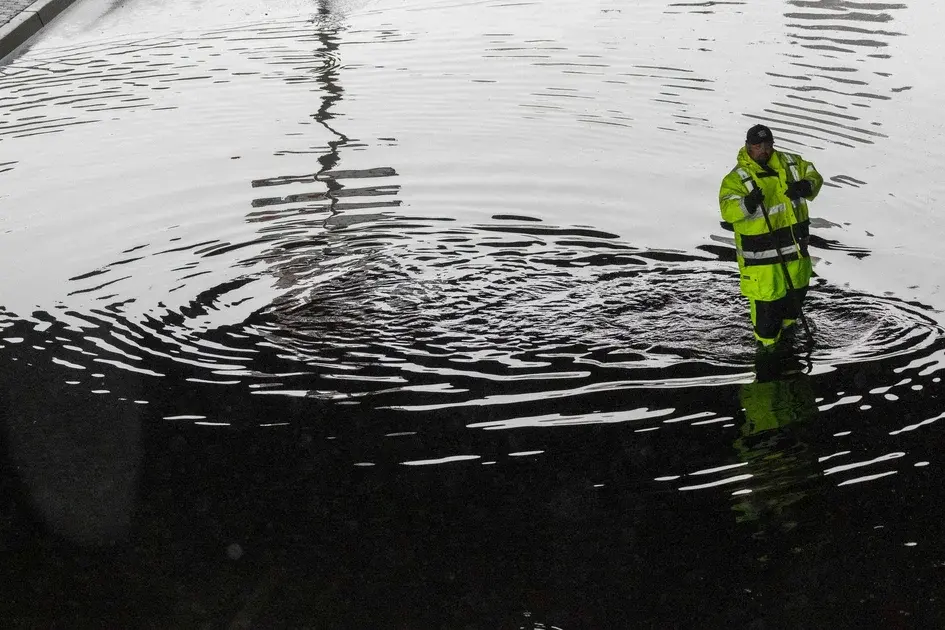
San Francisco experienced record-breaking rainfall on November 18, 2026, driven by a strong El Niño and atmospheric river. The event overwhelmed the city’s combined sewer and stormwater system, causing severe flooding in the Mission District and damaging businesses. Forecasters warn that a second, stronger storm system combined with the year’s highest king tides is expected to hit just before Thanksgiving, potentially worsening conditions. Climate scientists attribute the intensity to warmer Pacific waters and rising sea levels, while city officials acknowledge infrastructure limitations and pledge improved emergency response.
Key points
- San Francisco set a new daily rainfall record of 2.64 inches on November 18, surpassing the 1918 record of 2.24 inches, according to NBC News.
- The city’s 19th-century combined sewer and stormwater system failed to handle the volume, causing raw sewage to mix with floodwaters in low-lying areas like the Mission District, as noted by The San Francisco Standard.
- Businesses in the Mission District, including Pink Onion and Bageletto, reported significant damage, with one owner estimating $12,000 in appliance replacement costs, according to Mission Local.
- Mayor Daniel Lurie admitted the city’s response was insufficient and pledged to clear storm drains and debris ahead of the next storm, which is expected to coincide with king tides, per Mission Local.
- A stronger atmospheric river is forecast to arrive just before Thanksgiving, potentially causing worse flooding due to saturated ground and high tides, according to The San Francisco Standard and ABC7 Bay Area.
- NOAA data indicates the current El Niño is the second-largest on record for August through October, intensifying Pacific storms and contributing to global temperature rises, per NBC News.
Background
This event follows a pattern of increasing flood frequency in San Francisco. In 2023, the Mission District experienced a major flood, and in 2022, businesses like Rintaro suffered severe damage, prompting owners to invest in private flood mitigation measures. The city’s Folsom Area Stormwater Improvement Project, intended to upgrade infrastructure, is not expected to be completed until 2030, leaving areas vulnerable. Previous archive coverage highlights the ongoing strain on the city’s aging sewer system and the recurring nature of such events in the current decade.
How outlets are covering it
The San Francisco Standard emphasizes the structural inadequacy of the combined sewer system and the long-term impact of climate change, including rising sea levels and groundwater contamination. NBC News focuses on the broader El Niño phenomenon, linking the California floods to simultaneous record-breaking rainfall in Florida, highlighting the global nature of the climate pattern. Mission Local centers on the human and economic impact, detailing business losses and the frustration of residents who feel the city is not doing enough to support them or upgrade infrastructure. ABC7 Bay Area provides real-time weather updates, noting the severity of the storm and the potential for further impacts, including waterspouts and high surf, but does not delve into the structural or climate analysis as deeply as the other outlets. All sources agree on the severity of the event and the likelihood of further flooding, but they differ in their emphasis on the causes and the immediate response.
Why it matters
The flooding highlights the vulnerability of San Francisco’s aging infrastructure to increasingly intense weather events driven by climate change. The combined sewer and stormwater system, a legacy of 19th-century design, is unable to handle modern rainfall volumes, leading to public health risks and economic losses for businesses. The upcoming storm, coinciding with king tides, poses a significant threat to the city’s resilience and may force a reevaluation of infrastructure investments and emergency preparedness. The event also underscores the broader impact of El Niño, which is intensifying storms globally and contributing to rising sea levels, a long-term challenge for coastal cities.
What to watch
A stronger atmospheric river is expected to hit the Bay Area just before Thanksgiving, potentially causing worse flooding due to saturated ground and high tides. The city has pledged to clear storm drains and debris and is working with the Board of Supervisors to determine compensation for affected businesses. The Folsom Area Stormwater Improvement Project is expected to be completed by 2030, but the area will remain at risk during heavy rains. NOAA expects the El Niño trend to persist through May 2027, potentially leading to further extreme weather events.
- Inside San Francisco’s great flood, and why next week may be even worse The San Francisco Standard
- Live storm updates: Bay Area cleans up after severe flooding with more storms, king tides coming ABC7 Bay Area
- Why San Francisco's water system couldn't handle a record-breaking storm SFGATE
- El Niño strikes again, breaking rain records in San Francisco and along Florida’s Atlantic coast NBC News
- ‘It’s just a disheveled craziness’: Mission restaurants get a taste of Super El Niño Mission Local
Want the full story? Read the original reporting
Read on The San Francisco Standard