
Nevada sues federal government over unequal Colorado River water cuts
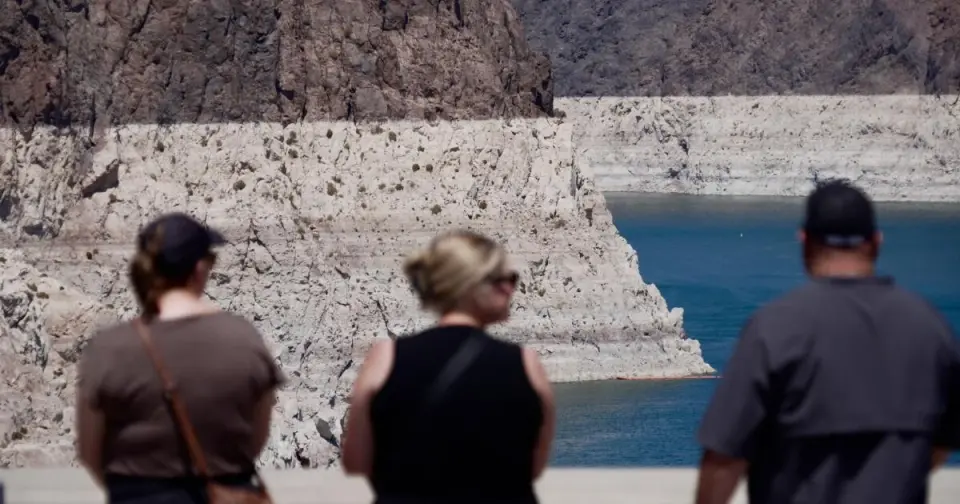
Nevada has filed the first lawsuit challenging the Trump administration’s new Colorado River operating plan, which mandates 20% water cuts for downstream states while sparing upstream regions. The state argues the plan violates environmental laws and would devastate Las Vegas, which relies on 90% of its water from the river. As reservoirs hit record lows, Arizona and California are evaluating similar legal challenges, signaling a potential multi-year court battle over water allocation.
Key points
- Nevada sued the Department of the Interior and Bureau of Reclamation, alleging the plan violates the National Environmental Policy Act and the 'Law of the River.'
- The federal plan requires Nevada, Arizona, and California to cut water use by approximately 20% over two years, with potential for deeper reductions later.
- Nevada’s annual allocation could drop from 300,000 acre-feet to as low as 86,500 acre-feet, a reduction exceeding 70% for southern Nevada.
- Upstream states (Colorado, Utah, New Mexico, Wyoming) face no mandatory cuts under the current federal framework.
- Arizona is considering legal action and a legislative vote, while California is reviewing the lawsuit but has not yet signaled intent to sue.
Background
The Colorado River has faced a 26-year drought exacerbated by climate change, with Lake Mead and Lake Powell at historic lows. Previous negotiations among the seven basin states failed to reach a consensus, leading the federal government to impose unilateral cuts. The 1922 Colorado River Compact allocated more water than the river’s natural flow, a deficit worsened by recent low snowpack in the Rocky Mountains.
How outlets are covering it
The Los Angeles Times and The Guardian emphasize the inequity of the plan, highlighting that downstream states bear the burden while upstream states avoid cuts. Inside Climate News notes that Nevada filed the suit independently, though Arizona and California are reviewing the complaint. KJZZ focuses on Arizona’s unique legislative process, where a 1980 statute may require lawmakers to approve the federal plan, though experts doubt this will block the federal mandate. Wyoming’s state engineer opposes any federal attempt to impose cuts on upstream states, arguing they already face hydrology-driven reductions.
Why it matters
The lawsuit could delay or alter critical water management decisions, potentially leading to a Supreme Court case. If the plan is blocked, states may face uncertainty in water supply during a period of severe drought, impacting 35 million people, 30 Native tribes, and 5 million acres of farmland. The outcome will define the balance of power between federal authority and state water rights in the western United States.
What to watch
The case is expected to take years, potentially reaching the U.S. Supreme Court. Arizona may hold a special legislative session to vote on the plan, while California and Arizona continue to evaluate joining Nevada’s lawsuit. Federal officials must continue operating the river’s infrastructure regardless of litigation, but the legal battle may force a return to negotiations among the seven states.
- Nevada sues Trump administration over its Colorado River plan Los Angeles Times
- America’s Desert Metropolis Is on the Short List to Lose Water The New York Times
- Fearing ‘Catastrophic Impacts’ From Water Cuts, Nevada Sues Feds Over Colorado River Plan Inside Climate News
- A new Colorado River plan is heading for Arizona lawmakers. Do they have the power to change it? KJZZ
- Nevada files lawsuit challenging federal plan for Colorado River revival The Guardian
Want the full story? Read the original reporting
Read on Los Angeles Times