
Trump Plan Would Leave Decommissioned Oil Rigs on California Seafloor
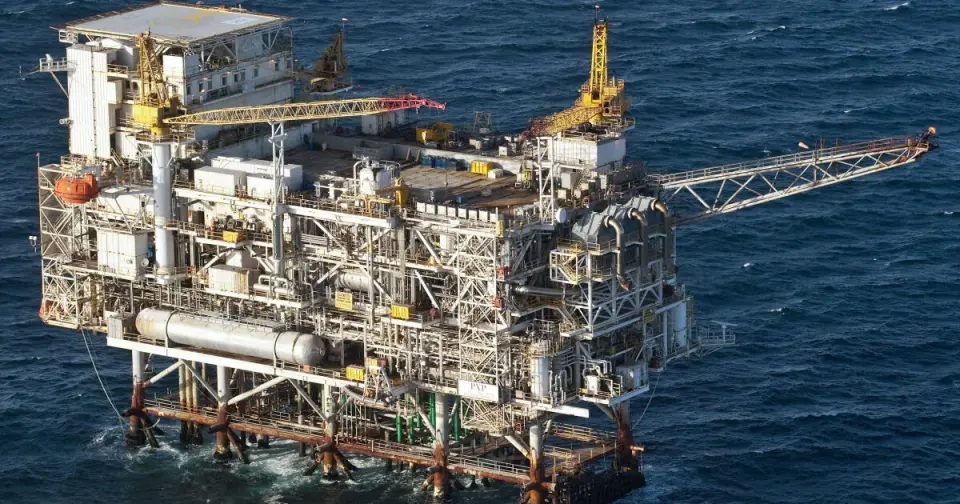
A September executive order directs the Department of the Interior to create a federal 'reef-in-place' program for decommissioned offshore oil platforms. A 2027 rulemaking aims to make 'toppling in place' the default method, potentially affecting 23 federal-water platforms off California. Critics argue this saves oil companies hundreds of millions in removal costs and incentivizes new drilling, while some scientists note it may preserve marine habitats, though Pacific-specific impacts remain unknown.
Key points
- President Trump’s September executive order, focused on recreational fishing, directs the newly formed Marine Minerals Administration to establish a federal 'reef-in-place' program for decommissioned offshore oil and gas platforms.
- The Department of the Interior plans a 2027 rulemaking to make 'toppling in place' the default decommissioning method, which involves knocking platforms over onto the seafloor rather than fully removing them.
- There are currently 23 platforms in federal waters off California’s coast, with eight in various stages of decommissioning; full removal of large platforms can cost over $200 million, a cost the new policy would avoid.
- Critics, including coastal advocacy groups, label the plan a 'windfall' for fossil fuel companies that avoids environmental liability and encourages new leasing in the Pacific, which the White House is seeking to reopen for drilling for the first time in over 40 years.
- Some scientists, such as Milton Love of UC Santa Barbara, suggest that leaving structures in place may benefit marine life like rockfish and mussels, but note that Pacific conditions differ significantly from the Gulf of Mexico, where such practices are common, making outcomes uncertain.
- The policy excludes offshore wind platforms, reflecting the administration’s opposition to wind energy, and may face legal challenges from coastal counties and the state of California, which has its own limited reefing program that does not allow toppling.
Background
This proposal follows the Trump administration’s broader push to expand oil leasing in the Pacific, Alaska, and the Gulf of Mexico, while simultaneously halting offshore wind development, which has already caused economic disruptions in New England port cities. California established its own rigs-to-reef program in 2010 under Governor Arnold Schwarzenegger, but no platform has been reefed under it yet, and the state is currently weighing full removal for the Platform Holly in state waters. The federal move also coincides with efforts to strip California of its authority under the Coastal Zone Management Act, which allows the state to object to federal projects that conflict with state policy.
Why it matters
The shift to toppling decommissioned rigs could permanently alter marine habitats and reduce cleanup costs for oil companies, potentially incentivizing new drilling in sensitive Pacific waters. It also highlights a growing conflict between federal energy expansion policies and state environmental protections, with significant implications for coastal management, marine biodiversity, and the economic viability of offshore energy infrastructure.
What to watch
The Department of the Interior is expected to finalize a rulemaking in 2027 that would make toppling the default decommissioning method. The State Lands Commission is set to release a draft environmental impact report early next year regarding the decommissioning of Platform Holly in state waters, which may serve as a test case for California’s stance. Legal challenges from coastal groups and potentially the state of California are anticipated, though these may be delayed by ongoing disputes over California’s coastal authority under the Coastal Zone Management Act.
Want the full story? Read the original reporting
Read on Los Angeles Times