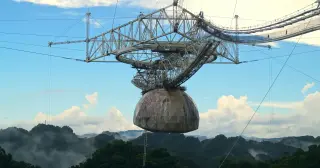
The 2020 collapse of the Arecibo Observatory’s 1,000-foot dish after main cables failed marked the end of 57 years of discoveries; the NSF elected not to rebuild and redirected the site to a STEM education center (Arecibo C3), preserving the heritage while repurposing the valley for education.
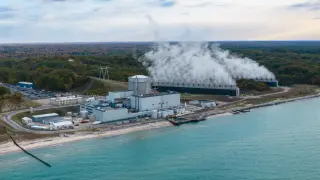
Holtec’s Palisades nuclear plant on Lake Michigan is moving toward a restart after being fully defueled in 2022. As of Aug. 31, 2026, eight of the 204 fuel assemblies have been loaded back into the reactor vessel, with 196 still in the spent-fuel pool; some loaded now are the same assemblies removed at shutdown. The process uses a new fuel-handling machine and underwater loading, with the rest of the core awaiting placement. The restart is being funded by federal loan guarantees (up to $1.52 billion) and state money, but faces regulatory scrutiny, legal challenges, and a contractual deadline of March 2027 to supply power under two regional deals. If successful, it could redefine what “closed” means for U.S. nuclear infrastructure amid ongoing maintenance and safety work, including prior repairs to steam-generator tubes under NRC oversight.
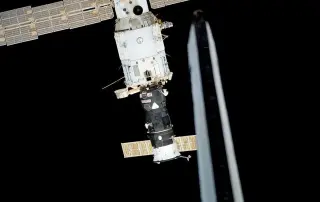
After years of corrosion-driven leaks in the PrK transfer tunnel of the ISS’s Russian Zvezda module, NASA and Roscosmos released a tense standoff when NASA had crews briefly shelter in SpaceX’s Dragon; Roscosmos has now agreed to decommission the PrK, allowing Progress docking for other functions while removing pressurization risk and preserving long-term station operations.
Researchers studying water beneath Fukushima’s reactors found bacteria thriving in radioactive conditions not thanks to classic radiation resistance but likely because protective biofilms form on metal surfaces; some microbes can cause metal corrosion, complicating cleanup efforts, and scientists speculate marine bacteria may have ridden in with the 2011 tsunami, revealing unexpected life in extreme environments.
The USS Nimitz, the U.S. Navy's oldest aircraft carrier, is returning to Bremerton for decommissioning after a 50-year service, including numerous deployments and combat roles worldwide, marking the end of an era for the iconic ship.
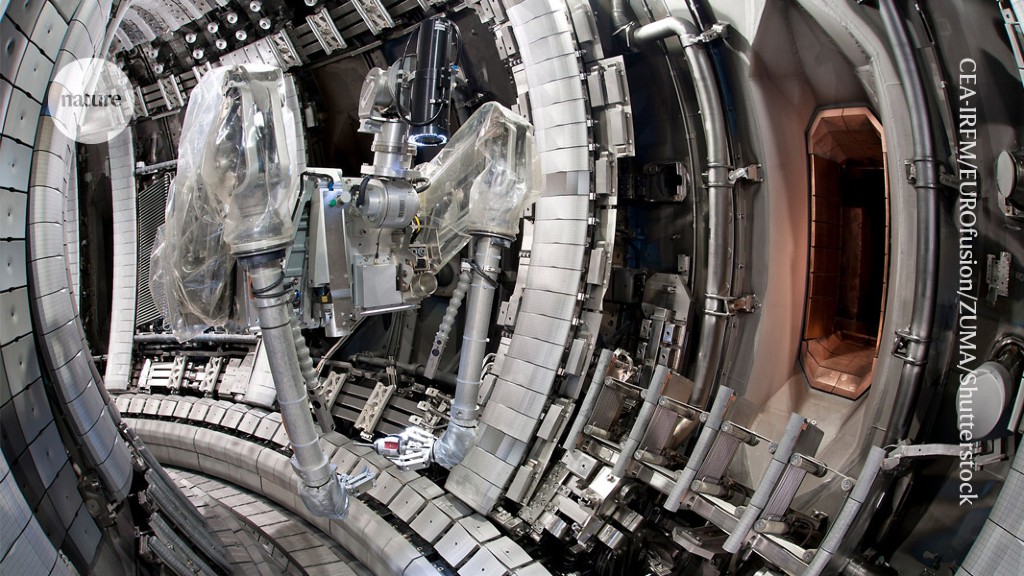
The UKAEA is decommissioning the world's longest-running fusion reactor, the JET tokamak, which has provided valuable insights into fusion energy, a promising clean power source that mimics the sun's process. The project achieved a record energy output and contributed to understanding reactor longevity, with future developments including a new reactor in England. Fusion energy offers a powerful, waste-free alternative to nuclear fission, potentially transforming the energy landscape alongside solar and wind power.
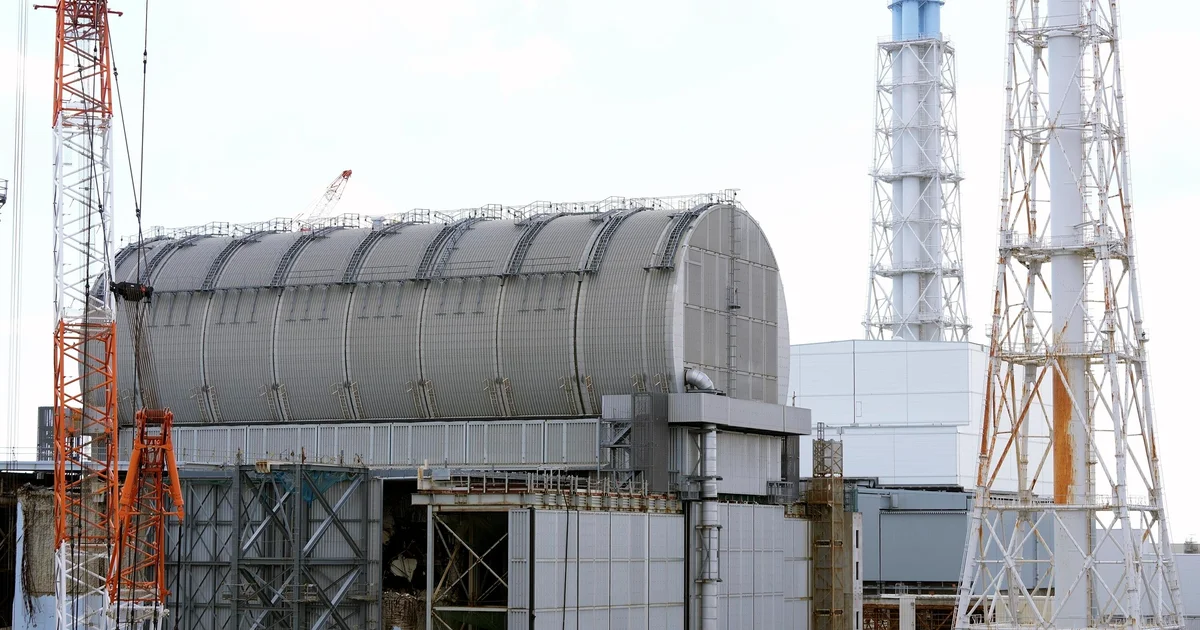
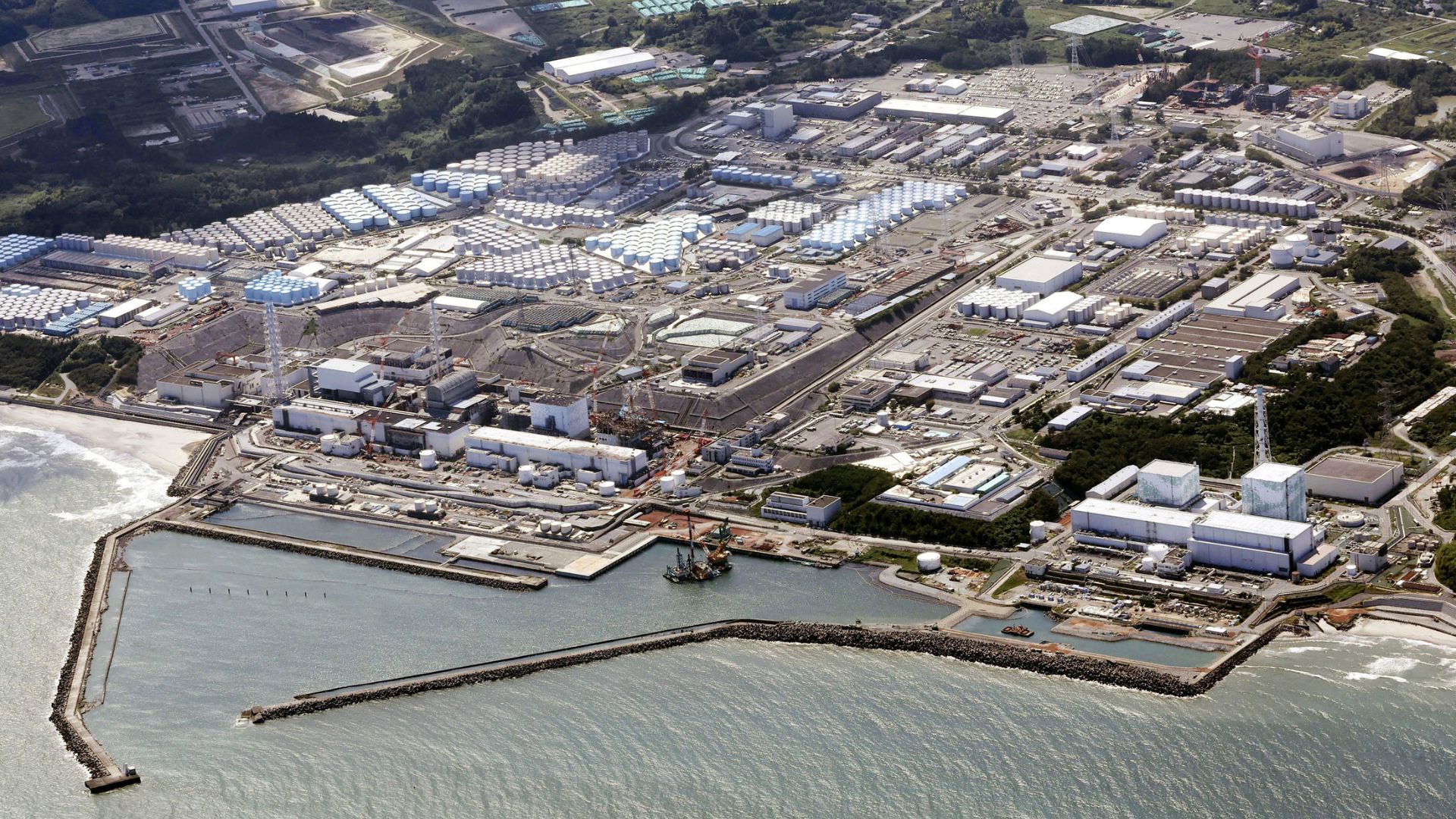
The full-scale removal of melted nuclear fuel debris at Fukushima Daiichi is delayed until at least 2037 due to extensive preparation needs, pushing back Japan's decommissioning timeline originally set for 2051, with experts estimating the process could take over a century.
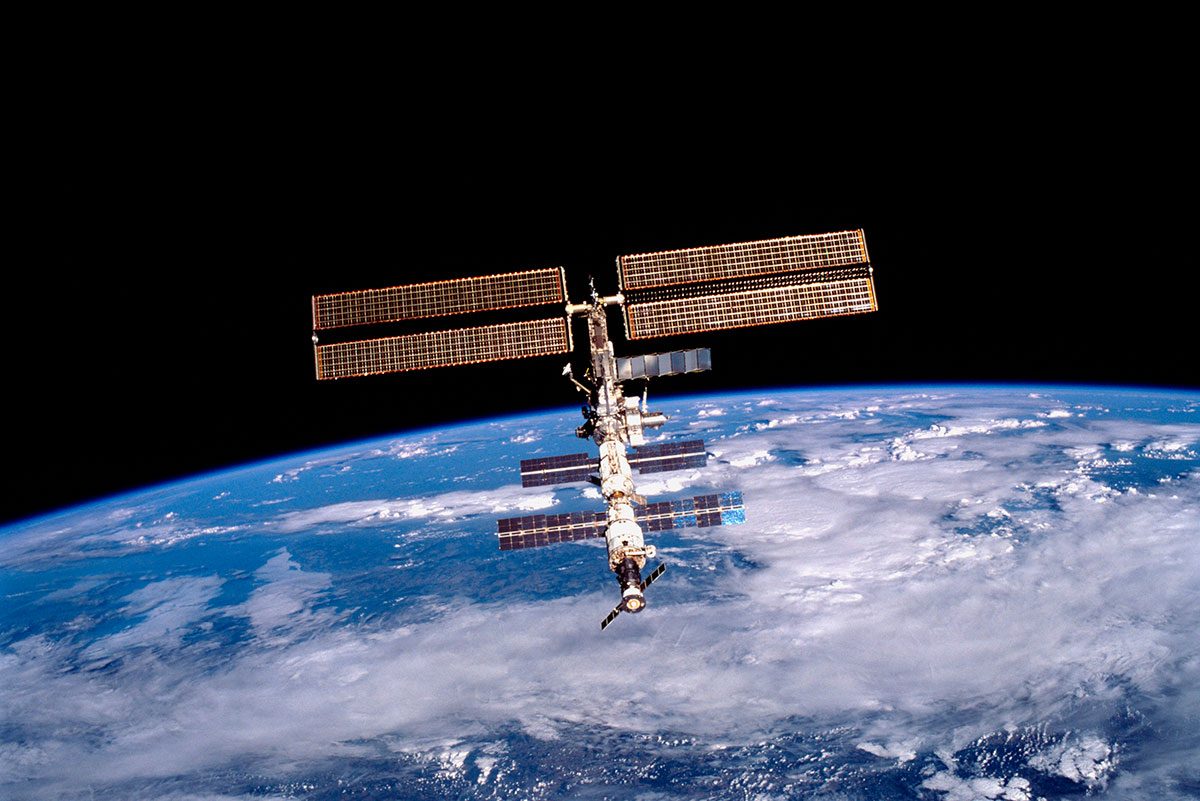
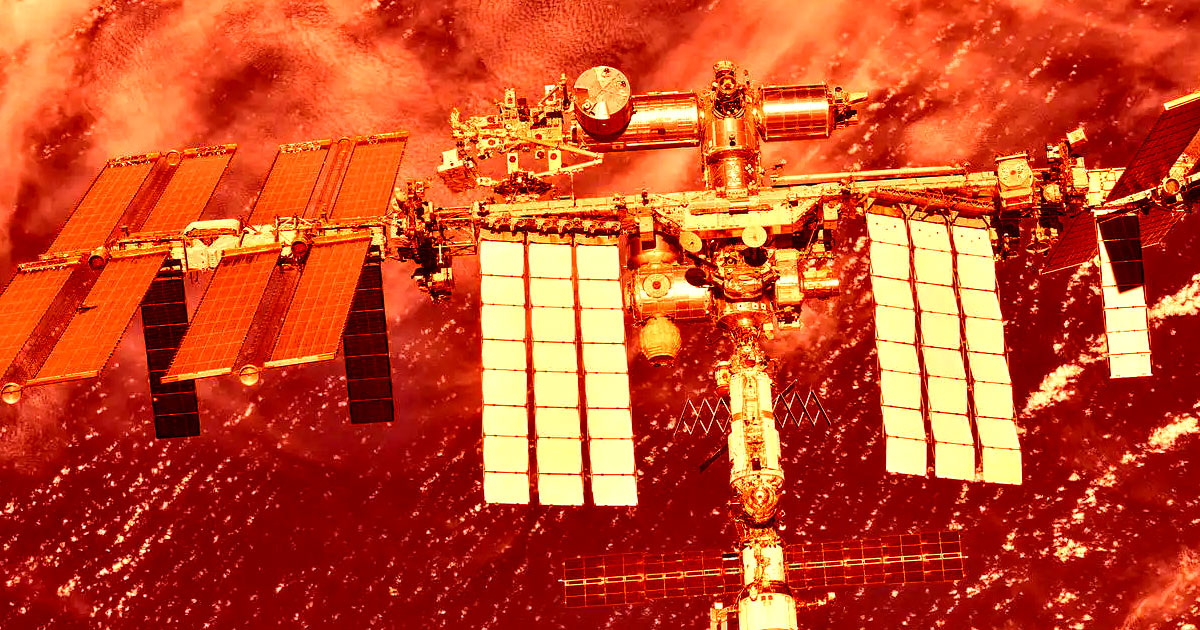
NASA has awarded SpaceX a $1 billion contract to safely decommission the International Space Station (ISS) by 2031. The plan involves using a SpaceX tug to guide the ISS into a controlled descent, targeting a remote area of the Pacific Ocean known as Point Nemo, to avoid creating space debris and potential collisions. This operation is crucial to prevent the Kessler Syndrome, where space debris could render low Earth orbit unusable. The ISS's decommissioning marks a shift towards commercial space stations and new international projects in space exploration.
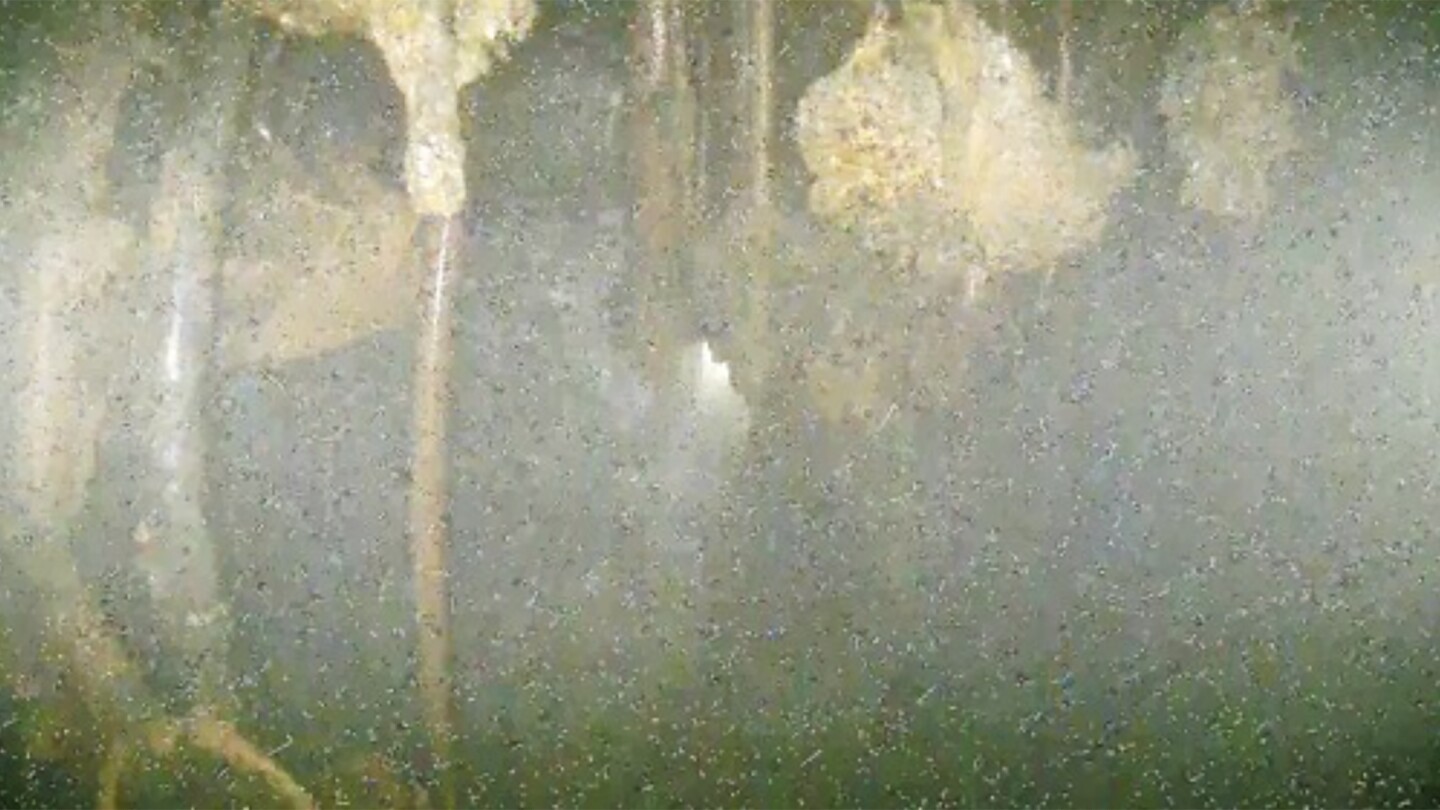
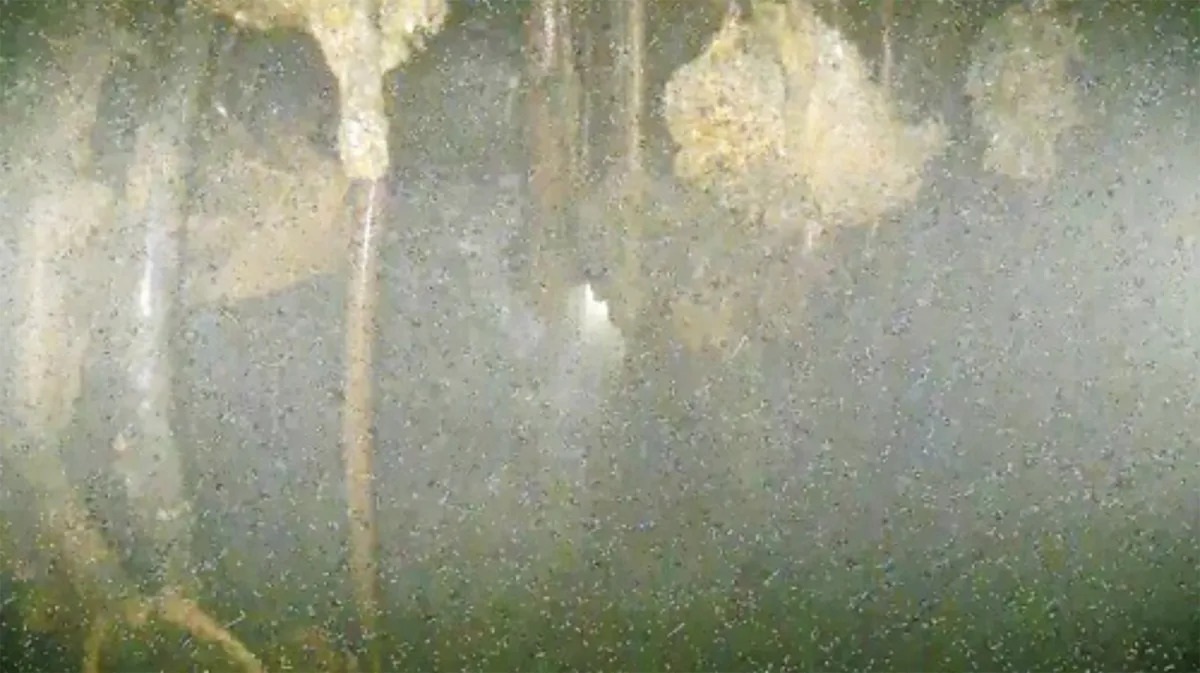
Images taken by miniature drones from inside the damaged Fukushima reactor show displaced control equipment and misshapen materials, leaving many questions unanswered about the location and condition of the highly radioactive melted nuclear fuel. The drones' high-definition color images revealed brown objects of various shapes and sizes dangling from the pedestal, but officials were unable to determine whether they were melted fuel or equipment without additional data. The daunting task of decommissioning the plant, which has been delayed for years by technical hurdles and lack of data, remains a significant challenge.
Images taken by miniature drones inside the damaged Fukushima reactor show displaced control equipment and misshapen materials, leaving many questions unanswered about the location and condition of the highly radioactive melted nuclear fuel. The 12 photos released by the plant’s operator, TEPCO, reveal brown objects of various shapes and sizes dangling from the pedestal, but it remains unclear whether they are melted fuel or equipment. The lack of information highlights the difficulty of the decommissioning process, which has already been delayed for years by technical hurdles and the lack of data.
Miniature drones captured the first images from inside the main structural support of the Fukushima No. 1 reactor, revealing displaced control equipment and misshapen materials. The photos, released by the plant's operator, highlight the challenges of decommissioning the plant and the difficulty in assessing the condition of the melted nuclear fuel. The 880 tons of highly radioactive melted nuclear fuel inside the damaged reactors present a daunting task for Tokyo Electric Power Company Holdings (TEPCO), which is attempting to gather more information to facilitate its removal. However, the lack of data and the unknown interior of the reactors suggest that the cleanup process may be overly optimistic and face significant delays.
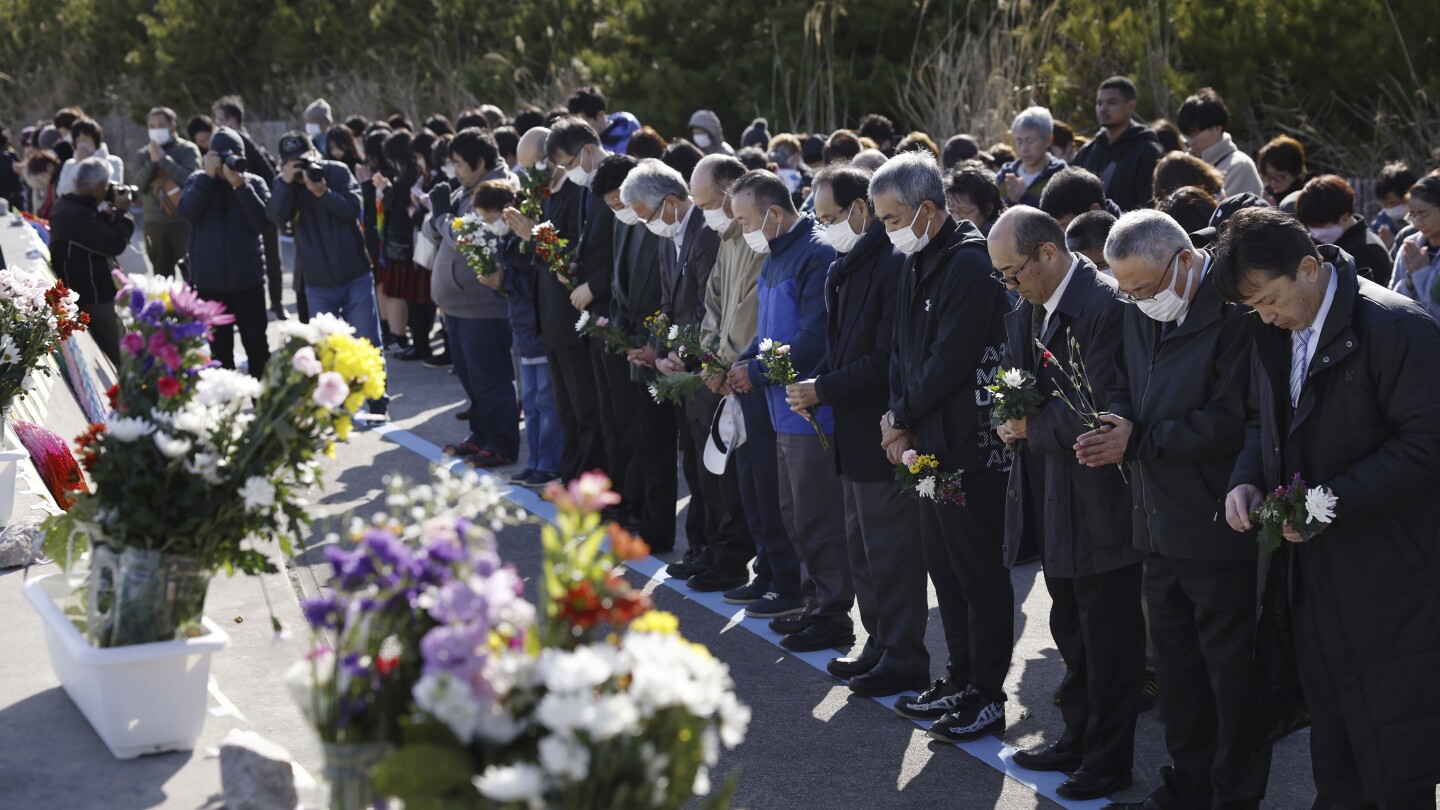
Japan marks 13 years since the devastating earthquake and tsunami that led to the Fukushima Daiichi nuclear disaster, with ongoing concerns about radiation, evacuation plans, and the slow progress in removing melted nuclear fuel from the damaged reactors. Efforts to discharge treated radioactive water into the sea have faced protests, while the fishing industry has shown signs of recovery. The government aims for a completed decommissioning by 2051, but challenges remain in understanding the condition of the melted fuel and developing a comprehensive plan for the plant and surrounding areas.
Scientists are decommissioning the Joint European Torus (JET) nuclear-fusion reactor near Oxford, UK, to study the process in detail and ensure safety and viability for future fusion power plants. The facility's dismantling will provide crucial knowledge for the construction of the ITER fusion reactor in France and the design of the Spherical Tokamak for Energy Production (STEP) in Britain. The process involves removing radioactive tritium from materials and recycling components, with the aim of minimizing overall waste and reusing resources.
NASA estimates that it will cost nearly $1 billion to safely decommission the International Space Station (ISS) and ensure it harmlessly burns up in the Earth's atmosphere. The plan marks the end of decades of international cooperation and scientific breakthroughs in space. There are two options to get the ISS out of orbit: an uncontrolled descent or a more careful descent using a special spacecraft. Either way, minimizing the amount of debris that could fall on populated areas is a challenge, and NASA will need to develop a custom-built vehicle to accompany the station during its descent. The reliance on Russian vehicles adds complexity to the decommissioning process, given the worsening US-Russia relations.
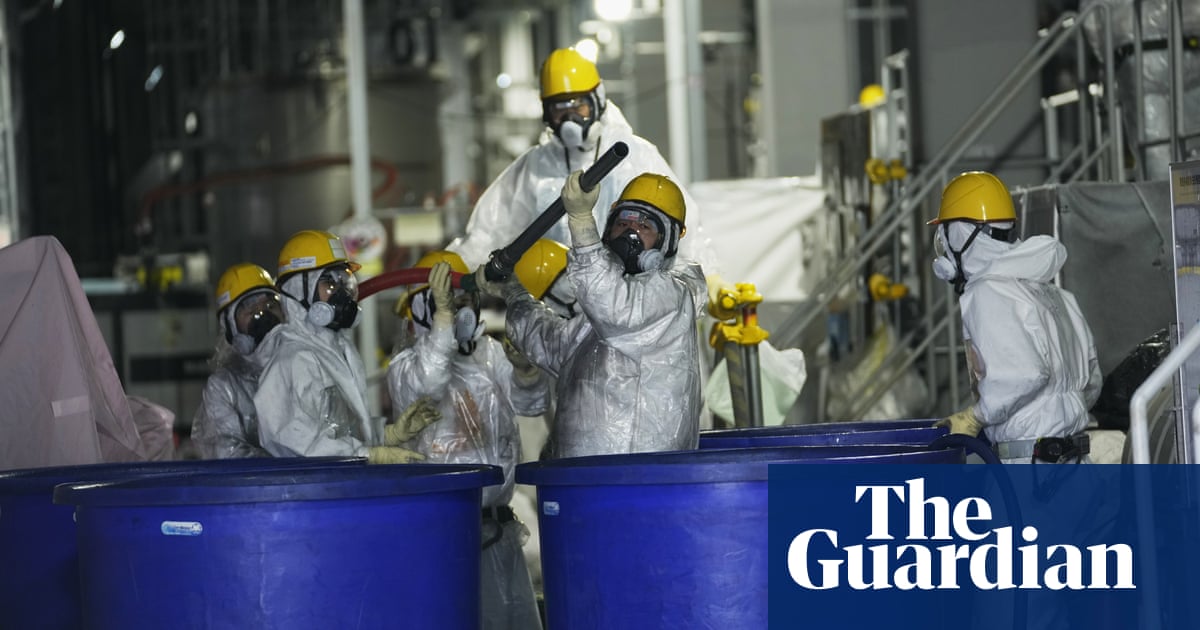
Four workers at the Fukushima nuclear plant were splashed with water containing radioactive materials, with two of them taken to the hospital as a precaution. The incident highlights the ongoing dangers Japan faces in decommissioning the plant, which was severely damaged by a tsunami in 2011. The workers were cleaning pipes when a hose came off accidentally, resulting in the contamination. The radiation levels in the hospitalized workers were at or above the safe threshold. The incident occurred shortly after the plant operator, Tepco, completed releasing a second batch of wastewater into the sea, drawing criticism from China and local fishing communities. The water is treated to remove most radioactive substances but contains tritium, an isotope of hydrogen that cannot be easily separated from water.