
Record-Breaking Pacific Storms Bring Unprecedented Flooding and Damage to California
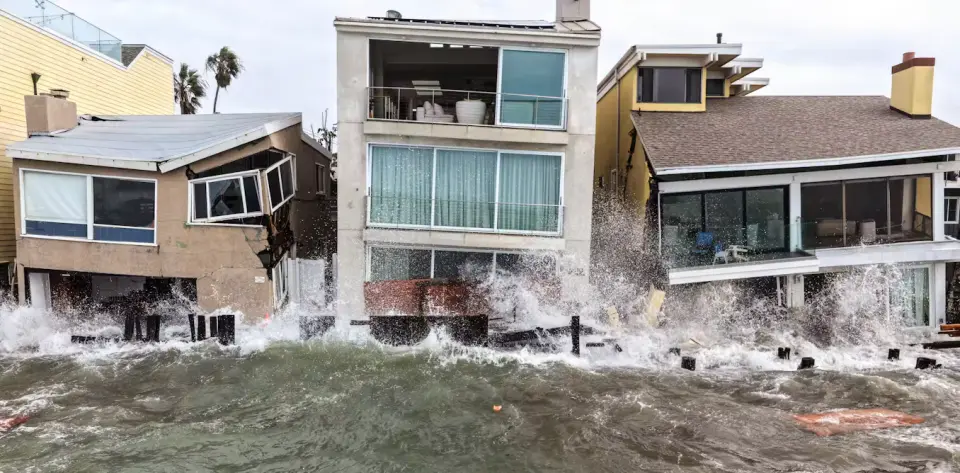
California is enduring an exceptionally active and destructive 2026 Pacific hurricane season, marked by the second-ever tropical storm watch for Southern California. Tropical Storm Rachel, which weakened to an extratropical cyclone before hitting Baja California, caused significant coastal damage, high tides, and heavy rainfall across the region from October 9 to 11. The storm dumped over 6 inches of rain in parts of Southern California, with San Diego receiving double its typical October precipitation, leading to flash flooding in normally arid areas. This event follows a season where three hurricanes impacted Hawaii and Hurricane Marie damaged oceanfront homes near Los Angeles in September. Experts attribute the increased risk to El Niño, which warms sea surface temperatures in the eastern Pacific, allowing storms to survive closer to the California coast. While direct landfalls are rare, the 2026 season highlights the growing threat of extreme weather in the Southwest due to changing climate patterns.
Key points
- Tropical Storm Rachel triggered the second-ever tropical storm watch for Southern California, causing coastal flooding and high tides from October 9-11, 2026.
- Rachel weakened to an extratropical cyclone before landfall in Baja California but still damaged coastal homes in Long Beach and Newport Beach, and flooded streets in San Diego.
- The storm brought over 6 inches of rain to parts of Southern California, with San Diego International Airport receiving over 1 inch in a weekend, double the typical October average.
- The 2026 season has been unusually active, with three hurricanes affecting Hawaii and Hurricane Marie damaging oceanfront properties near Los Angeles in September.
- El Niño is a key factor, as warmer sea surface temperatures in the eastern Pacific allow storms to maintain strength closer to the California coast, increasing the risk of direct impacts.
- Historically, direct tropical storm landfalls in California are rare, with the last known one occurring in 1939 in Long Beach, but the 2026 season challenges conventional expectations of regional weather patterns.
Background
The 2026 Pacific hurricane season has been characterized by extreme activity, driven by a powerful El Niño event and a severe drought in Ethiopia, which disrupted tropical wave formation. Earlier in the season, Hurricane Nolo intensified to Category 5 near Hawaii, while Hurricane Polo threatened Baja California. Forecasts predicted up to 22 named storms and 9-13 hurricanes, with tropical moisture from Hurricane Marie already raising heavy rain and flash-flood risks in the southwestern U.S., including California, in early September. Additionally, Southern California experienced an unusually long October heat wave in early October, driven by persistent high pressure, which raised concerns about wildfire risks and public health. The current impact of Tropical Storm Rachel marks a significant escalation in the season's destructive potential for the region.
Why it matters
The 2026 Pacific hurricane season underscores the increasing vulnerability of California to extreme weather events, challenging the traditional perception of the state as a region largely insulated from tropical storms. The unprecedented activity, driven by El Niño and warmer sea surface temperatures, highlights the need for improved forecasting and preparedness in the Southwest. The significant damage and flooding caused by Tropical Storm Rachel, along with earlier impacts from Hurricane Marie, demonstrate that even storms that do not make direct landfall can have severe consequences. This trend suggests that future seasons may bring more frequent and intense weather events, requiring communities and policymakers to adapt infrastructure and emergency response strategies to mitigate risks associated with coastal flooding and heavy rainfall in normally arid areas.
What to watch
Forecasters will continue to monitor the remnants of Tropical Storm Rachel and any potential new systems in the eastern Pacific, as the 2026 season remains active. The National Hurricane Center will assess the impact of El Niño on future storm tracks and sea surface temperatures, which could influence the likelihood of additional storms approaching the California coast. Communities in Southern California and the desert Southwest will remain vigilant for flash flooding and coastal damage, particularly in areas that have already experienced significant rainfall and wave action. Authorities may also review emergency response protocols and infrastructure resilience in light of the unprecedented impacts of the 2026 season, aiming to better prepare for future extreme weather events.
Want the full story? Read the original reporting
Read on The Conversation