
Colorado River crisis nears Supreme Court as 'tripwire' looms
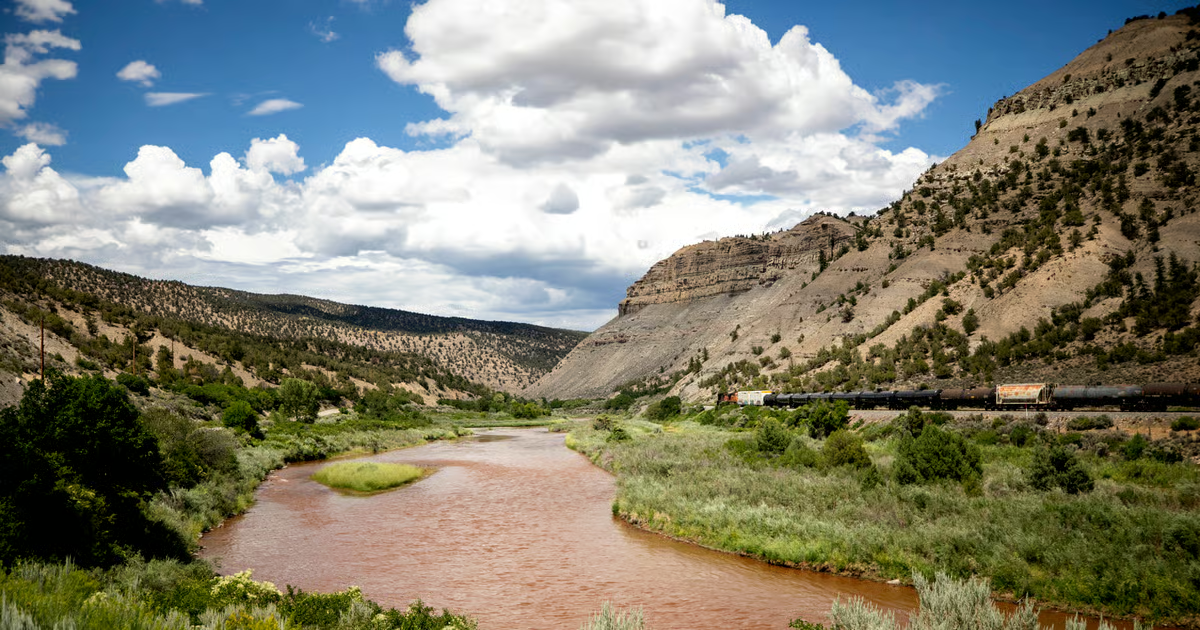
The Colorado River is nearing a critical flow threshold that could trigger Supreme Court litigation over the 1922 Compact. Experts warn that legal battles would replace negotiations, potentially forcing severe water cuts for Upper Basin states like Colorado, while Lower Basin cities like Glendale, Arizona, rely on decades of infrastructure planning to mitigate federal reductions.
Key points
- By October, the river's flow at Lee's Ferry may drop below 82.5 million acre-feet, a 'tripwire' that could prompt Arizona to sue the Upper Basin states in the Supreme Court.
- The 1922 Compact allocates 7.5 million acre-feet annually to each basin, but the Upper Basin must also cover roughly half of Mexico's share, totaling 81.5 to 82.5 million acre-feet over a decade.
- Supreme Court cases historically take decades to resolve, potentially locking up water allocations and preventing cooperative negotiations among the seven basin states.
- Arizona faces the largest federal water cuts, with Glendale, Arizona, relying on 209,000 acre-feet of underground storage and over $100 million in new infrastructure to maintain supply.
- Colorado is preparing for potential 'mandatory curtailment,' which could cut water for Denver, ski resorts, and Western Slope farms, with the state's attorney general and negotiators refusing to accept unfavorable deals.
Background
The Colorado River Basin has faced a historic drought since 2000, with river flow declining by 20% and reservoirs like Lake Mead and Lake Powell at their lowest levels since the 1950s. In August 2026, the federal government issued a two-year plan to release water from these reservoirs, imposing massive cuts on Arizona, Nevada, and California. Nevada has already sued the Bureau of Reclamation over the plan, while Arizona's legislature debated the federal framework. The 1922 Compact, the river's foundational agreement, has been supplemented by over a dozen laws and settlements over the past 50 years, but it remains incomplete, particularly regarding tribal water rights and Mexico's share.
How outlets are covering it
Colorado Public Radio emphasizes the risk of Supreme Court litigation, with experts like Michael L. Connor and Anne Castle warning that legal battles would 'lock up' negotiations and potentially force severe cuts for Upper Basin states. They highlight Colorado's preparation for 'mandatory curtailment' and the state's refusal to accept unfavorable deals. ABC15 Arizona focuses on Glendale's proactive planning, including 209,000 acre-feet of underground storage and over $100 million in new infrastructure, to mitigate the impact of federal cuts. The University of Arizona's Water Resources Research Center stresses the need for individual water conservation and notes that Tucson's water usage has not grown despite population increases, highlighting the importance of long-term stewardship. The sources differ in their focus: CPR News on legal and political risks, ABC15 on local infrastructure, and the University of Arizona on community-level conservation.
Why it matters
The potential Supreme Court case could have long-term consequences for water allocation across the seven basin states, affecting millions of people, farmers, and tribes. If the court rules against the Upper Basin, it could force mandatory curtailment, cutting water for cities, ski resorts, and farms in Colorado. Conversely, if the court rules in favor of the Upper Basin, it could exacerbate water shortages in Lower Basin states like Arizona and Nevada. The case also highlights the need for cooperative negotiations and long-term planning to address the river's declining flow and the impacts of climate change.
What to watch
By October, the river's flow at Lee's Ferry may drop below the 'tripwire' threshold, potentially triggering a Supreme Court lawsuit by Arizona. The Bureau of Reclamation's two-year plan will be implemented, with Arizona facing the largest cuts. Glendale and other Arizona cities will continue to rely on underground storage and new infrastructure to maintain supply. Colorado will prepare for potential 'mandatory curtailment,' with the state's attorney general and negotiators refusing to accept unfavorable deals. The University of Arizona's Water Resources Research Center will continue to provide water conservation tips and fact sheets to the community.
- If Colorado River compact heads to Supreme Court, ‘everybody loses,’ experts say Colorado Public Radio
- Glendale has been preparing for Arizona's biggest water crisis in decades. Here's what that means for you ABC15 Arizona
- Wyoming irrigation, Colorado reservoir go to court amid '$819 million bathtub' warning Yahoo
- Water wisdom following the new Colorado River framework news.arizona.edu
- TROUBLED WATERS: Scarcity and the Colorado River battle KJZZ
Want the full story? Read the original reporting
Read on Colorado Public Radio