
Maryland Schools Serve Invasive Blue Catfish to Combat Chesapeake Bay Predators
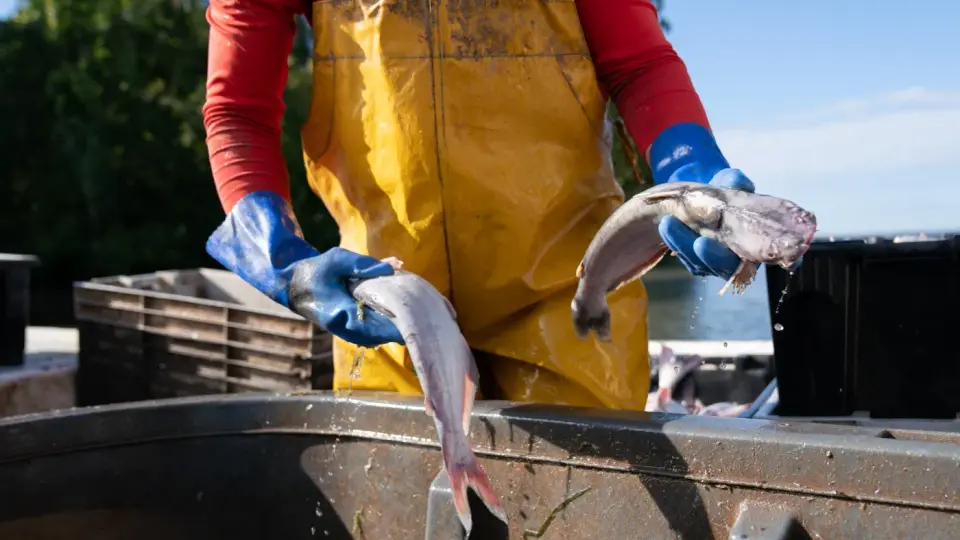
Invasive blue catfish are decimating native seafood populations in the Chesapeake Bay. To manage the population, Maryland schools are serving the fish as a lunch item, creating a new market for a species that threatens local crab and fish industries.
Key points
- Beth Brewster, a food service supervisor for Caroline County Public Schools, developed a 'catty patty' catfish cake for school lunches after being asked by state officials eight years ago to find a culinary use for the invasive species.
- Blue catfish, native to the Midwest, were introduced to Virginia rivers in the 1970s for recreational fishing but spread to the Chesapeake Bay after surviving brackish water conditions, particularly following record rainfall in 2018.
- The fish now constitute up to 70% of the fish biomass in some areas, preying on native species like blue crabs and menhaden, which are vital to the local economy and culture.
- Waterman Rocky Rice has shifted his primary income source from crabbing to catching blue catfish, hauling approximately 1,200 to 1,500 pounds per outing without seasonal or size limits.
- Processing remains a bottleneck as catfish is the only U.S. fish requiring USDA inspection, limiting Maryland to just four processors, though the fish is now sold in grocery stores, restaurants, and schools across the country.
Background
The Chesapeake Bay has faced ongoing ecological challenges, including recent weather events like the remnants of Hurricane Isaias in October 2026, which brought rain and gale warnings to the Mid-Atlantic coast. While the storm brought temporary disruptions, the long-term threat of invasive species like the blue catfish continues to strain the bay's ecosystem and local seafood industries.
Why it matters
The initiative demonstrates a practical approach to managing invasive species by turning an ecological threat into a sustainable food source. By integrating blue catfish into school menus and commercial markets, the program helps control the population while supporting local economies and providing affordable protein, addressing both environmental and nutritional needs.
What to watch
More school districts in Maryland and Virginia are expected to adopt blue catfish in their menus, and efforts to expand processing capacity and market reach will continue to address the bottleneck in handling the fish. The goal is to harvest millions of pounds annually to maintain population control, as eradication is deemed impossible.
Want the full story? Read the original reporting
Read on NPR