
Alaska's Eagle Beach: A Window into the Salmon-Centered Wilderness
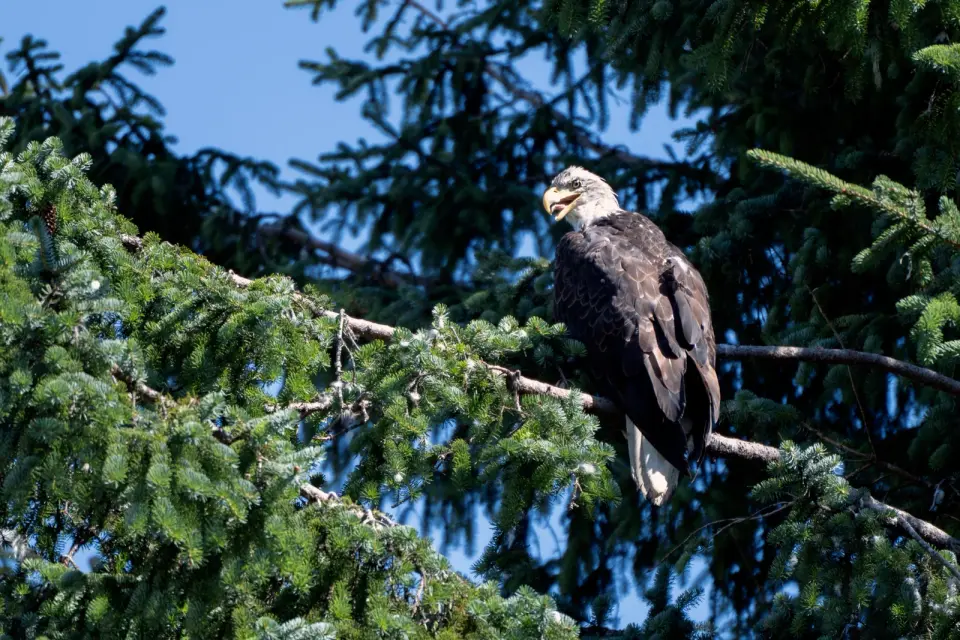
A recent visit to Eagle Beach near Juneau, Alaska, highlights the critical role of chum salmon in sustaining local wildlife and human communities. As salmon spawn in the Eagle River, they provide essential nutrients for bears, eagles, and forest growth, while also serving as a vital food source for rural Alaskans. Despite threats from climate change and historical overfishing, wild salmon populations in Alaska remain relatively robust, though conservation efforts are deemed necessary to protect this fragile ecosystem.
Key points
- Chum salmon spawning in the Eagle River near Juneau creates a nutrient-rich environment that supports bears, bald eagles, and forest growth.
- Naturalist Bob Armstrong, in his 90s, emphasizes the importance of quiet observation to witness authentic animal behavior, noting that human presence alters wildlife interactions.
- Commercial fisherman Lindsey Bloom highlights the ecological and cultural significance of salmon, stating that their nutrients are integrated into the forest, wildlife, and human communities.
- Climate change poses mixed risks to salmon populations, with marine heat waves and warming rivers decimating runs in the Yukon and Kuskokwim Rivers, while melting glaciers may open new habitats.
- Wild salmon runs in Alaska remain relatively intact compared to historical declines in other regions, but conservation efforts are crucial to ensure their long-term survival.
Background
Alaska's wild salmon populations have historically faced challenges from industrialization, pollution, and overfishing, but they remain a cornerstone of the state's ecosystem and culture. Recent political debates in Alaska, such as the 2026 Senate primary, have highlighted the importance of fisheries and environmental policy, underscoring the ongoing relevance of salmon conservation in the state.
Why it matters
The health of Alaska's salmon populations is a barometer for the broader ecosystem and the livelihoods of rural communities. As climate change and human activities continue to impact these fish, understanding their role in nutrient cycling and food security becomes increasingly critical for conservation and policy decisions.
What to watch
Ongoing monitoring of salmon runs and habitat changes will be essential to assess the long-term impacts of climate change and human activity. Conservation efforts and policy decisions will likely focus on protecting wild salmon populations and their habitats to ensure their survival and the sustainability of dependent ecosystems and communities.
Want the full story? Read the original reporting
Read on WBUR