
USDA recalls Argentine beef as Trump signs import plan
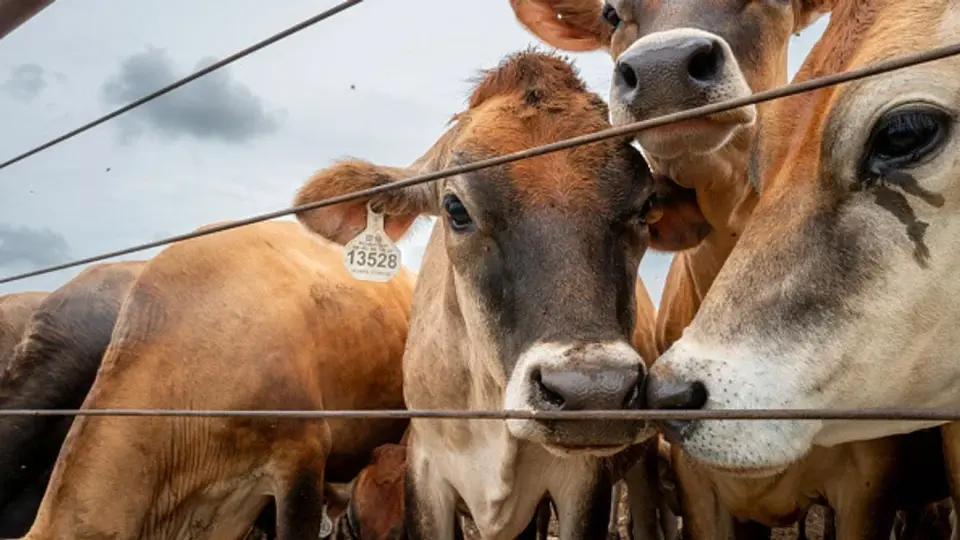
The USDA has recalled nearly 30,000 pounds of raw Argentine beef sold in Texas and Florida due to missed import inspections. This action coincides with President Trump signing a proclamation to lower tariffs on 300,000 metric tons of foreign beef, a move that has sparked significant backlash from ranchers and Republican lawmakers.
Key points
- The USDA’s Food Safety and Inspection Service classified the recall as a Class I health hazard, the highest risk category, despite no specific contaminants being identified.
- The recalled beef, produced between May 15 and 20, 2026, bypassed mandatory reinspection upon entry into the U.S. and was distributed to retailers in Texas and Florida.
- President Trump signed a proclamation on August 26, 2026, removing tariffs on 300,000 metric tons of imported lean beef trimmings for 90 days, aiming to reduce ground beef prices by 25%.
- The import plan has triggered strong opposition from the American Farm Bureau Federation, Livestock Marketing Association, and several Republican senators, who argue it undermines domestic cattle producers.
- Agriculture Secretary Brooke Rollins stated she was not privy to the specific details of which countries would supply the beef, while U.S. Trade Representative Jamieson Greer is managing the logistics.
Background
This recall follows a series of food safety issues reported in the summer of 2026. Previous archive entries confirm that the affected beef was produced in May 2026 with sell-by dates in September 2026. The recall is part of a broader trend of food recalls this summer, though no illnesses have been linked to this specific batch. The current event is distinct from earlier coverage as it involves a new political dimension regarding import tariffs.
How outlets are covering it
KEYE highlights the tension between the recall's bureaucratic cause and its high-risk classification, quoting food safety advocate Dr. Darin Detwiler who questions the logic of a Class I designation without a specified contaminant. Politico emphasizes the political fallout, noting that the White House is considering industry-friendly policy updates to mitigate rancher anger. USA Today focuses on the economic impact on ranchers in red states like Montana, describing the situation as a 'triple whammy' alongside trade wars and rising fertilizer costs. While KEYE notes the recall's timing relative to the import plan, USA Today provides concrete data on the herd size, noting the U.S. cattle herd is at a 75-year low.
Why it matters
This situation illustrates the complex intersection of food safety, trade policy, and domestic agriculture. The recall raises questions about the rigor of import inspections, while the new tariff exemptions threaten to disrupt the domestic cattle market. For consumers, it may lead to lower prices for ground beef in the short term, but for ranchers, it risks long-term instability in an industry already struggling with record-low herd numbers and high input costs.
What to watch
The first tranche of the new beef imports is scheduled to begin on September 1, 2026. The White House is expected to roll out additional industry-friendly policies, potentially including mandatory country-of-origin labeling, to address rancher concerns. Trump has stated he may halt the import plan if beef prices do not drop as promised or if foreign producers do not adhere to the 25% discount. Consumers with the recalled beef should discard or return it, as no illnesses have been reported but the risk category remains high.
- USDA recalls 30,000 pounds of Argentine beef sold in Texas and Florida KEYE
- Trump signs controversial beef import plan despite ranchers' backlash Politico
- In this red state, cattle ranchers are fuming. They blame Trump. USA Today
- Trump reputation with ranchers has ‘taken a hit’: US Cattlemen’s Association chief The Hill
- Ground beef imports aim to lower prices as Arizona ranchers raise concerns FOX 10 Phoenix
Want the full story? Read the original reporting
Read on KEYE