food-safety4 min read
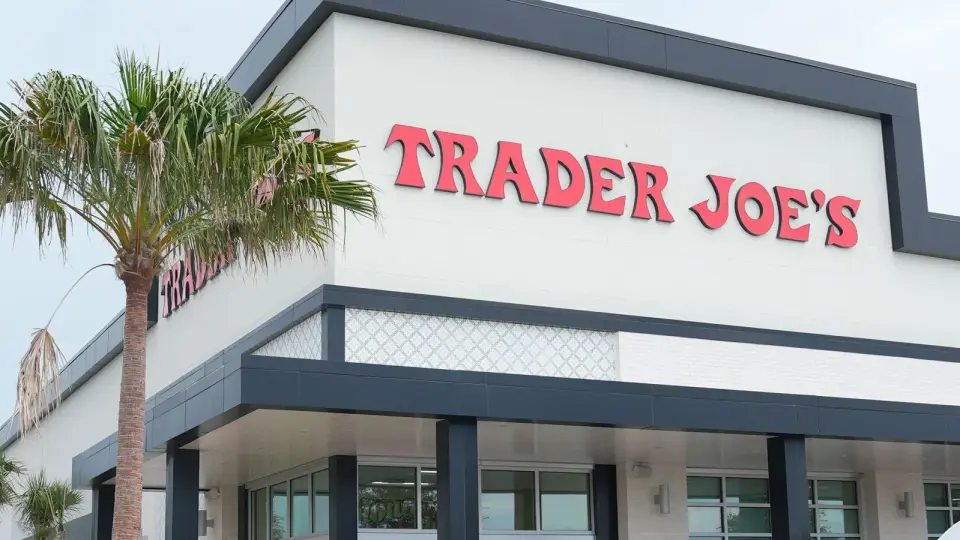
Federal Agencies Confirm Trader Joe's Wraps as E. coli Source After Lawsuit
1 month ago•Source: USA Today
View original source
The latest food safety stories, each synthesized from multiple sources with added background and context.
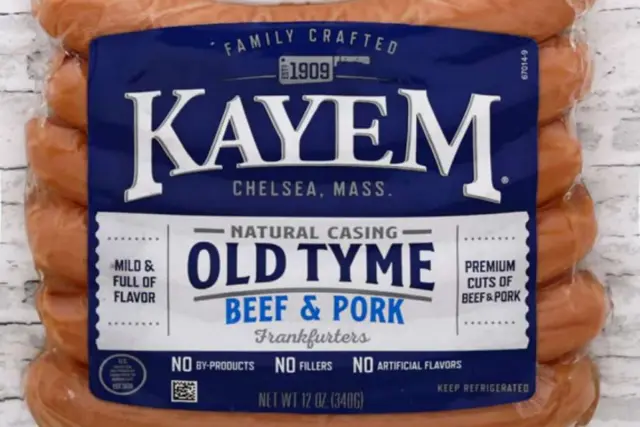
Kayem Foods is voluntarily recalling 1.5 million pounds of ready-to-eat meat and poultry products after a cooling system malfunction at a Massachusetts warehouse caused temperature deviations. The affected items, produced between March and October 2026, include hot dogs, bacon, and sausages shipped across the US and to Hong Kong. No illnesses have been reported, but consumers are advised to discard the products.

The Washington Post•2 months ago

The U.S. Department of Agriculture’s Food Safety and Inspection Service (FSIS) has issued a Class I recall for 167,639 pounds of raw pork, beef, and goat products. The meat, produced by Star Meat Delivery Inc. in Lucama, North Carolina, was distributed nationwide without federal inspection and bore a false USDA inspection mark. The products were shipped in bulk to A&D Foods, a Georgia-based distributor, which then supplied retailers and restaurants across the country. FSIS warns that the uninspected meat may contain harmful bacteria, undeclared allergens, or other contaminants, posing a high risk to consumer health. No illnesses have been reported so far, but officials urge consumers to discard or return any affected products immediately.
The USDA’s Food Safety and Inspection Service (FSIS) issued a Class I recall for approximately 167,639 pounds of raw pork, beef, and goat products produced by Star Meat Delivery Inc. in Lucama, North Carolina. The items were manufactured without federal inspection and bore a false USDA mark of inspection. Distributed nationwide via a Georgia distributor, the products pose a high health risk due to potential contaminants, though no illnesses have been reported.
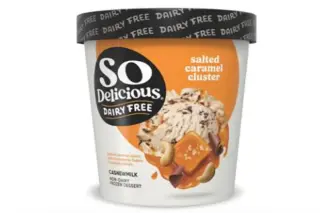
So Delicious is recalling its Salted Caramel Cluster Non-Dairy Frozen Dessert nationwide after customer complaints revealed potential hard objects, including stones, inside the cashew clusters. The recall affects pints sold at major retailers like Walmart and Target, with specific UPC and best-by date criteria provided for identification. Consumers are advised to discard affected products and contact the company for a refund or replacement.

The USDA has issued a Class I recall for approximately 1,500 pounds of imported Italian guanciale (pork jowl) due to potential Listeria monocytogenes contamination. The affected products, produced in Italy on May 21, 2026, were distributed across eight states by Prime Line Distributors and Ferrarini USA. No illnesses have been reported, but consumers are urged to discard or return the items.
The USDA has issued a Class I recall for approximately 1,513 pounds of imported Italian pork guanciale due to potential Listeria monocytogenes contamination. The products, distributed across eight states, were detected during routine reinspection. No illnesses have been reported, but officials urge consumers to discard the items.

A GS1 US survey of 1,000 U.S. adults finds rising concern about food recalls and waning faith that recalls protect public health, in the wake of high-profile outbreaks linked to jalapeño peppers and iceberg lettuce. Following these recalls, many consumers are changing buying habits: 67% have avoided an entire food category and 66% would hesitate to buy the same product or brand again, though most would still consider returning to a recalled brand. There is a demand for clearer product information and faster traceability, while allergens are the leading recall cause (about 45%), followed by bacterial contamination and foreign materials; total recalls rose 2021–2025 (505 to 613), with Class I recalls up 36.4%.
The USDA is recalling 1,513 pounds of imported ready-to-eat pork jowl (guanciale) from Prime Line Distributors and Ferrarini USA after testing revealed Listeria contamination. The affected products, produced in Italy in May 2026 and imported in July, were distributed across eight states. No illnesses have been reported, but consumers are urged to discard or return the items.

The USDA has recalled nearly 30,000 pounds of raw Argentine beef sold in Texas and Florida due to missed import inspections. This action coincides with President Trump signing a proclamation to lower tariffs on 300,000 metric tons of foreign beef, a move that has sparked significant backlash from ranchers and Republican lawmakers.

Dreyer's Grand Ice Cream has voluntarily recalled specific batches of Outshine Fruit Bars due to potential glass contamination. The recall covers five flavors: Strawberry, Watermelon, Grape, Tangerine, and Black Cherry. Affected products are 6-count boxes of 2.5-ounce paddle bars with best-before dates ranging from June to November 2027. No illnesses or injuries have been reported. Consumers should check batch codes and UPCs on the bottom of packaging, discard affected items, or return them for a refund.

The FDA has reclassified a July recall of 19 million eggs by Midwest Poultry Services as a Class I, the agency's highest-risk designation, due to a Salmonella outbreak that has sickened 98 people across 17 states. The eggs, sold in the South and Southwest, carry best-by dates through August 17, 2026, and consumers are urged to discard or return them.