
Trump Links Iran War Exit to Oil Seizure as Gulf Talks Collapse
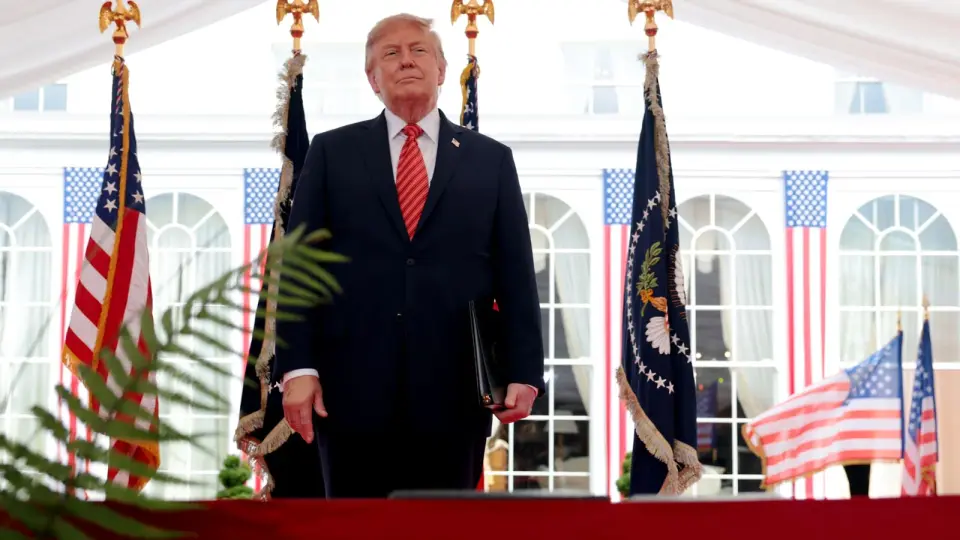
President Trump suggested the U.S. might retain control of Iranian oil reserves to fund the ongoing war, mirroring a recent agreement with Venezuela. This statement coincided with the postponement of critical diplomatic talks in Oman regarding the Strait of Hormuz. While Trump predicted the seven-month conflict would end by year's end, oil prices surged past $100 per barrel as regional tensions escalated and shipping routes remained blocked.
Key points
- Trump stated the U.S. could 'keep the oil' from Iran, comparing the scenario to the August deal with Venezuela, which granted Washington access to 65 billion barrels of reserves in exchange for $209 billion.
- A scheduled meeting in Oman between Gulf states and Iran to sign an agreement on the Strait of Hormuz was postponed by Omani officials, citing a lack of consensus.
- Oil prices rose sharply, with Brent crude reaching $107.11 per barrel and WTI hitting $102.39, driven by a Saudi pipeline closure and continued naval blockades.
- Trump claimed Iran is 'calling constantly' for peace talks, a narrative previously rejected by Tehran, and predicted the war would conclude after the November U.S. midterm elections.
- The conflict, which began in February, has led to a record low in Iranian oil exports through the Strait of Hormuz, severely impacting Tehran's foreign currency reserves.
Background
This development follows months of escalating tensions in the Gulf. In August, Trump had previously floated the idea of declaring the Strait of Hormuz a U.S. territory, a threat Iran dismissed. By September, Iranian oil traffic through the strait had stalled to record lows due to the U.S. blockade. Additionally, European nations have increasingly aligned with Washington’s sanctions-driven strategy, moving away from a 'third-way' diplomatic approach to prioritize access to the U.S. market and dollar-based finance.
How outlets are covering it
CNBC emphasizes the economic leverage of the proposed oil seizure, highlighting the financial success of the Venezuela deal as a precedent for potential gains in Iran. The outlet frames the situation as a strategic choice between ending the war or retaining resource control. In contrast, The Independent focuses on the diplomatic failure, noting that Trump is 'dodging blame' for rising prices while making unverified claims about Iranian peace efforts. The Independent highlights the disconnect between Trump’s optimistic timeline for peace and the reality of stalled negotiations and rising energy costs.
Why it matters
The potential U.S. seizure of Iranian oil would fundamentally alter global energy markets and geopolitical alliances. It could further isolate Iran, deepen the economic strain on its state treasury, and set a precedent for resource-based conflict resolution. Simultaneously, the failure of the Oman talks suggests that diplomatic avenues for reopening the Strait of Hormuz are closing, likely keeping global energy prices elevated and increasing risks for supply chains dependent on Gulf transit.
What to watch
Analysts will watch for any formal U.S. policy shifts regarding Iranian oil assets in the coming weeks. The outcome of the postponed Oman talks remains uncertain, but a lack of consensus suggests prolonged instability in the Strait of Hormuz. Oil markets may remain volatile as investors assess the likelihood of a post-election peace deal versus continued military engagement and resource control by the U.S.
- Trump says U.S. may keep Iranian oil 'like Venezuela' as Gulf-Iran Hormuz talks stall CNBC
- Iran war live: Trump says he could keep Iranian oil ‘like Venezuela’ The Independent
- Trump says US could stay in Iran and keep oil, like Venezuela deal Reuters
- Trump floats idea to ‘stay and keep the oil’ in Iran, noting Venezuela deal The Hill
- Exclusive | Trump’s Top Advisers Confront Possibility That Iran War Lasts Through End of Term WSJ
Want the full story? Read the original reporting
Read on CNBC