
Trump’s Diesel Sanctions Waiver Sparks Debate Over Peace Incentives vs. Strategic Concessions
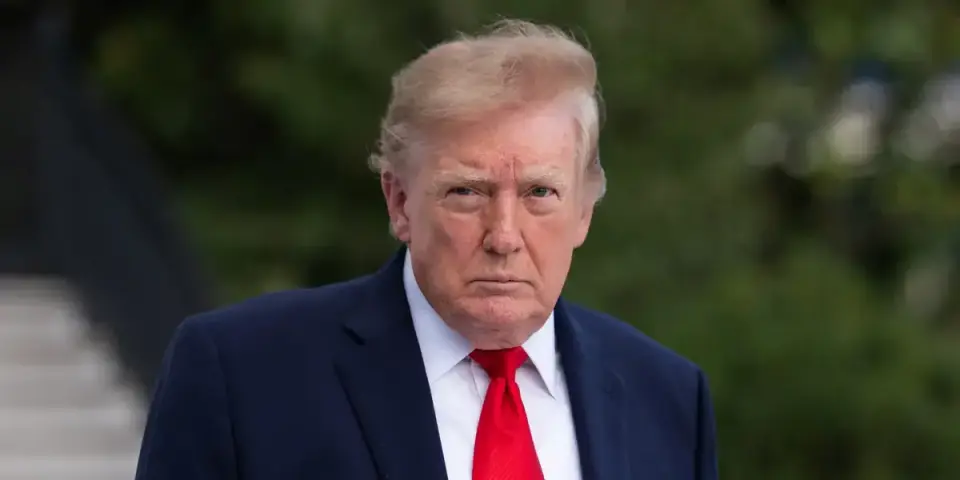
President Trump waived new sanctions on Russian diesel to address global fuel shortages and incentivize peace in Ukraine. Energy Secretary Chris Wright framed the move as a 'carrot' to end the war, but critics argue it provides negligible economic relief while undermining Western unity and rewarding Moscow without concessions.
Key points
- Trump signed an executive order waiving sanctions and tariffs on Russian diesel, following a September law targeting Russian officials and the economy.
- The deal involves Russia supplying 300,000 tons of diesel, with a total agreement for 4.8 million metric tons, equivalent to ten days of US demand.
- Energy Secretary Chris Wright argued that Russia can only export more diesel if it reduces its war efforts, making the waiver an incentive for peace.
- Critics, including Senator Thom Tillis and Ukrainian President Volodymyr Zelenskyy, called the move irresponsible and a breach of the bipartisan Graham Act.
- Experts note the deal’s economic impact is minimal, generating less than $30 million monthly for Russia’s budget, but it carries significant political implications.
- The waiver runs until April 2027, raising concerns about further sanctions relief and its impact on Ukraine’s military capabilities.
Background
This development follows a series of US actions aimed at managing global energy costs amid the Iran conflict and the Russia-Ukraine war. In September, Trump signed a sanctions package, but recent waivers and restrictions on US intelligence sharing with Ukraine have raised questions about Washington’s reliability as a partner. The diesel shortage, exacerbated by the Iran war and Russian export declines, has driven up global fuel prices, impacting consumer costs and midterm election dynamics.
How outlets are covering it
Energy Secretary Chris Wright and the Trump administration framed the sanctions waiver as a strategic 'carrot' to end the war, arguing it pressures Russia to reduce conflict to export diesel. However, Secretary of State Marco Rubio offered a different view, stating Russia would have sold diesel regardless. Critics, including Senators Thom Tillis, John Cornyn, and Ted Cruz, condemned the move as a capitulation to Russia, while Ukrainian President Volodymyr Zelenskyy warned it sets a precedent for further sanctions relief. Experts like Sergey Aleksashenko and Maria Snegovaya argued the deal’s economic impact is negligible but politically significant, potentially reinforcing Moscow’s belief that pressure yields concessions without compromise.
Why it matters
The sanctions waiver highlights the tension between addressing global energy shortages and maintaining pressure on Russia. It risks undermining Western unity and Ukraine’s military capabilities, while potentially boosting Russian political leverage. As midterm elections approach, the move reflects Trump’s attempt to lower fuel costs, but critics warn it may deepen tensions with Ukraine and set a precedent for further concessions to Moscow.
What to watch
The sanctions waiver is set to run until April 2027, with potential for further relief if Russia continues to export diesel. The US may face increased pressure to address energy costs, while Ukraine and its allies monitor for signs of further concessions. The impact on global fuel prices and the Russia-Ukraine war remains uncertain, with experts watching for any shifts in Russian behavior or Western unity.
- Trump's decision to import Russian diesel is an 'incentive to end the war,' energy secretary says Business Insider
- Wright calls Trump's diesel deal a peace incentive. Rubio says Russia would sell anyway. Axios
- Wright defends Trump’s Russian diesel deal as ‘carrot’ for peace Politico
- Trump Offers Putin Economic Relief in Hopes That Russia Will Return the Favor The New York Times
- Trump's Russia diesel deal may offer Putin more than money — and spell trouble for Ukraine CNBC
Want the full story? Read the original reporting
Read on Business Insider