
US Unveils $3B Critical Minerals Push, Including $400M Australian Scandium Loan
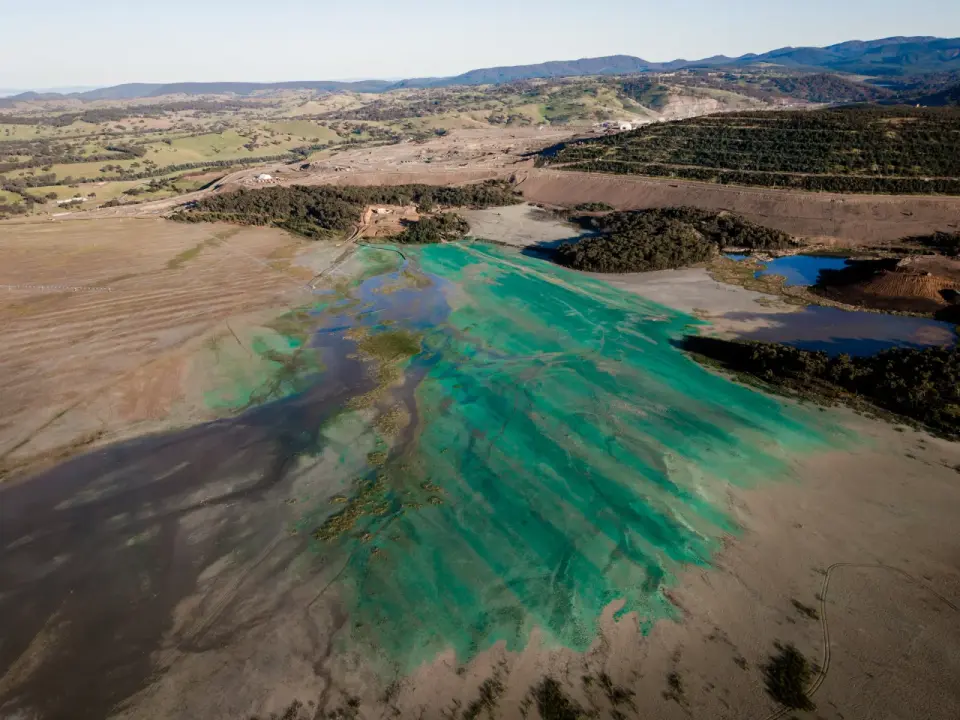
The US Department of Defense has committed $400 million to an Australian scandium mine, part of a broader $3 billion federal initiative to secure critical mineral supply chains. Simultaneously, the Department of Energy launched a $100 million program to double mining graduates within two years, addressing a severe workforce deficit.
Key points
- The Pentagon’s Office of Strategic Capital extended a $400 million conditional loan to Sunrise Energy Metals for the Syerston Scandium Project in New South Wales, Australia, aiming to create the world’s first primary scandium mine.
- President Trump announced a total $3 billion investment in critical minerals and battery projects, including a $1.4 billion loan to Sila Nanotechnologies and $150 million to Niron Magnetics, to reduce reliance on Chinese supply chains.
- The Department of Energy launched the PROSPECT program with $100 million in grants to double the number of mining-related graduates within two years, responding to a 45% decline in enrollment since 2015.
- The Pentagon allocated $80 million to three universities, including the Colorado School of Mines, to establish technology hubs and workforce development programs for mineral processing and recycling.
- Australia’s Resources Minister welcomed the deal, noting the project holds the world’s largest known high-grade scandium resource, vital for aerospace and defense applications.
Background
This initiative follows a critical minerals agreement signed in October 2025 between the US and Australia, where both nations pledged $1 billion in joint investments. It also follows China’s 2025 export restrictions on scandium for defense products, which prompted the US to seek alternative suppliers. The US has previously established a $12 billion strategic minerals stockpile and backed equity investments in domestic mining firms to counter Chinese dominance in processing and refining.
How outlets are covering it
Al Jazeera and CNBC emphasize the strategic defense implications, highlighting the need to replenish weapons stockpiles depleted during the Iran conflict and reduce dependence on China. CBS News focuses on the educational aspect, detailing the decline in mining students from 1,500 in 2019 to fewer than 600 in 2023. The Department of Energy frames the issue as a systemic workforce deficit, estimating a need for 6,000 new engineers in the next decade. While all sources agree on the urgency, Al Jazeera and CNBC stress the geopolitical rivalry with China, whereas DOE and CBS highlight the internal structural challenges of talent retention and curriculum modernization.
Why it matters
Securing domestic and allied supply chains for critical minerals like scandium is essential for maintaining US military readiness and technological leadership. The workforce crisis threatens long-term industrial capacity, making these investments critical for national security and economic resilience against foreign supply chain disruptions.
What to watch
The PROSPECT Planning Prize closes on October 5, 2026, with winners receiving up to $1 million each. The US government expects to see a significant increase in mining graduates within two years. The Sunrise Energy Metals mine aims to begin operations, with 25% of its initial output already contracted to Lockheed Martin.
- US announces $400m investment in Australian rare earth mine aljazeera.com
- Trump announces $180 million to boost mining education CBS News
- Trump administration to invest $3 billion in minerals projects to boost U.S. defense supply chains CNBC
- PROSPECT: Providing Opportunities for Specialized Education in Critical Technologies Department of Energy (.gov)
- Trump Administration to Award $2 Billion to Battery, Materials Companies WSJ
Want the full story? Read the original reporting
Read on aljazeera.com