
Lukashenko admits Belarus lacks spare potash for Trump's 'massive' deal
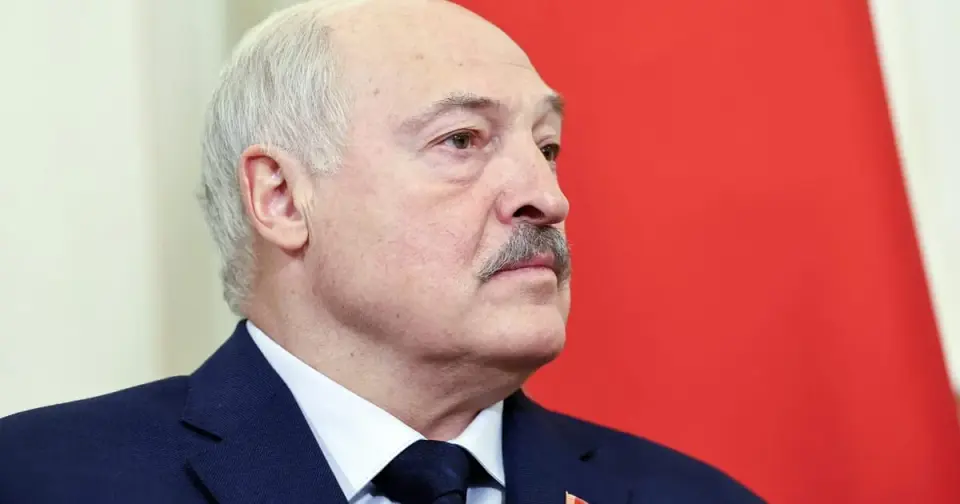
President Donald Trump announced a 'massive' deal to purchase potash from Belarus to undercut Canadian prices, but Belarusian President Alexander Lukashenko stated his country has no spare supply. Lukashenko confirmed all 6 million metric tons of annual output are already contracted, though he noted a small shipment to the US occurred in September. The move highlights a trade pivot away from Canada amid an escalating dispute, while critics question the logistics and geopolitical implications of sourcing fertilizer from a Russian ally.
Key points
- Trump claimed on Truth Social that the US is working on a deal to buy Belarusian potash at prices 'substantially less' than Canadian rates, citing benefits for US farmers.
- Lukashenko admitted on Monday that Belarus cannot supply large volumes to Western markets because all production is already contracted for the year.
- Belarus produces approximately 6 million metric tons of potash annually, slightly exceeding US import needs of 5.6 million metric tons, but lacks surplus capacity.
- Lukashenko demanded the release of $43-44 million in frozen state funds held in Citibank since 2022 as a precondition for further cooperation.
- The US had previously requested Ukraine to allow transit of Belarusian potash, a request Kyiv denied, complicating logistics for the landlocked Belarusian state.
Background
This development follows a September 2026 interim deal where Belarus released 25 political prisoners in exchange for partial US sanctions relief, including the removal of penalties on two state banks and top potash producers. Prior to this, the US had imposed sanctions on Belarusian fertilizer after the 2020 election crackdown and again in 2022 for supporting Russia's war in Ukraine. Recent diplomatic thawing includes Trump's special envoy John Cole signaling readiness to release frozen funds during talks in Minsk.
How outlets are covering it
The Guardian emphasizes the geopolitical risk, noting that Washington is pivoting to a Russian ally despite Minsk's repression and support for the war in Ukraine, with exiled opposition leader Sviatlana Tsikhanouskaya warning that revenue funds repression. The Times of India highlights the hypocrisy of the move, contrasting it with US pressure on India regarding Russian energy imports and noting that Belarus is also a key supplier to India, potentially raising global prices. Politico focuses on the logistical and contractual reality, reporting that Lukashenko explicitly stated there is no spare volume available, contradicting the scale of Trump's announcement. The outlets agree on the price differential but differ on the feasibility and ethical implications of the trade.
Why it matters
The potential shift in US fertilizer sourcing could disrupt global supply chains, particularly for India, which relies on Belarus for a portion of its 4-5 million metric tons of annual imports. It also tests the limits of US sanctions policy, as engaging with Belarus may require bypassing Russian transit routes or further lifting financial restrictions, complicating the US stance on the war in Ukraine.
What to watch
The US must resolve the status of $43-44 million in frozen Belarusian funds to facilitate any significant trade. Additionally, Washington must navigate the logistical challenge of moving Belarusian potash to the US, potentially requiring transit through Russia or Ukraine, both of which have previously opposed or restricted such flows. The actual volume of the deal remains uncertain as Belarus has no uncontracted supply.
- Lukashenko says Belarus doesn’t have enough potash for Trump politico.eu
- Belarus says no potash left after Trump claims massive deal for fertilizer The Hill
- Trump seeks ‘massive’ Belarus fertiliser deal amid Canada trade war The Guardian
- From Russian oil to Belarusian potash, more hypocrisy from Washington The Times of India
- Not the time to soften stance over Belarus, Lithuania says Reuters
Want the full story? Read the original reporting
Read on politico.eu