
Iran Fortifies Nuclear Sites and Threatens Regional Invasions Ahead of US Midterms
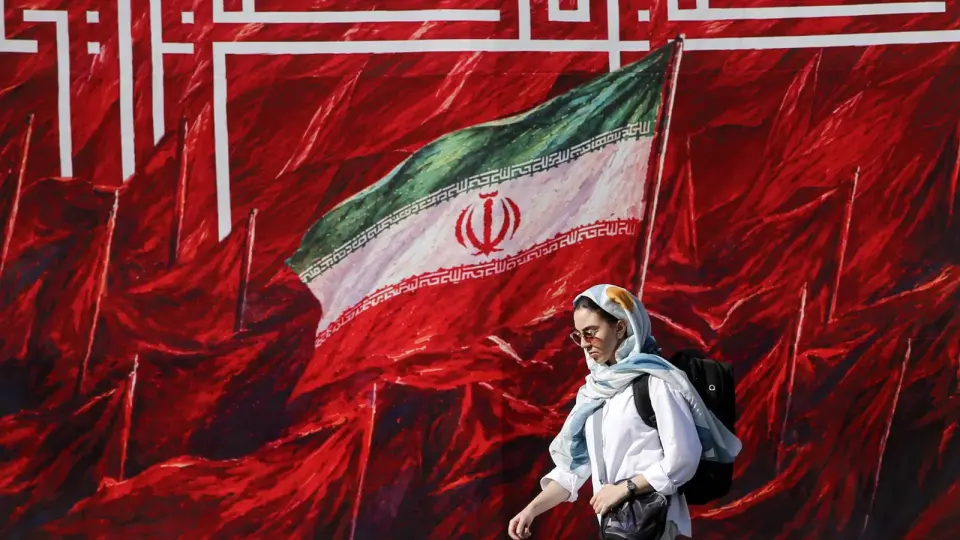
Iran is actively fortifying its nuclear and military sites while threatening regional retaliation to deter potential US strikes after the November 3 midterm elections. Tehran has warned it may launch ground incursions into neighboring countries and attack Gulf digital infrastructure, including data centers and undersea cables. Meanwhile, Houthi attacks on Saudi Arabia and a suspected Iranian plot against a UK air base highlight the escalating regional instability.
Key points
- The Wall Street Journal reports Iran is strengthening defenses at nuclear sites, including makeshift dirt mounds at Natanz and Pickaxe Mountain, to resist ground raids.
- Iranian officials have warned Arab neighbors that they may conduct land incursions and strike Saudi oil facilities if the US resumes attacks.
- Security chief Mohsen Rezaei threatened to target regional data centers, AI facilities, and undersea cables, citing the vulnerability of Gulf digital infrastructure.
- President Trump stated the US will not attack Iran before the November 3 midterm elections, though the Pentagon is reportedly preparing strike options for post-election escalation.
- Houthi forces have launched ballistic missiles at Riyadh, killing a pilot and forcing the closure of King Khalid International Airport, while a suspected Iranian plot was thwarted at RAF Fairford in the UK.
Background
This escalation follows a period of active conflict in 2026, including the '12 Day War' in June and strikes that began in February. Previous coverage noted that Iran has continued to rebuild its missile and drone capabilities despite significant damage from US and Israeli strikes. The current tension is compounded by ongoing disputes over the Strait of Hormuz, where Iranian attacks on tankers have surged, and stalled diplomatic negotiations regarding the reopening of the strait.
How outlets are covering it
The Wall Street Journal and The Jerusalem Post emphasize Iran’s physical fortification of nuclear sites and its broader military preparations, including paramilitary recruitment and missile training. Al Jazeera focuses on the economic and technological implications, highlighting how threats to data centers and undersea cables could disrupt the Gulf’s post-oil digital economy and challenge the region’s stability. IranWire underscores the diplomatic dimension, noting that threats of ground invasions are intended to deter Washington. While all sources agree on Iran’s defensive posture, they differ in emphasis: WSJ and JPost focus on military readiness, while Al Jazeera highlights the vulnerability of critical infrastructure and the geopolitical leverage this provides to Gulf states.
Why it matters
The situation poses a significant risk of renewed regional conflict, potentially involving multiple countries and sectors, from oil infrastructure to digital networks. The timing of potential US strikes after the midterms could alter the political calculus in Washington, while Iran’s threats to expand the conflict could destabilize the Gulf’s economic diversification efforts and increase global energy and internet costs.
What to watch
Watch for any US military movements or diplomatic signals in the weeks leading up to the November 3 elections. Monitor the status of the Strait of Hormuz and any further Houthi attacks on Saudi infrastructure. Additionally, observe whether Iran’s threats to digital infrastructure lead to increased cybersecurity measures or retaliatory actions by Gulf states and the US.
- Iran reportedly fortifies nuclear sites as it prepares for possible U.S. strikes after midterms CNBC
- Iran Fortifying Nuclear Sites and Rallying Its People for Return to Fighting WSJ
- Iran threatens Gulf data centres: How exposed is the region’s internet? Al Jazeera
- Iran may be digging in for next war, raising stakes for US, Israel, and Gulf The Jerusalem Post
- WSJ: Iran Threatens Neighbors With Ground Invasions If US Attacks IranWire
Want the full story? Read the original reporting
Read on CNBC