
Iran Receives U.S. Ceasefire Counterproposal as IRGC Urges American Voters to Protest
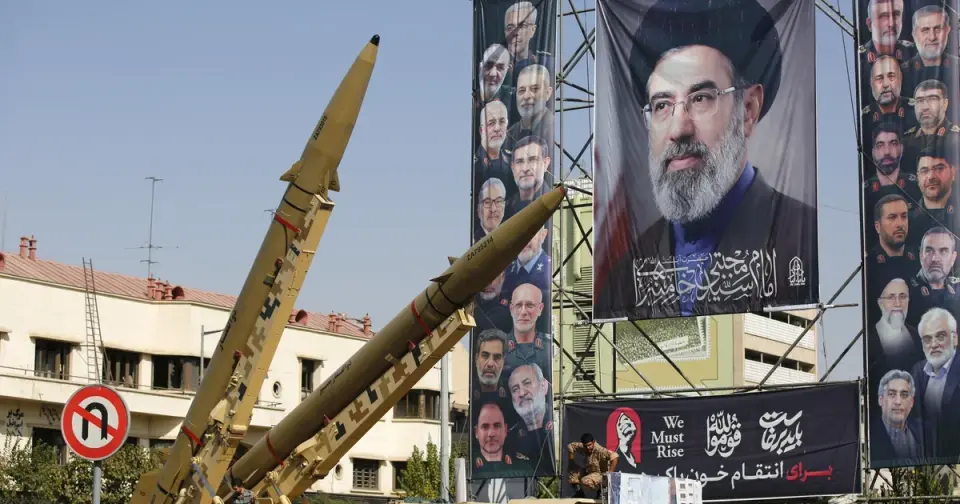
Iran confirmed it received a formal U.S. counterproposal to its seven-day ceasefire plan, which President Trump had previously rejected. Simultaneously, Iran’s Revolutionary Guard Corps issued a direct appeal to American voters ahead of the November midterms, claiming the war has failed and urging protests against the administration. The U.S. completed its troop withdrawal from Iraq, while Iran-backed militias in Iraq and Lebanon resisted disarmament demands. Three tankers were struck in the Strait of Hormuz, and the U.S. imposed new sanctions on entities aiding Iran’s military.
Key points
- Iran’s government stated that Foreign Minister Abbas Araghchi presented the U.S. counterproposal to President Masoud Pezeshkian during a cabinet meeting, though the specific terms were not disclosed.
- The IRGC released a letter to the American public, arguing that the U.S. has failed to achieve its war goals and urging citizens to protest the administration’s policies before the November 3 midterm elections.
- The U.S. military announced the complete withdrawal of troops from Iraq, ending a 12-year mission against the Islamic State, a move celebrated by Iran-backed militias but raising concerns in Kurdish regions.
- Iran-backed Iraqi militias, including Kataib Hezbollah, stated they are not bound by any timeline to disarm, despite U.S. pressure and recent joint strikes with Saudi Arabia.
- The U.K. Maritime Trade Operations center reported that unknown projectiles struck three vessels, including a crude oil tanker and an LNG tanker, in the Strait of Hormuz on Tuesday.
- The U.S. Treasury sanctioned 10 individuals and companies under Operation Economic Outcast for allegedly supplying weapons and electronics to Iran’s military, with targets located in Iran, China, Hong Kong, and Pakistan.
Background
This development follows a series of rejections by President Trump of Iran’s seven-day ceasefire proposal in late September, which required the U.S. to lift sanctions and release $12 billion in frozen assets. The current counterproposal suggests a shift in diplomatic posture, though the core disagreement over sequencing and compliance remains. The conflict, which began in February 2026, has expanded to include strikes in the Red Sea and Iraq, while global oil prices have remained elevated due to disruptions in the Strait of Hormuz.
How outlets are covering it
Fox News emphasized the U.S. perspective, highlighting Trump’s assertion that Iran is 'failing very badly' and predicting the war will end soon, while also noting the release of 40 million barrels from the Strategic Petroleum Reserve. Al Jazeera focused on the IRGC’s direct appeal to American voters, framing the conflict as a failure of U.S. policy and highlighting the economic impact on Iran, such as the rial hitting a record low. Spectrum News reported on the IRGC’s call for protests and the economic strain on Americans, noting that gasoline prices are $1.50 higher than pre-war levels. CBS News provided a broad overview of the diplomatic and military developments, including the U.S. withdrawal from Iraq and the strikes on tankers in the Strait of Hormuz.
Why it matters
The receipt of a U.S. counterproposal indicates a potential opening for negotiations, even after Trump’s public rejection of Iran’s initial terms. The IRGC’s direct appeal to American voters aims to influence the November midterm elections, which could impact U.S. foreign policy and congressional support for the war. The continued strikes in the Strait of Hormuz and the resistance to disarmament in Iraq and Lebanon suggest that the conflict remains volatile, with significant implications for global energy markets and regional stability.
What to watch
Iran is expected to discuss the U.S. counterproposal in Tehran, with Foreign Minister Araghchi leading the negotiations. The U.S. and Iran may continue indirect talks through Qatari intermediaries, though the core disagreement over sequencing and compliance remains a significant obstacle. The IRGC’s appeal to American voters could influence public opinion ahead of the November 3 midterm elections, potentially impacting U.S. foreign policy and congressional support for the war. The U.S. may continue to impose sanctions and military pressure on Iran, while Iran may continue to restrict traffic through the Strait of Hormuz and support its allies in the region.
- Live Updates: Iran's military says war will only end when U.S. admits defeat as it asks American public to protest against Trump CBS News
- Iranian regime slams Trump over Strait of Hormuz, nuclear program Fox News
- Iran appeals to US voters as American troops leave Iraq Reuters
- Trump administration ‘must be changed’: Iran’s IRGC appeals to US voters Al Jazeera
- Iran tells U.S. public that Trump’s war has failed, calls for protests Spectrum News
Want the full story? Read the original reporting
Read on CBS News