
Iran Vows Escalation After US Destroys Three Tankers in Hormuz
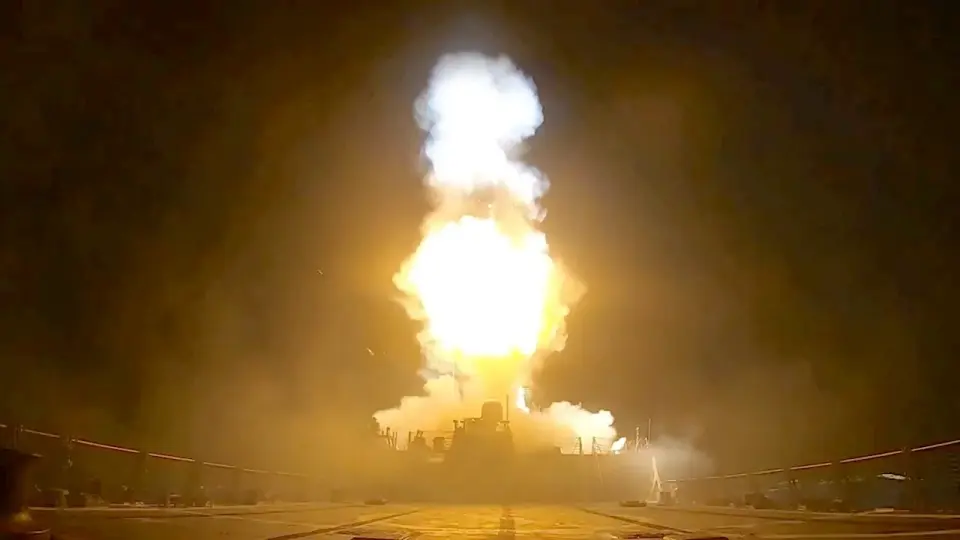
US forces struck and disabled three Iranian oil tankers in the Gulf of Oman and Persian Gulf on Saturday, retaliating for ballistic missile attacks on US Navy warships. Iranian Parliament Speaker Mohammad Baqer Qalibaf warned that future US aggression would trigger a 'faster, heavier and more painful response.' The strikes mark a significant escalation in the six-month conflict, with Washington aiming to choke Iran’s economy while Tehran asserts it can absorb pressure. CENTCOM reported redirecting 92 vessels and disabling three others during the blockade, while OPEC+ held production steady amid disrupted exports.
Key points
- US Central Command confirmed the permanent disabling of three Iranian tankers: M/T Downy, M/T Stark 1, and M/T Kylo, following Iranian ballistic missile attacks on a US aircraft carrier and destroyer.
- Iranian Parliament Speaker Qalibaf declared the era of proportionate responses over, promising swifter and more intense retaliation against US interests.
- CENTCOM stated that US forces have redirected 92 commercial vessels, disabled three, and boarded two others to enforce a maritime blockade in the Strait of Hormuz.
- US Energy Secretary Chris Wright stated Washington is 'strangling' Iran’s economy to force policy change or regime change, while maintaining openness to a nuclear deal.
- OPEC+ kept October oil output unchanged, acknowledging limited power over physical markets due to the war’s disruption of supply chains.
Background
This escalation follows a series of exchanges in late August and early September 2026, including US strikes on Larak Island and Iranian attacks on bases in Jordan and the UAE. Previous tensions included a tanker strike near Oman in late August and rising oil prices due to fears of Hormuz disruption. The current conflict is part of a broader six-month confrontation involving sanctions, naval blockades, and intermittent military strikes.
How outlets are covering it
Fox News and CBS News emphasize the US military’s precision and the economic strangulation strategy, citing CENTCOM’s success in redirecting vessels and Energy Secretary Wright’s claims of choking Iran’s economy. Al Jazeera highlights Iran’s political calculation, noting that Tehran may welcome escalation to gain leverage through shipping disruptions, despite military asymmetry. Iranian officials, per CBS and Fox, reject the idea that sanctions will force policy changes, asserting economic resilience. Analysts cited by Fox and Al Jazeera disagree on the long-term impact, with some warning of Iran’s ability to absorb pressure and others noting the failure of Tehran’s attempt to shock global markets.
Why it matters
The direct destruction of Iranian oil infrastructure and the threat of further escalation risk disrupting global energy supplies, as the Strait of Hormuz carries roughly a fifth of global oil and LNG. The conflict’s expansion into economic warfare and naval blockades could destabilize regional markets and influence global oil prices, while the rhetoric from both sides suggests a potential for broader military confrontation.
What to watch
Iran may announce a restricted zone near the Strait of Hormuz, as hinted by security chief Mohsen Rezaei. The US and Middle East partners will continue enforcing the naval blockade, potentially leading to further incidents. OPEC+ will review production capacity and 2027 quotas in October. Diplomatic efforts may resume, but tensions remain high with both sides signaling readiness for further action.
- US strikes 3 Iranian tankers for IRGC targeting US troops; Iran vows 'more painful response' Fox News
- Iran war live: Tehran warns of ‘faster, more painful’ response to attacks Al Jazeera
- Live Updates: Iran threatens "more painful" retaliation to U.S. strikes on Iranian oil tankers CBS News
- Iran to tackle economic issues, says further attacks will be 'more painful' Reuters
- Iran warns of ‘more painful’ response to U.S. attacks as economic pressure mounts cnbc.com
Want the full story? Read the original reporting
Read on Fox News