
Iran’s President Rejects US Trust, Proposes 7-Day Hormuz Deal Amid War
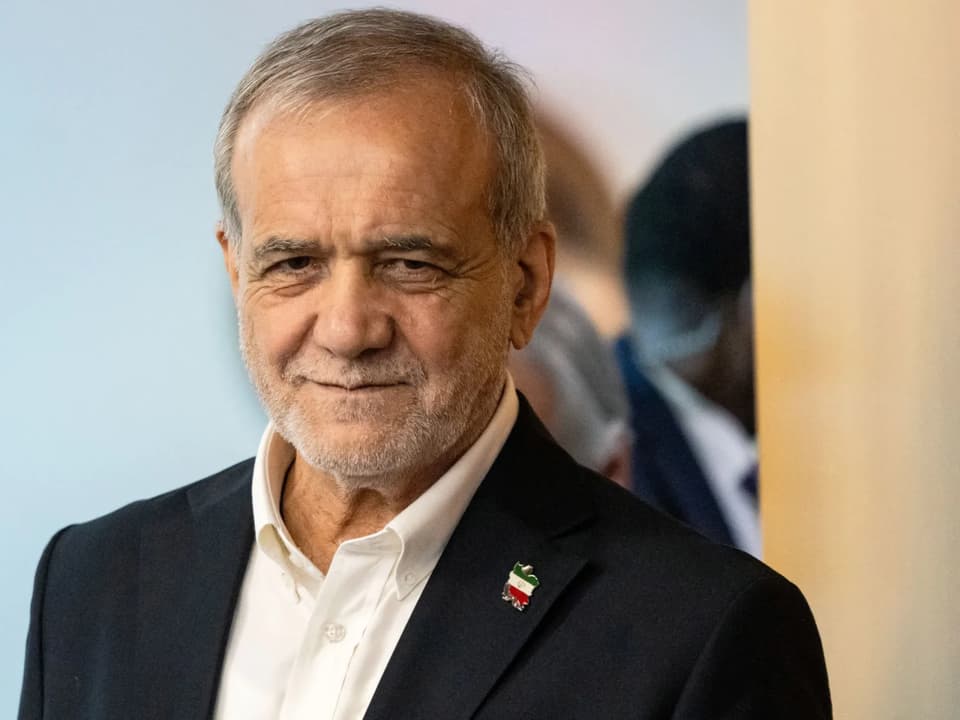
Iranian President Masoud Pezeshkian stated that Tehran no longer trusts US negotiations, citing previous attacks following talks. During the UN General Assembly, Iran proposed a seven-day roadmap to reopen the Strait of Hormuz and end the war, contingent on US sanctions relief and asset releases. While Iran seeks a deal before US midterms, Washington has not responded, and hardliners demand preconditions.
Key points
- Pezeshkian declared Iran has 'no trust' in US talks, claiming previous negotiations were followed by military strikes and sanctions.
- Iran proposed a seven-day plan: US lifts blockade and sanctions, releases $12bn in frozen assets, and observes a ceasefire; Iran reopens the Strait of Hormuz.
- Pezeshkian urged a deal before US midterm elections, while Trump suggested Iran is waiting for the election outcome to negotiate.
- Iran’s Supreme National Security Council chief Mohsen Rezaei stated future talks require Washington to meet all preconditions first, signaling a hardline shift.
- Pezeshkian denied Iran blocked Hormuz, blaming the US naval blockade, and offered to mediate between Saudi Arabia and Yemen’s Houthis.
Background
The US-Israel war on Iran began in late February 2026 with attacks that killed Supreme Leader Ayatollah Ali Khamenei. A June memorandum of understanding (MoU) for a ceasefire collapsed, leading to renewed conflict and a US naval blockade. Iran’s new Supreme Leader, Mojtaba Khamenei, has not appeared publicly since the war began, though Pezeshkian claims regular meetings with him.
How outlets are covering it
Al Jazeera and The Jerusalem Post highlight Pezeshkian’s defiant tone, emphasizing Iran’s refusal to bow to pressure and its claim that the US closed Hormuz first. NBC News focuses on the political timing, noting Pezeshkian’s desire to reach a deal before US midterms, contrasting with Trump’s assertion that Iran is stalling until after the election. CNN analyzes the diplomatic tension, noting that while Pezeshkian and Foreign Minister Araghchi engaged in talks, hardliners like lawmaker Ebrahim Rezaei and security chief Mohsen Rezaei criticized the engagement, demanding preconditions for any future negotiations. All sources agree that the June MoU has lapsed and that Iran is awaiting a US response to its new proposal.
Why it matters
The conflict threatens global energy supplies, as the Strait of Hormuz carries 20% of world oil. A failure to resolve the impasse could prolong regional instability, impact global economies, and deepen divisions between US allies and Iran. The hardline stance from Iranian security officials suggests limited room for compromise, potentially extending the war.
What to watch
Iran is awaiting a US response to its seven-day proposal. If Washington rejects the preconditions, the blockade and sanctions may continue. The outcome of US midterm elections in November could influence Trump’s willingness to negotiate, while hardliners in Iran may block any deal perceived as weak.
- Pezeshkian says Iran ‘no longer trusts talks with Washington’ Al Jazeera
- Araghchi expected to stay in New York until Wednesday, Iran’s state media says The Times of Israel
- Iran’s president says Tehran wants a deal with U.S. before midterm elections NBC News
- Iranian president: Tehran 'no longer trusts' negotiations with Washington The Jerusalem Post
- Iran’s president laid out Tehran’s demands to the world, from a podium in New York CNN
Want the full story? Read the original reporting
Read on Al Jazeera