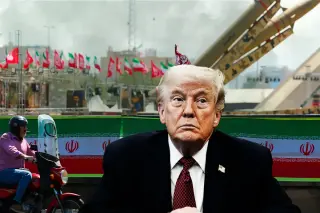
Israeli intelligence has warned the US that Iran plans to use explosive drones against President Trump and senior officials. This threat has triggered strict security measures, including relocating key cabinet members to military bases, and has stalled diplomatic negotiations between Washington and Tehran.
Iranian officials warned Washington of a 'catastrophic' response to renewed conflict while Foreign Minister Abbas Araghchi held calls with 12 counterparts to reinforce regional security. Tehran insists on full acceptance of its seven conditions for diplomacy, including sanctions relief and oil export permissions, while US President Donald Trump claims a deal is possible despite recent defensive strikes on Qeshm Island.
Iranian officials have escalated rhetoric against Europe, warning that Tehran will strike US military bases in Italy and Germany if Washington uses them to attack Iran. This threat coincides with the Democratic Party’s sweeping victory in the US midterm elections, which Iran’s Supreme Leader Mojtaba Khamenei dismissed as a false signal of US policy softening. While US President Donald Trump struck a conciliatory tone regarding the election results, Iranian state media and parliament members emphasized that any renewed confrontation would extend beyond the Middle East to the 'heart of Europe.'
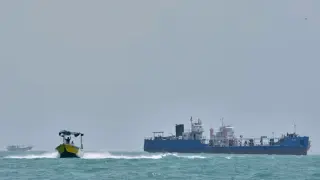
US President Donald Trump signaled potential progress in indirect talks with Iran to end the eight-month conflict, stating a deal 'could happen' before Tuesday's midterm elections. While Vice President JD Vance expressed optimism, Tehran insists on strict preconditions, including the lifting of US sanctions and naval blockades, before reopening the Strait of Hormuz. Oil prices dropped over six percent on Monday as markets reacted to diplomatic signals, though military tensions persist with reports of explosions in Iran and threats of further strikes if negotiations fail.
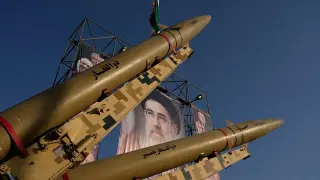
Qatari-mediated talks between Iran and the United States have shortened the proposed timeline for reopening the Strait of Hormuz from seven days to 48 hours, contingent on Washington meeting specific demands. While US President Donald Trump described the negotiations as 'fine' but criticized Iranian reliability, Tehran has simultaneously signaled maximum military readiness. Iranian leaders have ordered commanders to prepare for immediate, unrestricted retaliation against US and Israeli assets, including civilian infrastructure and seabed cables, should conflict resume. The diplomatic opening is being tested by ongoing US naval blockades and economic pressure, which have crippled Iran’s oil exports and driven inflation near 90 percent. Analysts note that while sequencing has improved, fundamental disagreements over nuclear concessions and sanctions relief remain unresolved, leaving the situation volatile ahead of the US midterm elections.
Iranian hardliners cite a crude price surge above $116 as proof that maritime pressure works, while moderates warn the economic toll is unsustainable. Simultaneous diplomatic efforts involve Qatari mediation and a four-way meeting with Saudi Arabia, Pakistan, and Turkey, but core disputes over nuclear capabilities and blockade sequencing remain unresolved.
Qatar and Pakistan have proposed a new diplomatic framework to de-escalate tensions between Iran and the United States. The plan, which reportedly received initial approval from both sides, involves releasing $6 billion from Iran’s frozen assets in exchange for confidential inspections of Iranian nuclear facilities by the International Atomic Energy Agency. This initiative aims to prevent a resumption of armed conflict and reopen indirect negotiations, building on previous mediation efforts that failed to secure a lasting peace.
The US State Department issued a rare 'red alert' to citizens in 12 Middle Eastern countries on October 19, 2026, warning of potential attacks on US interests and travel disruptions. The advisory cites escalating hostilities between Yemen’s Houthis and Saudi Arabia, as well as broader threats from Iran and its proxies. While diplomatic efforts continue, including Russian mediation in Tehran, the US warns that the situation could escalate rapidly beyond the immediate conflict zones.
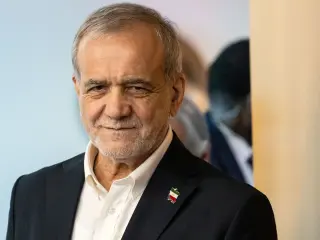
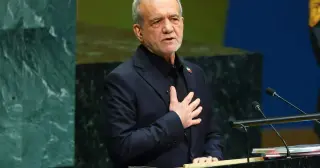
Iranian President Masoud Pezeshkian stated that Tehran no longer trusts US negotiations, citing previous attacks following talks. During the UN General Assembly, Iran proposed a seven-day roadmap to reopen the Strait of Hormuz and end the war, contingent on US sanctions relief and asset releases. While Iran seeks a deal before US midterms, Washington has not responded, and hardliners demand preconditions.
Iranian President Masoud Pezeshkian’s UN speech drew rare cross-factional praise in Tehran, but emerging details of a phased deal to reopen the Strait of Hormuz threaten to expose deep domestic divisions. While hardliners celebrated his defiant rhetoric, reformists highlighted his openness to diplomacy. Negotiations remain stalled as neither side wishes to relinquish leverage first, with Iran seeking a deal before US midterm elections.
Iran has rejected linking the reopening of the Strait of Hormuz to nuclear concessions, even if Washington accepts Tehran’s seven-day proposal. While President Pezeshkian offered to dilute uranium stockpiles, senior officials insist the strait remains closed until the US lifts its naval blockade and sanctions. This divergence highlights a deadlock over sequencing, with both sides unwilling to move first amid ongoing UN General Assembly diplomacy.
Brent crude jumped 3.5% to $108 after Oman postponed a critical meeting with Iran and Gulf states over the Strait of Hormuz. The delay, attributed to a lack of consensus and recent Houthi attacks in Yemen, threatens a temporary shipping agreement. Simultaneously, Saudi Arabia closed its East-West pipeline after a drone strike, further restricting oil exports and deepening regional instability.
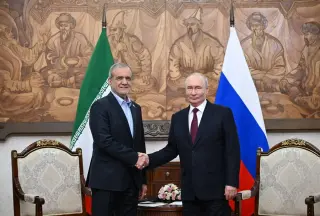
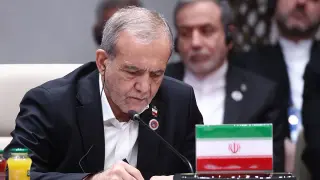
Iranian President Masoud Pezeshkian has signaled a potential return to a June ceasefire agreement, provided the United States reciprocates. Speaking at the Shanghai Cooperation Organisation summit in Bishkek, Pezeshkian thanked Russian President Vladimir Putin for Moscow’s diplomatic support and pledged to maintain trade ties despite heavy international sanctions. The statement comes after a brief resumption of hostilities between the US and Iran, with Tehran insisting it will reopen the Strait of Hormuz only if Washington resumes its commitments to the collapsed peace framework.
Iranian President Masoud Pezeshkian stated that Tehran is prepared to return to the June ceasefire agreement if Washington resumes its commitments. This offer follows recent exchanges of fire between the two nations, including US strikes on Iranian launchers near the Strait of Hormuz. While Pezeshkian emphasized a desire for peace at the Shanghai Cooperation Organisation summit, the IRGC continues to demand stricter terms, such as Iranian control of Hormuz and war compensation, which the US is unlikely to accept.
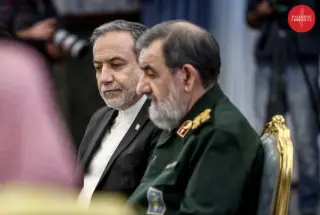
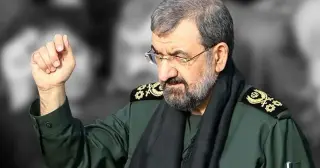
Mohsen Rezaei, Iran’s new Supreme National Security Council secretary, outlined four core demands for a US agreement: ending regional conflict, lifting the port blockade, compensation, and sanctions relief. This marks a tactical shift from his previous hardline 'offensive doctrine' stance, suggesting Tehran is now negotiating from a position of strength rather than rejecting dialogue outright. While Rezaei maintains that Iran has broken the maritime blockade and exported oil, US Central Command denies this, stating zero barrels have left Iranian shores since mid-July. The move coincides with Washington’s 'Economic D-Day' campaign, which targets Iranian financial networks through secondary sanctions on entities like Banque Misr’s UAE branches. Despite these pressures, Iranian diplomats, including ambassador Majid Nili, reaffirm readiness for dialogue based on 'mutual respect,' though market analysts note low probability of near-term meetings in the UAE.