ISW analysts say Ukraine is now targeting Russian ballistic-missile launch facilities, focusing on deployment and training sites to counter a shortage of air and missile defenses, with the Aug. 15 strike on Savasleyka airbase illustrating the tactic.
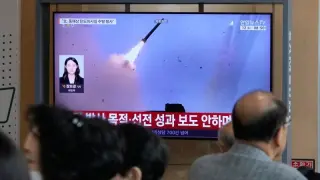
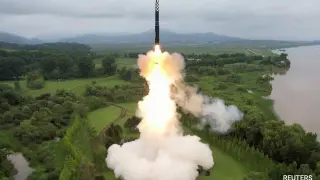
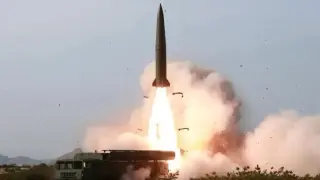
North Korea warned of stern steps and a stronger deterrent against the United States and South Korea ahead of their Ulchi Freedom Shield drills, calling the exercises a war rehearsal and signaling possible additional weapons tests after recent ballistic missile launches, as diplomacy remains stalled and Pyongyang seeks to bolster its arsenal and deepen ties with Russia and China.
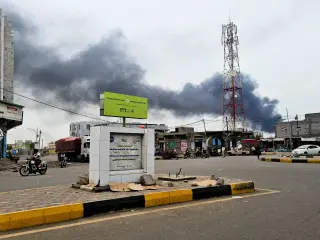
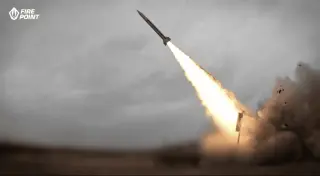
Yemen’s Houthis launched ballistic missiles at the Red Sea port city of al-Makha and the central city of Marib, a day after a deadly attack on al-Makha that killed seven and wounded about 30. The strikes mark a major escalation in the civil war, with additional attacks reported in Shabwa and other fronts as government forces and Houthis exchange strikes. The renewed violence threatens the fragile 2022 truce and risks drawing in regional powers, prompting UN calls for restraint.
ISW reports Russia plans a large-scale campaign against Kyiv’s energy infrastructure in the coming weeks, potentially using ballistic missiles to exploit Ukraine’s interceptor shortages and disrupt winter repair efforts; the assessment notes ongoing strikes against energy facilities, prior fall–winter campaigns, and Ukraine’s efforts to fortify grids, while also reporting Ukrainian long-range strikes on Russian oil facilities and continued frontline activity in northern Sumy, Kharkiv, Donetsk, and southern axes.
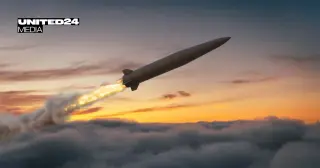
Russia’s missile strikes against Ukraine have intensified by exploiting Kyiv’s limited ballistic-missile interceptors, allowing Iskander- and KN-23-type missiles to slip past defenses while Ukraine pleads for more Patriot interceptors and co-production with the United States. The threat is compounded by the repurposing of S-400 missiles, a dwindling Patriot stock, and reports of North Korea-supplied missiles, signaling a broader, triple-threat mix of ballistic missiles, cruise missiles and drones that increasingly endanger Ukrainian cities as Kyiv considers “Plan B” and “Plan C.”
Ukraine’s intelligence says North Korea plans to deploy about 90 personnel with six launchers and up to 120 KN-23/KN-24 missiles in Russia’s Voronezh region, signaling a deeper Moscow-Pyongyang arms relationship. If confirmed, the move would worsen Kyiv’s air-defense plight as Russia intensifies ballistic missile strikes; Western help, particularly Patriot interceptors, faces production and licensing limits, complicating Ukraine’s defense ahead of winter and potentially enabling longer, higher-volume missile campaigns.
Ukrainian intelligence says Russia is deploying a North Korean missile unit to Russia's Voronezh region to support its war in Ukraine, with about 90 North Korean personnel and up to 120 ballistic missiles and six launchers. Pyongyang has reportedly delivered 40 KN-23/KN-24 missiles, signaling a deepening Moscow-Pyongyang partnership. Analysts say Russia is expanding its use of ballistic missiles in long-range strikes, and the relationship is viewed as one of the axis's most consequential, with final deployment details to be clarified in upcoming talks.
Russia launched a nighttime barrage of ballistic missiles and drones at Kyiv and surrounding areas, killing two and injuring at least 24 as air-raid alerts lasted more than an hour; Kyiv officials say civilians and civilian infrastructure were targeted, with rescue teams examining rubble for those trapped, while Ukraine seeks more Patriot interceptors to defend against such strikes.
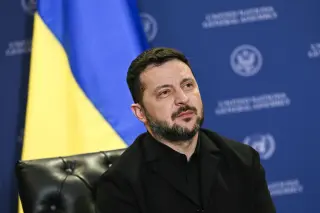
Russia launched one of the war’s heaviest overnight attacks, firing more than 40 missiles and about 120 drones at Ukraine. Kyiv’s forces shot down most ballistic missiles but the strike caused damage in Kyiv, with at least one dead and 15 wounded, highlighting Ukraine’s air-defense shortages. Zelenskyy and officials urged for more Patriot interceptors and tougher sanctions on Moscow, while the EU stalls on a new sanctions package. Ukraine also pressed for a homegrown anti-ballistic system and continued strikes on Russia’s energy infrastructure.
Russia launched its largest ballistic missile assault on Kyiv since the war began, striking six districts, causing fatalities and multiple fires; Ukraine says 18 of 41 missiles were shot down amid a Patriot interceptor shortage, while drones hit Dnipropetrovsk and a passenger train in Zaporizhia as Kyiv pressed for stronger anti-ballistic defenses amid domestic tensions from a cabinet reshuffle.
Ukraine warns Kyiv is defenseless against ballistic missiles after a shortage of Patriot PAC-3 interceptors, as Russia’s July 6 attack deployed 23 ballistic missiles, six Zircon missiles, 39 cruise missiles and hundreds of drones, killing at least 26 people. With Patriot stockpiles strained and some interceptors diverted to the U.S. and Gulf, Ukraine relies on limited defenses while other Western systems can’t counter ballistics and Kyiv’s domestic Freya program is still months from deployment.
ISW reports that Russia launched its fourth large-scale missile-and-drone attack on Ukraine since June 1, overnight July 5–6, with Kyiv heavily targeted and dozens killed or wounded. Russia fired about 419 missiles and drones, including 29 ballistic missiles and 18 strike drones; Ukraine shot down 326 drones and 37 missiles, but ballistic missiles still caused major destruction in Kyiv and other locations. Ukraine lacks sufficient Patriot interceptors and urged Western air-defense support for the NATO summit, with deliveries contracted but not arriving until 2027. Separately, Ukraine conducted its deepest long-range drone strike to date against Russia’s Omsk oil refinery. ISW characterizes the strikes as part of Russia’s Phase Zero strategy to deter Western backing and test NATO resolve, as Moscow also expands operations near NATO assets and intensifies its oil-energy targeting across Ukraine and occupied territories.
China publicly acknowledged a ballistic missile launch from a nuclear-powered Type 094 Jin-class submarine during its annual training, with a dummy warhead landing in a designated area of the Pacific. The test underscores Beijing’s growing sea-based nuclear capability and survivability, drawing concern from Australia, Japan and New Zealand as NATO allies expand Indo-Pacific security ties ahead of a summit. U.S. officials warn that China’s expanding nuclear triad could threaten deterrence, while Washington continues to rely on its mature sea-based deterrent and plans to replace Ohio-class submarines with the Columbia class.
Russia launched ballistic missiles at Kyiv, striking the Kyiv Pechersk Lavra’s Assumption Cathedral and igniting a fire while damaging multiple buildings and causing power outages; at least 19 people were injured. The Lavra, a UNESCO-listed religious and cultural site, has now been hit in a major attack for the second time since WWII, as Moscow continues its campaign against Ukrainian civilians and heritage with no ceasefire in sight.
IDF Chief of Staff Lt.-Gen. Eyal Zamir says Israel is prepared for a potential Iranian ballistic missile attack in the coming hours, following Israeli strikes in Beirut; the home front should stay on high alert though no immediate restrictions were announced. If Iran attacks, Israel would respond with airstrikes, and there is an expectation of U.S. involvement to prevent a broader war.