
Map Wars: The Global Fracture Over Lake Ontario's Name
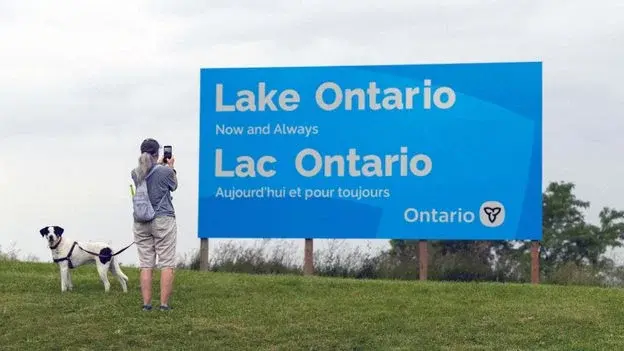
President Trump’s executive order renaming Lake Ontario to 'Lake America' has created a fragmented geographic reality, with US federal databases and some digital maps adopting the new name while Canada, local US jurisdictions, and many private mapping services retain the traditional name.
Key points
- The name change was ordered by President Trump following failed US-Canada trade negotiations, mirroring his earlier renaming of the Gulf of Mexico.
- The US federal Geographic Names Information System (GNIS) now lists 'Lake America,' influencing Google and Apple Maps for US users, while Canadian users continue to see 'Lake Ontario.'
- Private mapping services like MapQuest have refused to adopt the new name, citing user familiarity, which boosted its app downloads to over 1.5 million in the US and Canada.
- Local US entities, including Oswego County and the Lake Ontario National Marine Sanctuary, are retaining the original name to avoid rebranding costs and preserve historical continuity.
- The Seneca Nation opposed the change, emphasizing the lake's Indigenous name, 'sga:nyodai:yoh,' and its status as traditional Indigenous land.
Background
This dispute follows a pattern of US-Canada tensions, including the 2025 renaming of the Gulf of Mexico to the 'Gulf of America.' Previous coverage noted Ontario Premier Doug Ford’s public pushback and local US businesses refusing to change their names, highlighting a broader trend of contested place names used as geopolitical tools.
How outlets are covering it
BBC emphasizes the logistical and diplomatic complexities of the name change, noting that international bodies like the International Hydrographic Organization do not adjudicate such disputes, allowing multiple names to coexist. The New York Times frames the move as part of a broader global pattern of contested place names tied to political disputes, while Fox News highlights public resistance, such as a Canadian fan’s protest sign at a basketball game, and Trump’s justification that the US is the 'greatest protector' of the Great Lakes. Outlets differ in focus: BBC and NYT analyze the structural and historical implications, whereas Fox News centers on the political confrontation and public sentiment.
Why it matters
The dispute illustrates how geographic naming can serve as a proxy for sovereignty and power, potentially eroding diplomatic trust between the US and Canada. It also highlights the practical costs of rebranding for local governments and businesses, as well as the limits of federal authority over private and international naming conventions.
What to watch
The name change is likely to persist in a state of coexistence, with US federal entities using 'Lake America' and most other jurisdictions retaining 'Lake Ontario.' The diplomatic and economic fallout from the trade war may continue to influence such symbolic gestures, but the long-term impact on the lake’s name remains uncertain.
- Lake Ontario/Lake America: What happens when a place has two different names? BBC
- How MapQuest’s ‘Lake America’ stance sparked a massive App Store surge Fox Business
- What app surged in downloads after Trump's 'Lake America' change? The quiz knows NPR
- Lake Ontario Is One of Many Bodies of Water Caught in a Naming Fight The New York Times
- Canadian fan disses Trump's Lake America renaming at FIBA Women's World Cup with sign | OutKick Fox News
Want the full story? Read the original reporting
Read on BBC