
Gulf-Iran Hormuz talks stall as Bahrain boycotts and Houthi attacks escalate
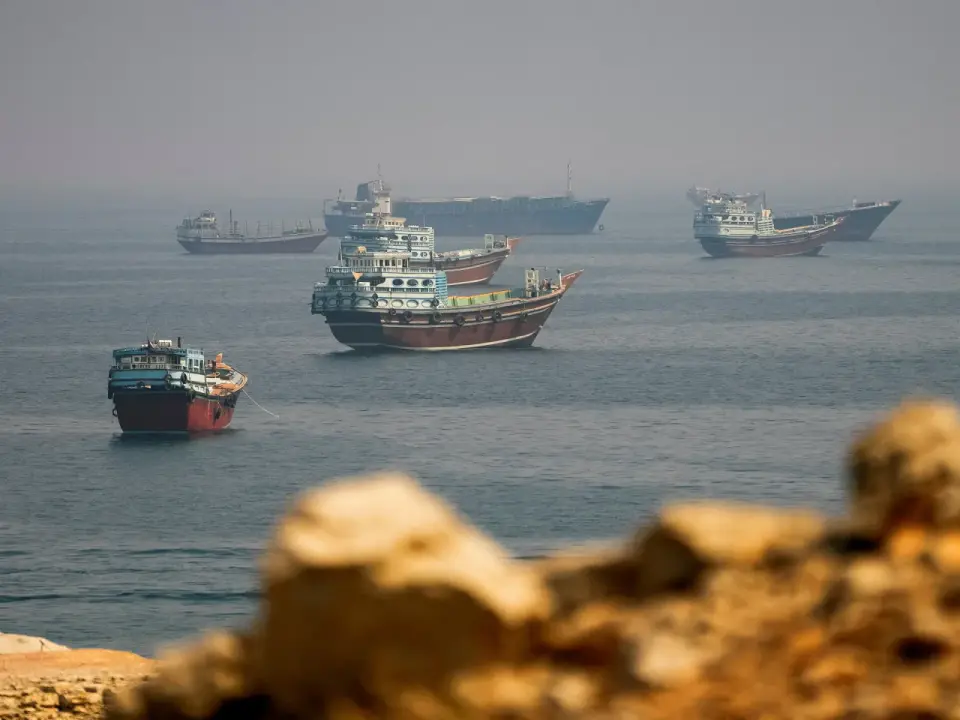
A planned summit in Oman to negotiate the reopening of the Strait of Hormuz has been postponed, with Bahrain formally boycotting the event due to unresolved security grievances. While Iran and Gulf states aim to finalize a shipping framework without US involvement, the meeting’s cancellation coincides with renewed Houthi attacks on Saudi Arabia and conflicting reports of vessel strikes in the strait. The diplomatic deadlock persists as Iran demands recognition of its control over the waterway, while the US insists on focusing negotiations on nuclear issues rather than maritime logistics.
Key points
- Oman postponed the Monday summit between Iran and GCC states, citing a request from Saudi Arabia, though Iran and Gulf diplomats had hoped to present a new shipping route framework.
- Bahrain announced it would not attend the meeting, stating it will not participate in collective talks with Iran until diplomatic ties are restored, a stance rooted in recent Iranian attacks on its infrastructure.
- Iran’s Foreign Minister Abbas Araghchi warned that any agreement with Oman on shipping routes does not signal a full reopening of the strait, which remains closed until the US lifts naval blockades and sanctions.
- Yemen’s Houthi movement launched new missile and drone attacks on Saudi Arabia, targeting military airbases in retaliation for Saudi airstrikes, further straining regional security and oil supply chains.
- The US administration has refused to join the regional talks, insisting that negotiations should focus on Iran’s nuclear program rather than the strait, while claiming military control over the waterway despite ongoing Iranian threats.
Background
This development follows months of diplomatic efforts to resolve the Strait of Hormuz crisis, which began after the US and Israel launched military operations against Iran in February 2026. Earlier archive coverage noted Iran’s attempts to engage GCC allies in Oman to foster regional security, while recent BRICS meetings in Delhi signaled a desire for de-escalation between Iran and the UAE. The current standoff represents a continuation of the broader conflict that has disrupted global energy supplies and led to a 95% drop in daily shipping traffic through the strait since the war began.
How outlets are covering it
Al Jazeera emphasizes the diplomatic significance of the meeting as a sign of Iran’s intent to resolve regional security issues without foreign intervention, highlighting Bahrain’s boycott as a major obstacle. CNN focuses on the US exclusion from the talks, noting that while the US claims control of the strait, regional diplomats view the Omani framework as a necessary step toward eventual nuclear negotiations. U.S. News & World Report highlights the immediate security fallout, linking the postponement to escalating Houthi attacks on Saudi Arabia and conflicting reports of vessel damage in the strait, which underscore the volatility of the situation. While Al Jazeera and CNN focus on the diplomatic and strategic implications, U.S. News & World Report centers on the humanitarian and economic consequences of the conflict, including the displacement of Yemenis and the potential for a 4% reduction in global oil supply.
Why it matters
The postponement of the Hormuz talks signals a deepening diplomatic rift between Iran and its Gulf neighbors, particularly Bahrain, which has refused to engage until security guarantees are met. This deadlock threatens to prolong the closure of the strait, which carries 20% of global oil exports, potentially exacerbating energy price volatility and supply chain disruptions. The concurrent Houthi attacks on Saudi Arabia indicate that the conflict is spreading beyond the Iran-US axis, posing a new front that could further destabilize the region and complicate US efforts to manage the crisis without direct military intervention.
What to watch
Diplomatic efforts to revive the Oman-hosted talks may continue, but progress is unlikely without a resolution to Bahrain’s security concerns and a shift in US policy regarding the strait. Iran may continue to leverage its control over the waterway to pressure the US into lifting sanctions, while the US may maintain its stance that the strait is under its control. The Houthi attacks on Saudi Arabia could lead to further military escalation in Yemen, potentially drawing in additional regional actors and complicating the broader conflict. Global oil markets may continue to experience volatility as traders assess the risk of prolonged supply disruptions.
- Iran-GCC summit: What’s behind the meeting, why is Bahrain not attending? Al Jazeera
- Meeting Between Iran, Arab States Postponed as Mideast Diplomacy Stalls The New York Times
- Diplomacy Stumbles With Postponement of Meeting on Strait of Hormuz Proposal U.S. News & World Report
- Tehran and Muscat delay talks, citing regional consensus need Al Jazeera
- Iran-Gulf talks without US participation on reopening the Strait of Hormuz postponed, Omani official says CNN
Want the full story? Read the original reporting
Read on Al Jazeera