
South Korea Rejects U.S. Pressure for Military Support in Iran Conflict
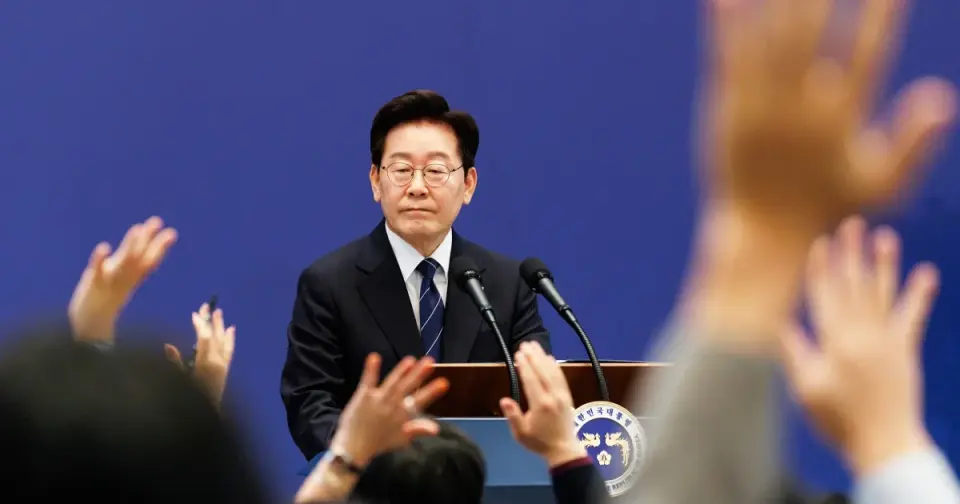
South Korean President Lee Jae Myung has firmly rejected U.S. President Donald Trump’s demands for military support in the ongoing conflict with Iran. Lee stated that Seoul will not deploy troops or combat assets to the Middle East, though it may expand the scope of its existing anti-piracy naval presence near the Red Sea to protect commercial shipping. This decision comes amid significant diplomatic friction, as Trump has scaled back joint military drills and criticized Seoul’s lack of assistance. Simultaneously, Lee is navigating stalled negotiations over a $350 billion U.S. investment deal and facing domestic backlash over falling approval ratings and stalled economic reforms.
Key points
- President Lee Jae Myung explicitly ruled out deploying military assets to the Middle East to avoid entering the war with Iran.
- Seoul is considering expanding the operational scope of its naval destroyer and support ships, currently stationed off Somalia for anti-piracy duties, to protect South Korean commercial vessels and crude shipments in the region.
- U.S. President Donald Trump has criticized Seoul for insufficient support, recalling that Lee refused his request for 'a little hand' in the conflict, and has consequently scaled back major joint military exercises between the two nations.
- Negotiations over a bilateral trade deal, which involves $350 billion in South Korean investments in U.S. manufacturing in exchange for reduced tariffs, are nearing an agreement but remain stalled over commercial viability and profit-sharing details.
- Lee Jae Myung’s approval rating has dropped to 37 percent, driven by domestic economic struggles, including a stock market crash and rising housing costs, as well as tensions with Washington.
Background
This development follows a series of U.S. military adjustments in the region. In August 2026, the U.S. significantly cut back on joint military drills with South Korea, including the Ulchi Freedom Shield and Ssangyong exercises, citing resource strains from the Middle East conflict. Additionally, U.S. officials have been quietly discussing a leaner permanent military footprint in the Middle East, potentially shifting defense burdens to regional partners. These moves have heightened anxieties in Seoul regarding the sustainability of U.S. security commitments in Asia.
How outlets are covering it
While all three outlets report Lee’s refusal to deploy troops, they emphasize different aspects of the diplomatic fallout. NBC News and The Guardian focus on the immediate rejection of military involvement and the ongoing, albeit stalled, negotiations regarding the $350 billion trade deal. The New York Times provides a broader context, highlighting the domestic political risks for Lee, noting that his approval rating has plummeted to 37 percent due to economic failures and strained relations with Washington. The NYT also details the historical precedent of domestic backlash against U.S.-led deployments, referencing the 2003 Iraq War, and notes that 55 percent of South Koreans oppose troop deployment to the Iran conflict. The outlets agree that while Seoul is willing to protect its commercial shipping, it is firmly against combat involvement, a stance that has unsettled the U.S. alliance.
Why it matters
This decision underscores the fragility of the U.S.-South Korea alliance under the current administration. By refusing to support the Iran war, South Korea is prioritizing domestic stability and commercial interests over U.S. military demands, potentially straining the decades-old partnership. The stalled trade negotiations and reduced military cooperation could have long-term implications for regional security in East Asia, particularly regarding North Korea, and may signal a shift in how traditional allies respond to U.S. pressure in global conflicts.
What to watch
Seoul is expected to hold a parliamentary briefing on the U.S. investment plans next week, as negotiations over the trade deal continue. Lee Jae Myung has indicated that a meeting between Trump and North Korean leader Kim Jong-un is possible in the coming months, though many factors must align. Domestically, Lee faces continued pressure to address economic issues and manage his declining approval ratings, while the U.S. may further adjust its military posture in the region based on the outcome of the Iran conflict.
- South Korean president rules out military involvement in Middle East conflict NBC News
- Rejecting Trump, South Korean Leader Says He Will Not Send Troops to Iran The New York Times
- South Korea will not send military to support US war on Iran, defying Trump pressure The Guardian
- South Korea President Seeks Reset After Approval Rating Nosedive Bloomberg.com
- Dispatch from Seoul: How Asian allies can help the US with Iran Atlantic Council
Want the full story? Read the original reporting
Read on NBC News