
Seoul Rejects US Pressure for Iran War Deployment, Focuses on Hormuz Navigation
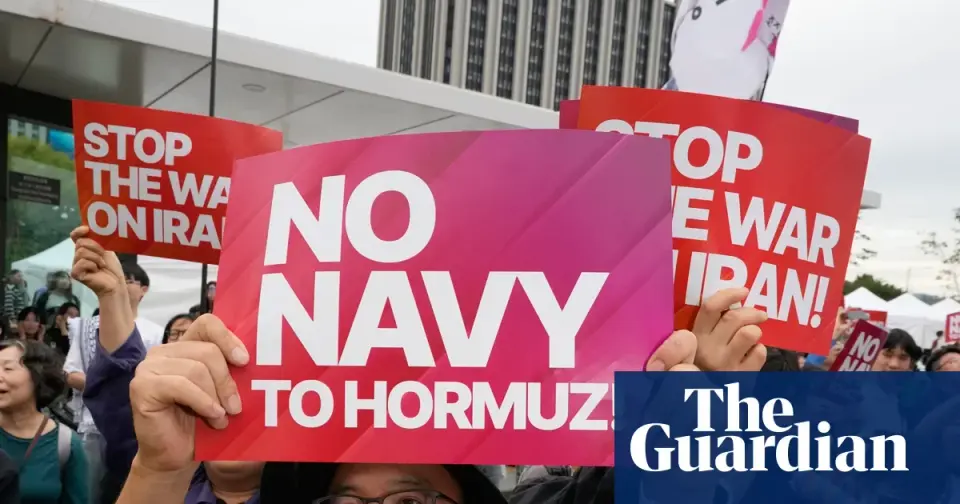
South Korean President Lee Jae Myung has definitively ruled out sending troops or combat assets to the Middle East to support the US war on Iran, defying direct pressure from President Donald Trump. While Lee affirmed Seoul’s commitment to protecting its commercial shipping and crude shipments in the Strait of Hormuz, he emphasized that any naval presence would be limited to non-combat navigation safeguarding. This decision comes amid strained US-South Korea relations, with Trump having previously scaled back joint military drills and criticized Seoul’s lack of support. Lee also noted that negotiations over a $350 billion US investment deal remain stalled due to commercial viability concerns, though both sides are nearing an agreement.
Key points
- President Lee Jae Myung stated there will be no deployment of military assets to enter or support the war in Iran.
- Seoul is reviewing expanding its anti-piracy naval presence off Somalia to protect commercial shipping in the Strait of Hormuz, but explicitly excluding combat operations.
- Trump criticized Seoul for insufficient support and previously scaled back major joint military drills, calling them 'hostile' to North Korea.
- Negotiations over a $350 billion US investment package, tied to reduced tariffs, are nearing an agreement but face sticking points over commercial viability.
- Lee expressed openness to a potential meeting between Trump and North Korean leader Kim Jong-un, though North Korean state media has remained silent on the matter.
Background
This development follows a series of tensions in the US-South Korea alliance earlier in 2026. In August, President Trump ordered a substantial reduction of the Ulchi Freedom Shield joint military exercises, citing cost and his relationship with Kim Jong-un, while Seoul warned that downsizing could weaken deterrence. Additionally, a major amphibious drill was halted due to force-availability constraints linked to the Iran war. These actions preceded Lee’s current refusal to deploy troops, reflecting a broader pattern of friction over Seoul’s role in US-led conflicts.
How outlets are covering it
The Guardian and NBC News focus on Lee’s firm rejection of combat deployment and his emphasis on protecting commercial shipping, highlighting domestic opposition to intervention. The New York Times provides deeper context on Lee’s declining approval ratings (37%) and the political risks of deployment, noting that 55% of South Koreans oppose sending troops. The Jerusalem Post emphasizes the diplomatic channel, reporting that Foreign Minister Cho Hyun reaffirmed Seoul’s willingness to contribute to free passage in the Strait of Hormuz during talks with US Secretary of State Marco Rubio, framing the issue as a negotiation rather than a refusal. All sources agree that the $350 billion investment deal remains a key point of contention, with Lee insisting on 'commercially reasonable' terms.
Why it matters
This decision tests the resilience of the US-South Korea alliance amid US pressure for allied support in the Iran conflict. It highlights the limits of US leverage over traditional allies when domestic political costs are high. The outcome could influence future US expectations of allied contributions in regional conflicts and may impact the broader US-South Korea trade and security relationship, including the implementation of the $350 billion investment deal and joint military readiness against North Korea.
What to watch
Seoul is expected to finalize the details of its naval presence in the Strait of Hormuz, focusing on non-combat navigation support. Negotiations over the $350 billion US investment deal are expected to continue, with a parliamentary briefing scheduled for next week. Diplomatic efforts to facilitate a potential meeting between Trump and Kim Jong-un will proceed, though North Korea’s response remains uncertain. The US may continue to pressure Seoul for greater support, potentially affecting the scope of future joint military exercises and trade agreements.
- South Korea will not send military to support US war on Iran, defying Trump pressure The Guardian
- South Korean Leader Says He Will Not Send Troops to Iran, Despite Trump’s Call nytimes.com
- South Korean president rules out military involvement in Middle East conflict NBC News
- Seoul affirms intent to help US with Strait of Hormuz The Jerusalem Post
- Joint Press Statement for the 29th Korea-U.S. Integrated Defense Dialogue U.S. Department of War (.gov)
Want the full story? Read the original reporting
Read on The Guardian