
Starshield Outage Exposes Ukraine's Critical Dependence on US Tech
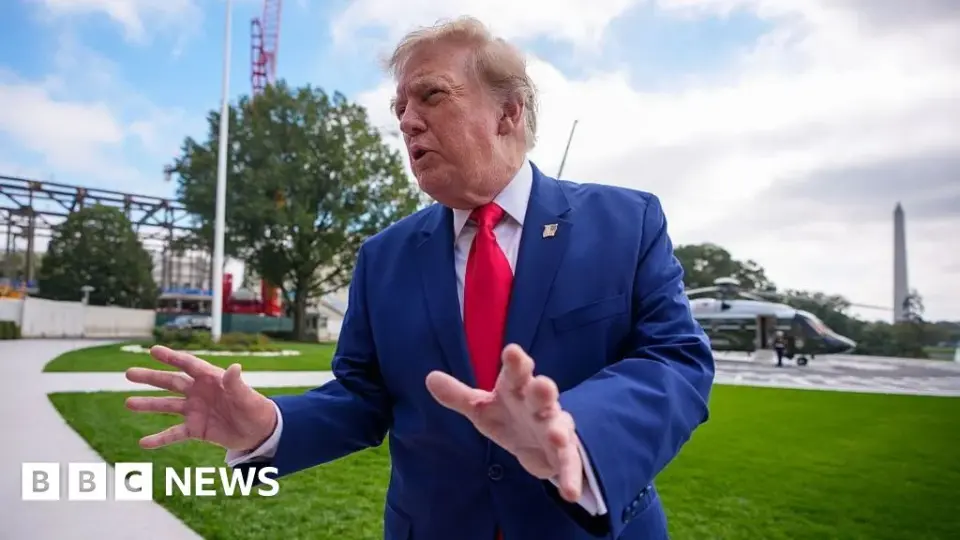
Ukraine’s air defenses were crippled when Starshield satellite internet was throttled, limiting drone speeds to 100 mph. While President Trump denied White House involvement, Reuters and Elon Musk suggested US officials ordered the restriction. The incident highlighted Ukraine’s lack of alternative satellite infrastructure, prompting EU leaders to accelerate independent defense networks.
Key points
- Starshield connectivity was restricted, disabling Ukrainian interceptor drones moving faster than 100 mph and leaving 600,000 people without power during Russian strikes.
- Trump denied ordering the throttle, but Reuters cited US officials and Musk suggested the White House was responsible; a US official told Politico no such request came from the President.
- Ukraine has no immediate terrestrial or alternative satellite replacement, with European projects like IRIS2 not launching until 2029.
- Zelenskyy requested €70 billion in EU defense funding, noting the war will cost €155 billion next year, while Trump previously called Zelenskyy 'more difficult to deal with than Putin'.
Background
This incident follows escalating tensions between Washington and Kyiv over a US-Russia diesel deal and resumed Ukrainian strikes on Russian oil refineries. Previous coverage noted that US intelligence sharing is crucial for Kyiv’s defenses, and recent disputes have threatened the stability of US support for Ukraine’s fifth winter of war.
How outlets are covering it
Outlets disagree on the origin of the throttle. The BBC and Axios report Trump’s denial, while Reuters and The Atlantic emphasize evidence pointing to White House or Pentagon involvement. The Atlantic highlights the strategic vulnerability of relying on a single US provider, whereas Politico focuses on the lack of near-term alternatives, noting that even Amazon’s Leo network is controlled by another US billionaire. The BBC frames the issue within broader diplomatic friction, including Trump’s criticism of Zelenskyy and EU efforts to secure independent satellite capabilities.
Why it matters
The Starshield outage revealed a critical vulnerability in Ukraine’s defense infrastructure, demonstrating how dependent Kyiv remains on US-controlled technology. This dependency complicates diplomatic negotiations and highlights the risks of relying on a single provider for national security. The incident has accelerated European efforts to develop independent satellite networks and increased pressure on the US to maintain support for Ukraine’s defense capabilities.
What to watch
A bipartisan group of US senators has demanded an investigation into the network disruptions. The EU is fast-tracking antitrust approval for its IRIS2 satellite project, though it is not expected to launch until 2029. Zelenskyy continues to seek €70 billion in defense funding from the EU to mitigate reliance on US infrastructure. The US administration faces pressure to clarify its role in the Starshield restrictions and maintain support for Ukraine’s defense operations.
- Trump denies limiting Ukraine access to Starlink network BBC
- Trump says neither he nor Musk responsible for Ukraine loss of Starlink access Reuters
- What the Loss of Starshield Revealed The Atlantic
- Trump: White House didn't impede satellite system in Ukraine Axios
- Ukraine’s got no quick fix for SpaceX Politico
Want the full story? Read the original reporting
Read on BBC