
Transatlantic rift deepens as Trump’s Russian diesel deal faces legal and diplomatic backlash
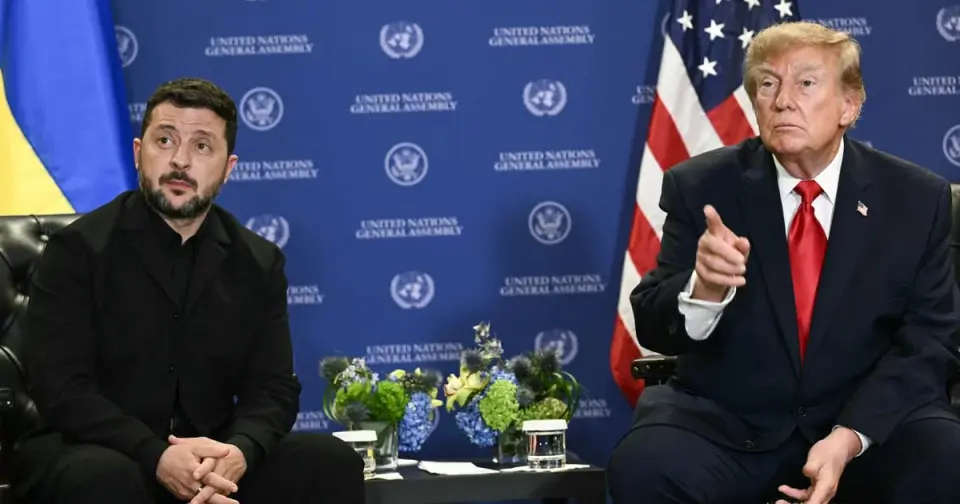
President Donald Trump’s announcement of a deal to import hundreds of thousands of tons of Russian diesel has triggered a sharp transatlantic crisis. European leaders and a bipartisan group of U.S. senators have condemned the move, with some arguing it violates the 2022 ban on Russian energy imports. While Washington frames the deal as a solution to high fuel costs ahead of midterm elections, Kyiv and Brussels argue it funds the Russian war effort and undermines the 'energy ceasefire' claim, which Ukraine says it was not informed about.
Key points
- Trump announced a deal for Russia to supply 300,000 tons of diesel, with the Treasury issuing a license allowing imports through April 2027.
- A bipartisan group of senators, including Republicans Susan Collins and Thom Tillis, demanded the deal be reversed, citing the 2022 congressional ban on Russian energy imports.
- European foreign ministers, including Lithuania’s Kęstutis Budrys and Germany’s Gunther Krichbaum, rejected the deal, stating it funds Russian weapons and breaks transatlantic unity.
- Ukrainian President Volodymyr Zelensky stated Kyiv was not informed of the alleged 'energy ceasefire' and suggested the U.S. should instead buy diesel from Ukraine.
- The IMF estimates Ukraine faces a financing gap of $30 billion to $35 billion next year, a topic to be discussed at a European Council meeting on Thursday.
Background
This dispute follows a series of diplomatic frictions in early October regarding global fuel supplies. In early October, the G7 agreed to release 100 million barrels of reserves after Trump threatened to ban U.S. diesel exports to Europe. European leaders had privately criticized that move as 'blackmail' but conceded to avoid supply chain disruptions. The current Russian diesel deal is seen as a further escalation of U.S. pressure to lower domestic energy prices ahead of the November midterm elections, where cost-of-living concerns are a major factor.
How outlets are covering it
Outlets highlight different dimensions of the backlash. POLITICO emphasizes the diplomatic rebuke from European capitals, noting that Lithuanian and Irish ministers called the deal 'concerning' and contrary to the 'European way.' The Washington Post focuses on the domestic U.S. political fallout, noting that several Republican lawmakers are supporting Ukraine and criticizing the administration's handling of the Zelensky relationship. NBC News centers on the legal challenges, quoting Senator Thom Tillis, who stated he believes the deal may be breaking the law and could put American lives at risk by funding Russian mercenaries. While all sources agree on the opposition to the deal, they differ in emphasis: Europe focuses on the violation of sanctions and unity, U.S. lawmakers focus on statutory legality, and Ukraine focuses on the lack of consultation and the funding of the war.
Why it matters
The decision to import Russian diesel directly challenges the post-2022 sanctions regime and risks fracturing the transatlantic alliance at a critical moment. It provides Moscow with a significant financial lifeline to sustain its war effort against Ukraine, potentially prolonging the conflict. Furthermore, the legal challenges from U.S. senators and the diplomatic isolation from Europe could force a reversal of the policy, creating uncertainty in global energy markets and complicating the U.S. approach to the upcoming midterm elections.
What to watch
The U.S. Senate is expected to debate the legality of the Treasury’s license to import Russian diesel, with some senators threatening to withhold support for year-end funding if the deal is not reversed. In Brussels, European heads of state will meet on Thursday to discuss Ukraine’s $30 billion financing gap, likely using the platform to demand harsher sanctions on Russia. Ukraine is expected to continue its diplomatic push to secure alternative energy deals with the U.S. and to highlight the lack of a genuine 'energy ceasefire' as Russian strikes on power infrastructure continue.
- ‘This deal doesn’t help’: Europe slams Trump’s plan to buy Russian diesel POLITICO.eu
- Bipartisan group of senators demands Trump kill Russian diesel deal Politico
- Explainer: What is the diesel deal between Putin and Trump? Reuters
- Trump’s Zelensky attack, Russia diesel deal draw criticism in U.S. and abroad The Washington Post
- Lawmakers push back on Trump’s fuel deal with Russia NBC News
Want the full story? Read the original reporting
Read on POLITICO.eu