
Trump Blames Zelenskyy for Fuel Crisis as Europe Faces Financing Gap
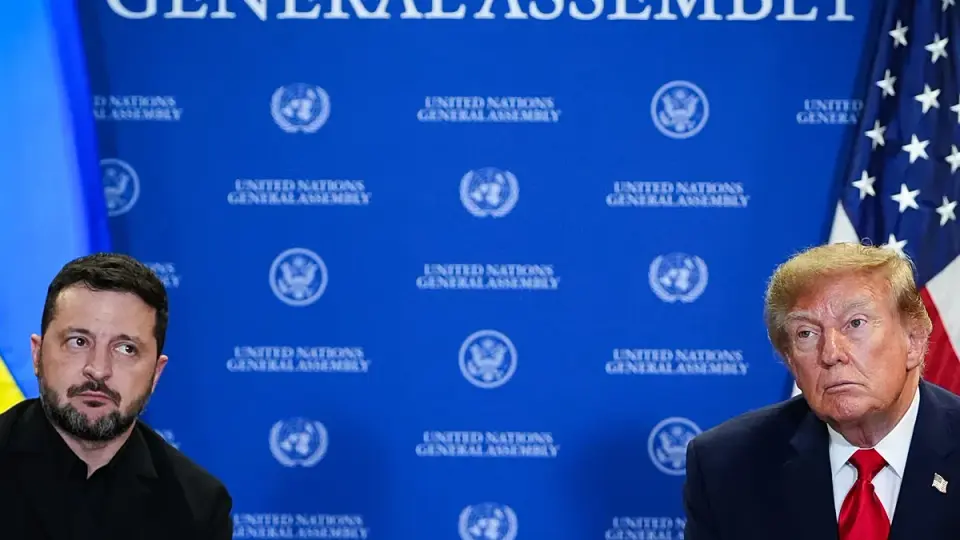
US President Donald Trump has intensified pressure on Ukrainian President Volodymyr Zelenskyy, blaming Kyiv for rising fuel prices and demanding an immediate energy ceasefire. This diplomatic strain coincides with a severe financial crisis for Ukraine, which faces a €155 billion cost for next year’s war, with Europe expected to cover €70 billion. While Trump seeks to ease Russian diesel sanctions to lower US gas prices, Ukraine argues that halting strikes on Russian refineries is impossible while Moscow continues to attack Ukrainian power grids. European leaders are now scrambling to find funding mechanisms, including new debt, as public support for aid wanes due to economic fatigue.
Key points
- Trump announced a unilateral 'energy ceasefire' and lifted sanctions on Russian diesel to lower US gas prices, which hit $4.27 per gallon this week.
- Zelenskyy described the ceasefire announcement as news to him, noting that Ukraine has only one functional refinery compared to Russia’s vast network.
- Ukraine estimates the cost of the war for 2027 at €155 billion, requiring €70 billion in European financing, as US assistance has ceased.
- US envoys Steve Witkoff and Jared Kushner reportedly threatened to cut off intelligence sharing if Ukraine continues striking Russian refineries.
- European leaders, including France’s Marine Le Pen, are resisting further financial contributions, citing domestic economic constraints and voter fatigue.
Background
This escalation follows months of tension, including September disputes over diesel prices and Starlink speed caps that hampered Ukrainian drone defense. Previous coverage noted that Trump had already blamed Ukraine for global fuel shortages, ignoring the impact of the US-Iran conflict, while Russia accused Europe of blocking peace talks.
How outlets are covering it
Euronews frames Trump’s actions as a desperate attempt to deflect blame for domestic economic issues, particularly rising gas prices linked to the US-Iran war, onto Zelenskyy. It highlights the hypocrisy of Trump’s rhetoric, noting he has never used similar language against Vladimir Putin. Axios, however, focuses on the operational reality, describing the 'refinery for refinery' proposal as lopsided and noting that White House officials believe Ukraine’s strikes are damaging its relationship with Washington more than they are hurting Russia. While Euronews emphasizes the moral and strategic failure of the US approach, Axios highlights the tangible consequences for Ukraine’s military support, including potential cuts to weapons sales and intelligence sharing.
Why it matters
The situation threatens to collapse the transatlantic support structure for Ukraine. If Europe cannot secure the necessary €70 billion, Ukraine may be forced to accept unfavorable terms or face a military disadvantage. Simultaneously, the US move to ease Russian sanctions without reciprocal concessions from Moscow could embolden Russia and undermine the international sanctions regime, potentially altering the global energy market and security architecture.
What to watch
European leaders are expected to present financing options to the European Commission by November to address the funding gap. The US is expected to decide soon whether to proceed with the proposed weapons sales through NATO, contingent on Ukraine’s compliance with the energy ceasefire. Ukraine will likely continue to resist unilateral concessions, demanding reciprocal actions from Russia regarding attacks on its power grid.
- Off the Record: Trump blames Zelenskyy to cover up his own mess in a dramatic week for Ukraine Euronews.com
- Ukraine's resumption of strikes on Russian refineries is 'disgrace', Trump says Reuters
- Trump bears down on Zelensky as Russia keeps up attacks on Ukraine Axios
- Trump’s October Surprise The Atlantic
- The Rupturing Trump-Zelensky Relationship Stands to Hurt Ukraine and Its European Allies The New York Times
Want the full story? Read the original reporting
Read on Euronews.com