
Iran insists on Hormuz reopening despite US claims of open strait
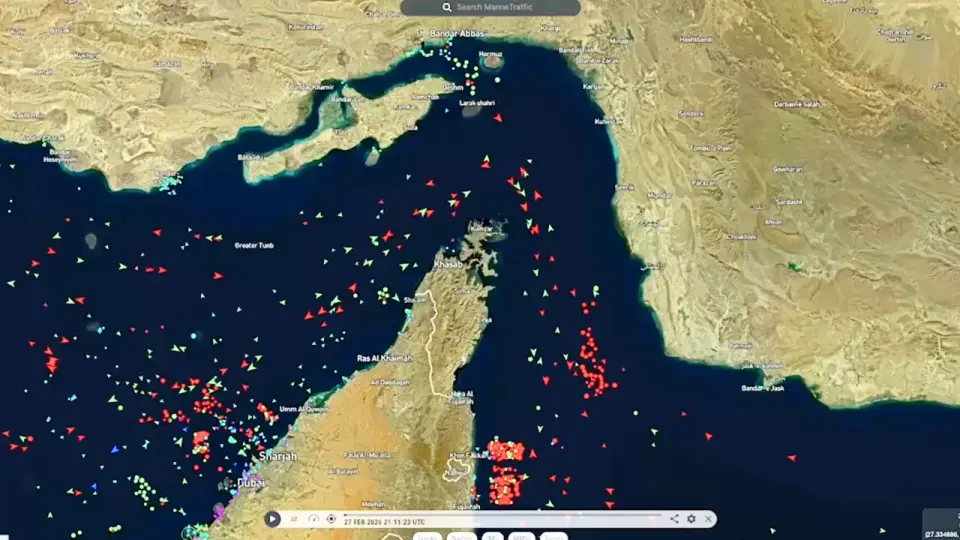
Iran maintains its proposal to reopen the Strait of Hormuz within seven days, a plan the US rejects as the waterway remains open for 97% of traffic. While Tehran demands US withdrawal from the region, Washington insists the strait is free and accuses Iran of failing to close it. The standoff continues amid Houthi attacks on Saudi Arabia and new US military planning for potential strikes.
Key points
- Iranian Foreign Minister Abbas Araghchi stated that Tehran's seven-day proposal to reopen the Strait of Hormuz remains on the table, contingent on US acceptance of Iranian conditions.
- US Central Command spokesperson Tim Hawkins reported that 97% of ships have transited the strait successfully, refuting Iranian claims of control and noting that Iranian attacks are largely unsuccessful.
- Iranian President Masoud Pezeshkian denied seeking nuclear weapons and expressed readiness for dialogue, while condemning US sanctions as unjustifiable.
- Iran's parliament appointed Mehrdad Akhlaqi Ketabchi as the new defense minister, replacing an interim leader after the previous minister was killed in US-Israeli strikes in February.
- Houthi attacks on Saudi Arabia have intensified, targeting Riyadh's airport and Saudi Aramco facilities, resulting in approximately 20 deaths in recent weeks.
- The White House and Pentagon have prepared plans to use the Massive Ordnance Air Blast bomb on Iranian military sites if ordered by President Trump.
Background
The current diplomatic stalemate follows an eight-month war that began in February 2026. Previous attempts to reach a ceasefire collapsed, leading to a surge in maritime violence in the Strait of Hormuz. While oil flows had briefly rebounded to near pre-war levels in late September, global fuel prices remain elevated due to insurance costs and shrinking inventories. Iraq has reported losing $60 billion in oil export revenue due to the conflict's impact on shipping routes.
How outlets are covering it
Fox News emphasizes the US military's success in keeping the strait open and highlights Trump's defense of military action despite political risks. CBS News focuses on Iran's denial of nuclear ambitions and the broader regional fallout, including Houthi attacks and economic impacts on Iraq. The Jerusalem Post highlights Iranian threats against the US and Israel, as well as domestic political shifts in Israel. CNBC notes the IRGC's aggressive rhetoric regarding sinking US warships and the potential for renewed conflict before the US midterm elections.
Why it matters
The Strait of Hormuz is a critical global shipping route carrying roughly one-fifth of the world's oil and liquefied natural gas. The ongoing dispute threatens global energy stability and could escalate into further military conflict. Additionally, the Houthi attacks on Saudi Arabia are disrupting regional security and affecting global oil supply chains, contributing to high fuel prices worldwide.
What to watch
The US is expected to review Iran's proposal, though no immediate response has been confirmed. Iran may proceed with its plan if the US accepts its conditions, potentially leading to a reopening of the strait within six days. Meanwhile, the US and Iran may resume peace talks, though significant hurdles remain, including US demands for nuclear concessions and potential Israeli opposition. The situation could escalate if the US decides to use the Massive Ordnance Air Blast bomb or if Houthi attacks continue to intensify.
- Iran pushing 7-day peace plan but clinging to claims of Strait of Hormuz control Fox News
- Iran urges US to accept proposal to reopen Strait of Hormuz Reuters
- Live Updates: Reported attacks on ships in or near Strait of Hormuz reach record high, data shows CBS News
- Live Updates: Latest from Israel, Iran, and the Middle East The Jerusalem Post
- Iran says it’s ‘counting the moments’ until it can strike U.S. warships; Saudi Aramco facilities attacked CNBC
Want the full story? Read the original reporting
Read on Fox News