
Trump-Putin Call Yields Diesel Deal but Stalls Peace Talks
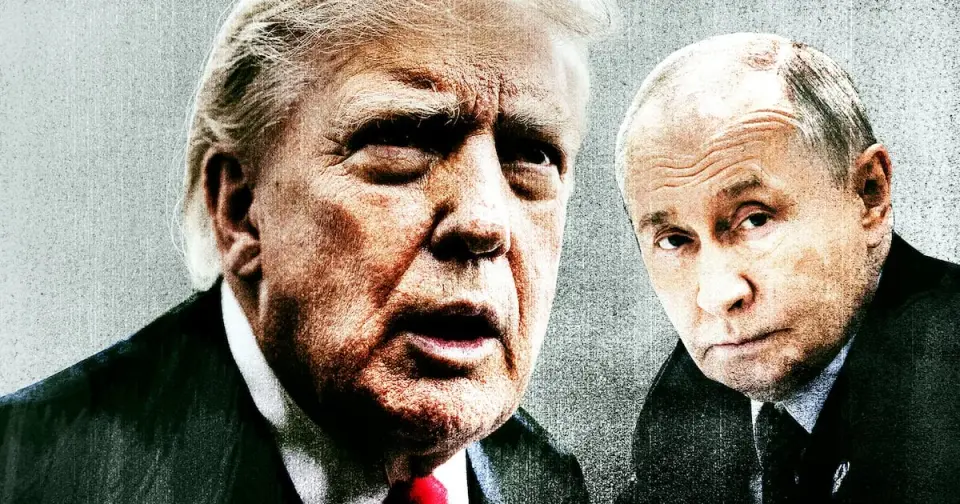
A Friday phone call between Donald Trump and Vladimir Putin resulted in a new Russian diesel supply deal but failed to revive peace negotiations. Putin cited recent Ukrainian drone attacks on Moscow as the reason for halting talks, while critics condemned the fuel agreement as a concession that funds the war.
Key points
- Trump announced Russia will supply over 300,000 tons of diesel to the US and global markets immediately, with more to follow.
- Kremlin aide Yuri Ushakov stated Putin told Trump that immediate peace talks are unlikely due to Ukrainian drone strikes on Moscow during last month's elections.
- Ukrainian President Volodymyr Zelensky criticized the diesel deal as a 'gift to Putin' that funds the war against Ukraine.
- US Secretary of State Marco Rubio described the conflict as a 'dangerous stalemate' but affirmed the US will continue seeking a settlement.
- The UK government vowed to maintain its 'toughest sanctions regime' in response to the new US-Russia energy agreement.
Background
This development follows weeks of diplomatic friction, including Zelensky's UN address in September where he framed Putin as a source of global instability. Earlier this week, tensions also rose over a suspected plague death in Siberia, which prompted Rubio to demand transparency from Moscow. The current diesel deal contrasts with previous US efforts to pressure Russia through sanctions, marking a shift toward economic engagement despite ongoing hostilities.
How outlets are covering it
The Daily Beast framed the outcome as a 'humiliation' for Trump, emphasizing the concession of easing sanctions. In contrast, The Moscow Times and Al Jazeera focused on the Kremlin's justification for pausing peace talks, citing Ukrainian drone attacks. While The Daily Beast highlighted the diplomatic failure, Al Jazeera and The Moscow Times noted the practical outcome of the diesel deal. CBS News provided background on the separate plague lab incident but did not comment on the peace talks. Zelensky and European allies, as reported by Al Jazeera, viewed the deal negatively, arguing it diverts resources to the war effort.
Why it matters
The deal signals a potential shift in US-Russia economic relations, potentially undermining sanctions aimed at curbing Russian war capabilities. The failure to resume peace talks prolongs the conflict, risking further escalation and economic instability in Europe. The controversy highlights the tension between US domestic energy needs and international diplomatic commitments.
What to watch
Negotiators aim to present a new proposal to Russia in the coming weeks, but no immediate peace talks are scheduled. The US and Russia will monitor the diesel supply logistics, while European allies may adjust sanctions in response. The situation in Ukraine remains volatile, with no clear path to a ceasefire.
- Trump Humiliated as Jaw-Dropping Putin Concession Leaks The Daily Beast
- Neither Putin nor Trump wanted to hang up first, Kremlin aide says after 'very friendly' call Reuters
- Putin tells Trump peace talks are unlikely, cites Ukraine drone attacks Al Jazeera
- Putin Downplayed Immediate Ukraine Talks Resumption in Phone Call With Trump, Kremlin Says The Moscow Times
- Russia says it's open to a Trump-Putin call as questions mount over plague lab death CBS News
Want the full story? Read the original reporting
Read on The Daily Beast