
Trump Rejects Iran’s Seven-Day Hormuz Plan, Eyes Post-Midterm Strikes
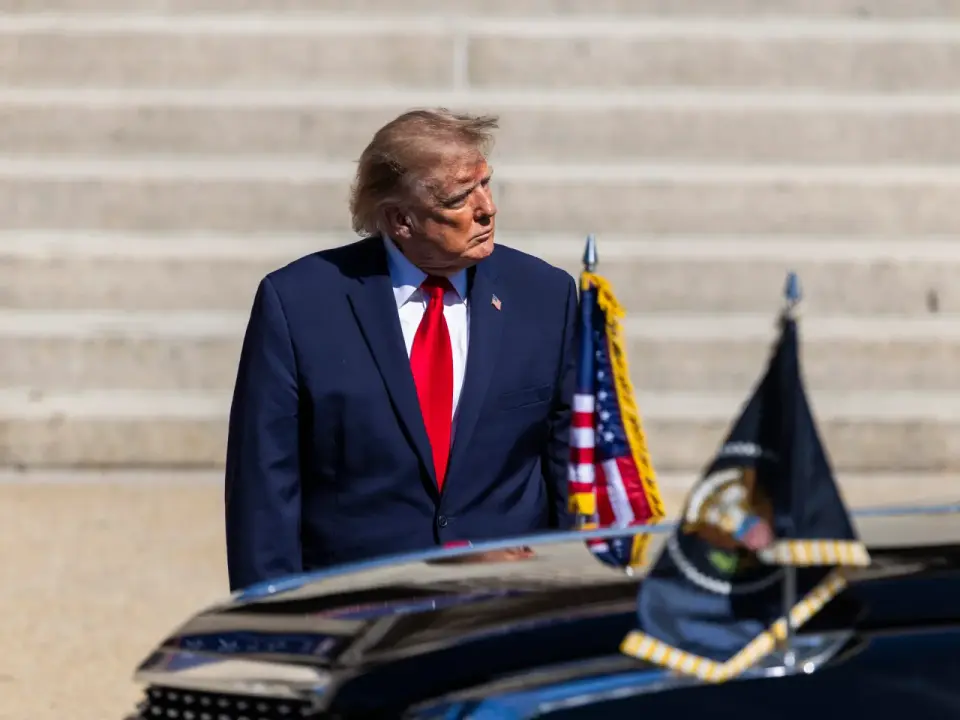
President Donald Trump has reportedly rejected Iran’s proposal to reopen the Strait of Hormuz within a week, according to The Wall Street Journal. The plan, outlined by Iranian Foreign Minister Abbas Araghchi, requires the US to release $12 billion in frozen assets, lift oil sanctions, and end the naval blockade on Iranian ports within four to five days. Trump’s rejection stems from skepticism regarding Iran’s compliance, particularly concerning its nuclear program. Despite the impasse, indirect negotiations continue via Qatari intermediaries, with Trump signaling potential renewed military strikes after the November midterm elections.
Key points
- Iran’s seven-day roadmap demands the US release $12 billion in frozen assets, lift oil sanctions, and end the naval blockade on Iranian ports within four to five days.
- The proposal requires a complete cessation of hostilities, including in Lebanon, during the seven-day period, with formal negotiations on a final deal beginning on day seven.
- The Wall Street Journal reports that Trump rejected the plan, citing doubts about Iran’s willingness to fulfill US demands, particularly regarding its nuclear program.
- A US official told Al Jazeera that Washington is in no hurry to respond, viewing its position regarding the Strait of Hormuz as strong, while Trump posted a map labeling the waterway the 'Trump Strait' on Truth Social.
- Qatar is acting as an intermediary, with its foreign minister speaking to Iranian President Masoud Pezeshkian about de-escalation, while US envoys Jared Kushner and Steve Witkoff held mediated discussions in New York.
- Trump has told aides he expects to launch a new bombing campaign against Iran after the November midterm elections, though he also believes a deal may emerge shortly thereafter.
Background
This development follows a six-month conflict characterized by escalating US-Israel strikes, a naval blockade, and shifting diplomatic postures. In early September, Trump ordered war-crimes trials for Iranian leadership after US strikes on IRGC forces, while Iran warned of a 'decisive war' if its truce conditions were rejected. Previous coverage noted that Trump had no fixed timetable for negotiations, relying on economic pressure, though analysts doubted sanctions alone would force Tehran to the table. The current standoff represents a continuation of this brinkmanship, with the Strait of Hormuz, which carries one-fifth of global oil and gas, remaining a central point of contention.
Why it matters
The rejection of Iran’s proposal risks prolonging the conflict and potentially triggering renewed hostilities after the US midterm elections. The impasse over the Strait of Hormuz threatens global energy supplies, while the lack of progress on nuclear issues maintains a high risk of escalation. The outcome of the November elections may significantly influence Trump’s willingness to pursue unilateral military action or seek a negotiated settlement.
What to watch
Indirect negotiations will likely continue through Qatari intermediaries, but the immediate focus is on the November midterm elections. Trump has indicated he may resume military strikes if his party loses its congressional majority, aiming to avoid appearing to surrender. Iran’s stance remains firm, refusing to discuss its nuclear program until its economic and security demands are met, suggesting a prolonged standoff unless a breakthrough occurs in mediated talks.
- Trump ‘rejects’ Iran’s seven-day ceasefire proposal. What’s next? Al Jazeera
- Exclusive | Trump Rejects Iran Ceasefire, Expects Renewed Bombing After Midterms wsj.com
- Where things stand after Iran's new pitch for a deal to open the Strait of Hormuz 10TV
- Iran war live: Tehran offers US plan to reopen Hormuz within seven days Al Jazeera
- Iran will make no nuclear concessions, Iranian official says Reuters
Want the full story? Read the original reporting
Read on Al Jazeera