
US-Iran Hostilities Pause as Trump Demands Ceasefire and Tehran Faces Internal Fractures
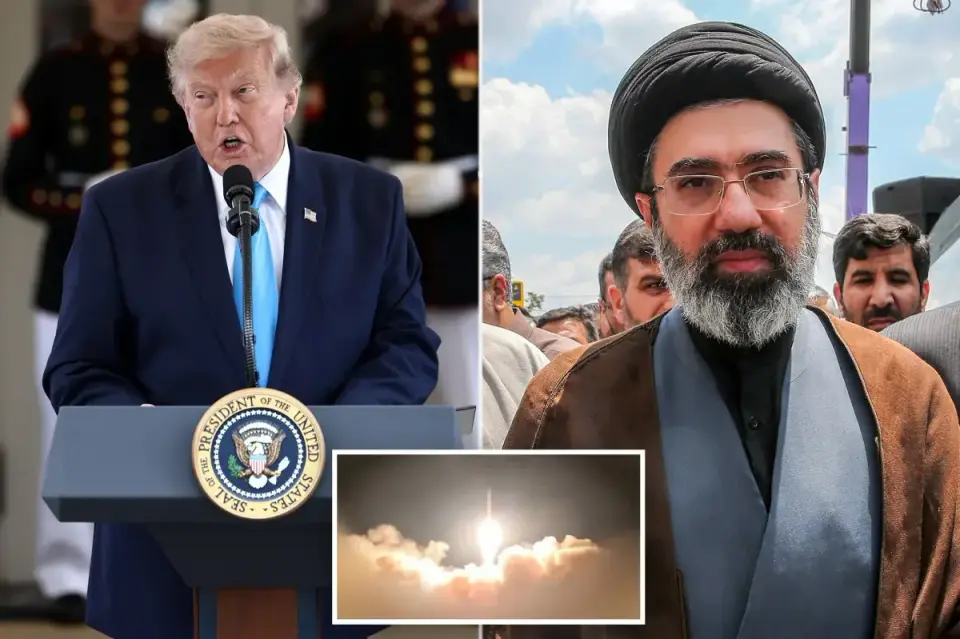
US and Iran have paused active military strikes to allow peace talks to progress, though the truce remains fragile. Washington demands a formal ceasefire as a precondition for negotiations, while Tehran’s internal divisions between civilian leaders and the IRGC complicate diplomacy. The pause has eased oil prices, but risks of escalation persist from proxy conflicts in the Red Sea and Caspian Sea.
Key points
- US Ambassador Mike Waltz confirmed that President Trump is giving talks 'some space' after a two-week pause in US strikes, though he warned the military remains 'locked and loaded.'
- A US official told The New York Post that any negotiation must begin with an Iranian ceasefire, stating that continued attacks on US bases or Gulf allies will result in a 'price to pay.'
- Iran’s internal politics are hindering diplomacy; the IRGC has launched rogue strikes and insists on controlling the Strait of Hormuz, while President Pezeshkian and Foreign Minister Araghchi pursue diplomatic channels.
- CENTCOM struck Iranian military command centers and missile facilities in retaliation for an IRGC attack on a US base in Jordan, aiming to degrade threats to commercial shipping and Gulf states.
- Oil prices fell by approximately 6% following the pause in hostilities, though traffic through the Strait of Hormuz remains severely disrupted, with fewer than 10 ships passing compared to the pre-war average of over 100.
Background
This development follows a period of intense escalation in early July, where US and Iran traded strikes after shipping attacks in the Strait of Hormuz. Recent archive reports noted that the Pentagon’s casualty list omitted four service members, fueling questions about transparency, while the Federal Reserve maintained interest rates amid rising energy costs. The current pause represents a shift from the previous week’s nightly bombing campaigns, though the strategic chokepoint remains contested.
How outlets are covering it
The New York Post emphasizes the US demand for a ceasefire as a non-negotiable starting point, highlighting the 'head for an eye' approach described by Secretary of State Marco Rubio. CNN focuses on the military pause as a diplomatic opportunity, noting that US Ambassador Mike Waltz acknowledged depleted munitions stockpiles while insisting the US has 'everything it needs.' CNBC highlights the economic impact, noting that oil prices dropped 6% but warning that the truce is fragile due to ongoing 'side battles' involving Houthis in Yemen and Ukrainian strikes on Iranian vessels in the Caspian Sea. While all sources agree on the current pause, they differ on its durability: The Post views it as conditional on Iranian compliance, while CNN and CNBC emphasize the risks of escalation from third-party actors.
Why it matters
The pause in US-Iran hostilities offers a temporary reprieve for global energy markets, but the underlying tensions remain unresolved. The internal fractures within Iran’s leadership and the continued disruption of the Strait of Hormuz pose significant risks to global oil supply. If the truce collapses, the resulting escalation could further destabilize the Middle East, impact global inflation, and test the limits of US military resources, as noted by concerns over depleted munitions stockpiles.
What to watch
Diplomatic efforts will continue via technical teams and international mediators, with Oman playing a key role in negotiating transit arrangements for the Strait of Hormuz. The US will monitor Iranian compliance with the ceasefire, while Iran’s civilian and military factions will likely continue to clash over the terms of any potential agreement. The situation in the Red Sea and Caspian Sea will also be critical, as attacks by Houthis and Ukrainian strikes on Iranian vessels could reignite broader conflict.
- Cease-fire Trump wants must begin with Iran — and there will be 'price to pay' for any attacks, US official warns New York Post
- US and Iran pause their attacks after days of escalation AP News
- Trump says US and Tehran having 'good talks' as drones hit Iran's neighbours Reuters
- July 27, 2026 — US pauses new strikes, Iran says no current negotiations with the US CNN
- U.S. and Iran pause fighting, Trump dismisses concerns of dwindling stockpiles CNBC
Want the full story? Read the original reporting
Read on New York Post