
Trump-Xi Summit in Shenzhen Faces AI Chip Scandal and Cabinet Rifts
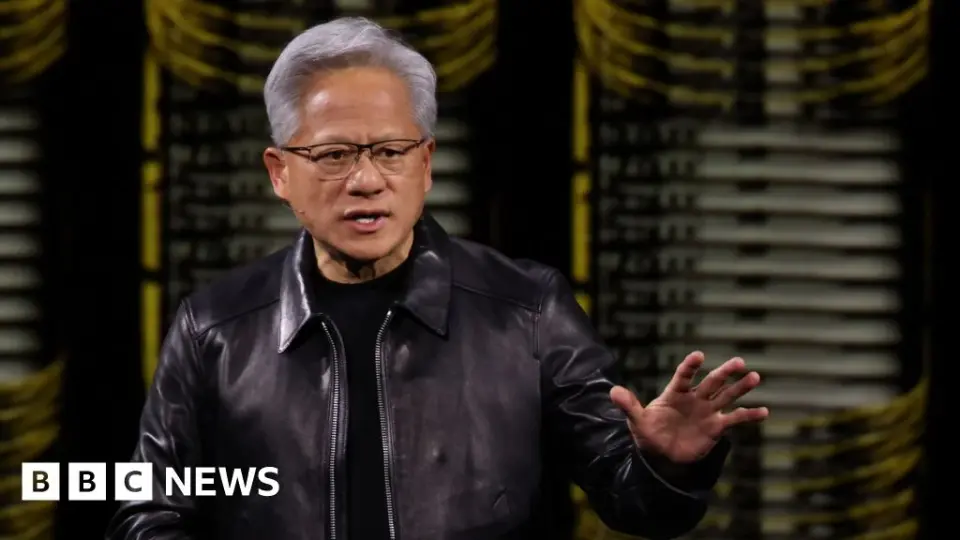
US President Donald Trump and Chinese President Xi Jinping are meeting in Shenzhen for the APEC summit, but the talks are overshadowed by the fallout from the Jensen Huang spy scandal. The controversy has triggered new US export restrictions on Chinese AI firms accessing chips in third countries and exposed a public rift between Treasury Secretary Scott Bessent and Commerce Secretary Howard Lutnick. While Beijing calls the allegations a smear, Washington faces pressure to tighten controls, potentially disrupting the fragile trade détente established in September.
Key points
- Trump and Xi met in Shenzhen on Wednesday, with a trilateral meeting including Russian President Vladimir Putin scheduled for Thursday.
- The Trump administration issued new interim rules restricting Chinese firms from remotely accessing advanced US chips in data centers abroad, such as in Malaysia and Thailand.
- Treasury Secretary Scott Bessent accused Commerce Secretary Howard Lutnick of slow-walking restrictions on the Singapore-based firm Megaspeed, revealing a cabinet disagreement on China policy.
- Jensen Huang resigned as Nvidia CEO on November 12 following an affair with Alice Huang, a former Megaspeed executive suspected of ties to China’s Ministry of State Security.
- Beijing’s foreign ministry dismissed the spy claims as a fabricated narrative designed to justify technological blockades, while Chinese state media compared the incident to the 2023 spy balloon crisis.
Background
This summit follows a September meeting between Trump and Xi, which established a trade truce due to expire in January. The current tensions arise after the midterms, where Democrats gained control of Congress and signaled support for stricter chip export laws. Previous coverage noted that the Huang scandal erased $573 billion in Nvidia’s market value and triggered congressional hearings, linking AI policy to broader voter dissatisfaction.
How outlets are covering it
BBC emphasizes the risk that the scandal could derail the diplomatic momentum and trigger a cycle of retaliation, particularly regarding rare earth minerals. CBS News highlights the internal US division, noting that Trump refused to take sides in the Bessent-Lutnick dispute, describing one view as seeking friendship with China and the other as willing to cause a blowup. Axios coverage was limited to the diplomatic protocol of the airport greeting, offering no substantive analysis on the policy disputes. While BBC frames the issue as a potential flashpoint in US-China relations, CBS focuses on the technical implications of the new interim rules on AI computing power.
Why it matters
The outcome of these talks will determine whether the US-China trade truce survives into 2027. If the new chip restrictions widen the AI gap between the two powers, it could trigger retaliatory measures from Beijing, including controls on rare earth minerals essential for US technology. The cabinet rift also signals potential policy instability in Washington, which could undermine the consistency of US export controls and affect global supply chains for advanced semiconductors.
What to watch
Analysts expect the Trump-Xi-Putin trilateral meeting to focus on denuclearization, Iran, and Ukraine, though no major breakthroughs are anticipated. The US Congress is likely to push for stricter chip export laws in the coming months, while Beijing may retaliate through rare earth export controls if the current restrictions are perceived as economic coercion. The trade truce expires in January, making the next few weeks critical for negotiating a new framework.
- Nvidia: China fears Jensen Huang scandal could shut it out of US AI tech before Xi-Trump summit BBC
- China Airport Greetings Show How Xi Views Trump, Putin, Takaichi Bloomberg
- Xi Jinping breaks protocol to greet and hug Trump at China airport Axios
- Chinese AI and 2 Other Urgent Warnings Ahead of the Trump-Xi Summit Barron's
- Trump and Xi are set to meet in China amid tensions over AI. Here's what to know. CBS News
Want the full story? Read the original reporting
Read on BBC