
UK and US condemn Iran over RAF Fairford bomber plot
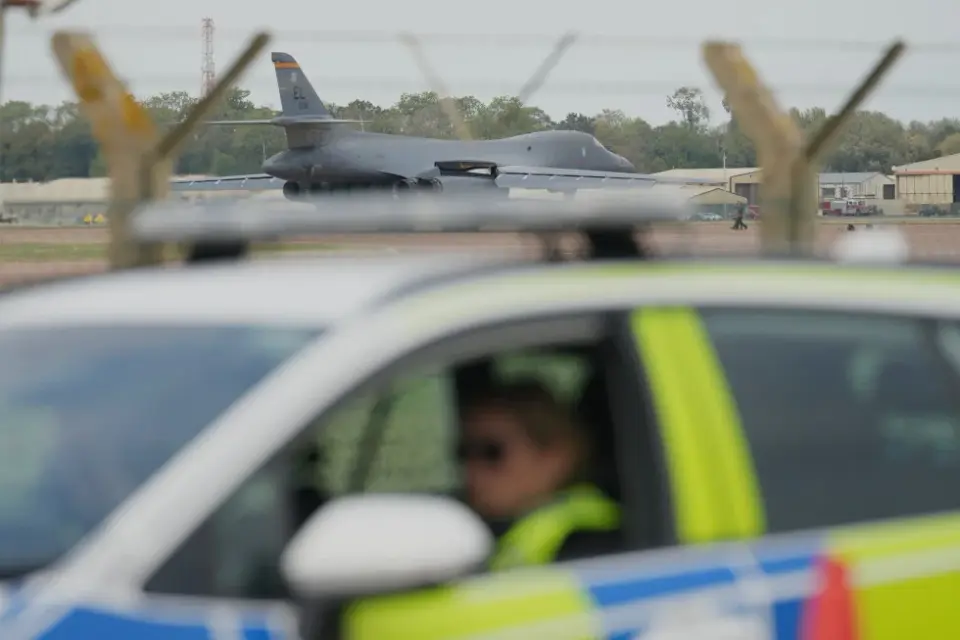
UK and US officials have concluded that Iran almost certainly directed a security incident at RAF Fairford, leading to the evacuation of 12 US B-1 bombers. A joint statement from 29 Western nations condemned the act as part of a broader pattern of Iranian proxy activities, while Iran categorically denied involvement and demanded evidence.
Key points
- UK Prime Minister Andy Burnham stated that the incident at RAF Fairford was 'almost certainly directed by the IRGC' (Islamic Revolutionary Guard Corps).
- The US Air Force evacuated 12 B-1 strategic bombers from the base 10 days prior following intelligence of a potential drone attack.
- British Home Secretary Shabana Mahmood noted that national security cases involving hostile states, including Iran, increased by 50% in the six months to December 2025.
- A joint statement from the UK, US, and 27 other Western countries condemned Iran for using 'covert networks and proxy actors' to project hostile activity beyond its borders.
- Iranian Ambassador Seyed Ali Mousavi 'categorically rejected' the allegations, stating Iran had no involvement and requested the UK provide evidence.
Background
This development follows a series of events in late September and early October 2026. On September 30, UK PM Burnham first accused Iran of plotting an attack, leading to the arrest of five men near the base, who were later released on bail. On October 5-6, the US abruptly withdrew all 12 B-1 bombers from RAF Fairford, citing new intelligence of an Iran-backed drone plot. While US officials acted with urgency, some UK officials initially expressed skepticism about Iran's capability to execute such a complex operation from 2,700 miles away. The current announcement represents a formalized, multi-nation condemnation of the incident, moving beyond initial suspicion to a definitive assessment of Iranian responsibility.
How outlets are covering it
AP News and Axios both report the UK government's conclusion that Iran was behind the incident, but they emphasize different aspects. AP News highlights the broader trend of Iranian proxy activities, citing Home Secretary Shabana Mahmood's statement that such cases have increased by 50% in the past six months, and focuses on the joint condemnation by 29 Western nations. Axios, however, places more emphasis on the specific military action, detailing the evacuation of the 12 B-1 bombers and the role of Israeli intelligence in identifying the threat. Both sources report Iran's denial, but Axios provides more detail on the Iranian ambassador's response, including his request for evidence and offer to cooperate with British authorities. The outlets agree on the core facts but differ in their framing: AP News presents it as part of a wider pattern of state-sponsored hostility, while Axios focuses on the immediate security incident and its diplomatic fallout.
Why it matters
This incident marks a significant escalation in the conflict between Iran and Western powers, moving from indirect support of proxies to a direct, albeit covert, threat against a major US military asset in Europe. The joint condemnation by 29 nations signals a unified Western stance against Iranian interference, potentially leading to further sanctions or diplomatic pressure. It also highlights the growing vulnerability of US military assets in allied nations and the increasing use of hybrid warfare tactics by state actors. The 50% increase in security cases involving hostile states underscores a broader trend of rising threats to Western security, making this incident a key indicator of the evolving geopolitical landscape.
What to watch
The UK and US are expected to continue their investigation into the incident, potentially leading to further arrests or charges against the suspects. The joint statement's threat to 'identify, investigate, disrupt, and prosecute' those who conduct hostile activities on behalf of Iran suggests a more aggressive stance from Western governments. Iran's demand for evidence and offer to cooperate may lead to a diplomatic standoff, with the UK and US likely refusing to engage without concrete proof. The incident could also influence future US military deployments in Europe, with potential increased security measures at other bases. The broader trend of rising security cases involving hostile states may lead to a more coordinated Western response to Iranian and other state-sponsored threats.
- Suspected plot at US-run air base almost certainly directed by Iran, UK prime minister says AP News
- UK PM Burnham says Iran's IRGC likely behind RAF Fairford incident Reuters
- U.K. prime minister attributes plot against U.S. bomber base to Iran Axios
- American bombers have abandoned a British base The Economist
- UK Says Iran’s IRGC Directed Incident at Airbase Used by US Bloomberg.com
Want the full story? Read the original reporting
Read on AP News