
Ukraine Launches Record Drone Barrage on Russian Oil Infrastructure Amid US Tensions
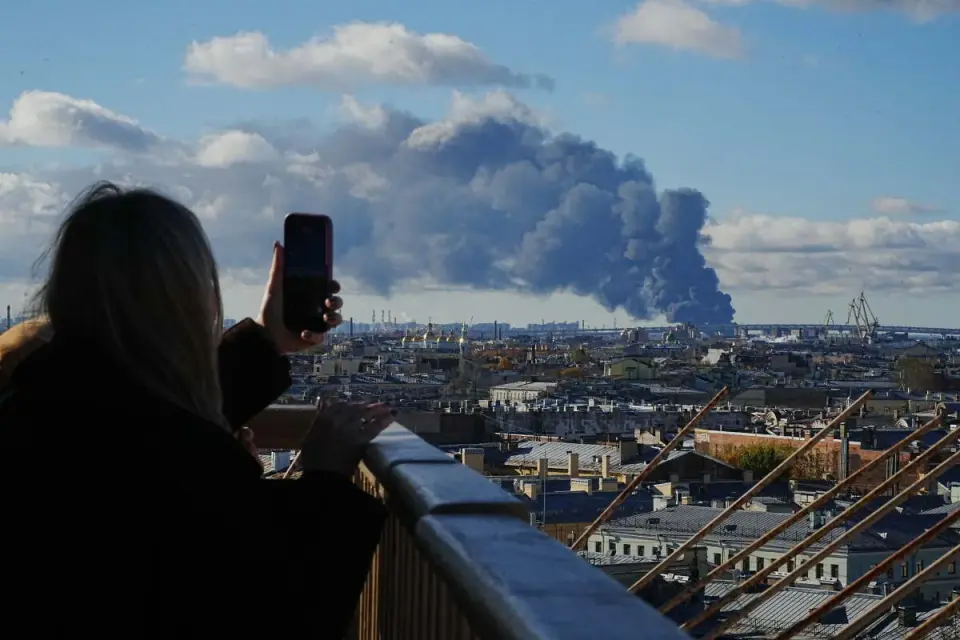
Ukraine launched its largest drone attack of the year against Russia overnight on October 17-18, targeting the St. Petersburg Oil Terminal and other facilities. This strike occurred despite US President Donald Trump’s recent demand for an energy ceasefire and his waiver of sanctions on Russian diesel. While Russia reported shooting down over 1,000 drones, the attack caused fires, one death, and infrastructure damage, highlighting the deepening rift between Kyiv and Washington.
Key points
- Ukraine launched more than 1,000 drones at Russia, with the St. Petersburg Oil Terminal, capable of handling 12.5 million tons annually, as a primary target.
- The attack resulted in one death and five injuries in St. Petersburg, with fires reported at the oil terminal and the Ruchyi oil depot.
- US President Trump had previously called Kyiv’s strikes a 'disgrace' and declared an energy ceasefire to lower fuel prices ahead of midterm elections, a move Kyiv rejected.
- Ukrainian President Zelensky accused the US of supporting Russian aggression by waiving sanctions and restricting Starlink access, while maintaining 'nonstop communication' with US envoys.
- Russia’s defense ministry claimed it shot down 1,015 drones, while Ukrainian authorities reported 11 deaths and nearly 50 injuries from Russian counter-strikes in the same 24-hour period.
Background
This escalation follows a pattern of intense energy infrastructure strikes since late September, including a previous 1,000-drone barrage in September that targeted Russian refineries. The current conflict is part of the fifth year of the war, with both sides intensifying attacks ahead of winter. Previous incidents in September saw significant civilian casualties in Ukraine from Russian drone barrages, while Ukraine continued to target Russian economic nodes like Yandex and oil depots.
How outlets are covering it
AP News and CNN emphasize the scale of the Ukrainian attack as a direct defiance of US President Trump’s demands, framing it within the context of deteriorating US-Ukraine relations. CNN highlights the political fallout, noting Trump’s waiver of sanctions and Zelensky’s criticism of US support. BBC focuses on the immediate impact in St. Petersburg, detailing damage to oil facilities, logistics centers, and data centers, while noting the lack of official Ukrainian confirmation. All sources agree on the high number of drones launched (over 1,000) and the targeting of energy infrastructure, but differ in emphasis: AP and CNN focus on the diplomatic rupture, while BBC details the local consequences in Russia.
Why it matters
The strike signals a potential collapse of US-brokered peace efforts, as Ukraine prioritizes military pressure over diplomatic concessions. It may accelerate the erosion of US support for Ukraine, impacting Kyiv’s ability to withstand Russian attacks in winter. The targeting of critical infrastructure like oil terminals and data centers could disrupt Russian economic stability and energy exports, while the US waiver of sanctions may embolden Moscow to continue its offensive.
What to watch
Expect continued escalation in energy infrastructure strikes from both sides as winter approaches. Diplomatic channels between Kyiv and Washington may remain strained, with Zelensky seeking to restore trust while Trump pressures for a ceasefire. Russia may increase attacks on Ukrainian energy grids, potentially leaving more civilians without power. The outcome of US midterm elections could further influence US policy toward Russia and Ukraine.
- St Petersburg oil facilities ablaze as Ukraine launches more than 1,000 drones at Russia AP News
- Ukraine defies Trump and launches one of its biggest drone attacks on Russia this year CNN
- Skies over St. Petersburg ignite after Ukraine strikes oil sites Yahoo
- Oil facilities hit in deadly overnight attack on St Petersburg BBC
- Zelensky Says Trump Risks ‘Historic Mistake’ If He Backs Russia The New York Times
Want the full story? Read the original reporting
Read on AP News