
Ukraine Reports Stable Starlink Speeds After Week of Disruption
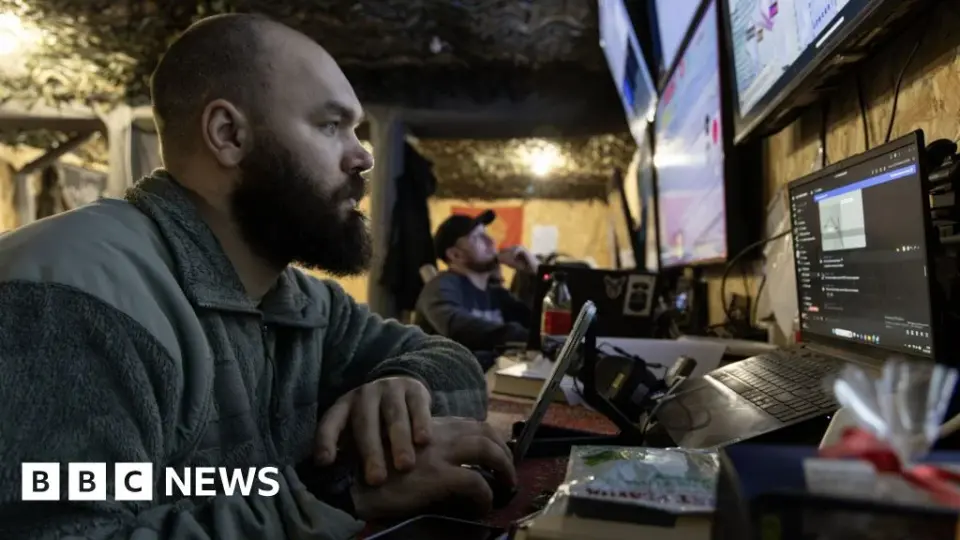
Ukraine’s defense minister confirmed on Saturday that Starlink and Starshield connections are stable, with speeds exceeding 400 km/h, following a week of restrictions that hampered drone operations. While Kyiv reports full capability restoration, some local areas still experience limits, and the cause of the initial throttling remains disputed between Washington and SpaceX.
Key points
- Ukraine’s Ministry of Defense stated that monitoring systems show stable connectivity at speeds over 400 km/h, indicating the end of recent restrictions.
- The disruption began approximately 10 days ago, limiting drone speeds to 160 km/h, which caused many drones to lose connection and crash.
- Ukrainian officials emphasized that the restoration is critical for frontline logistics, drone operations, and air defense against Russian attacks.
- Despite the official announcement, a source in the Donetsk region reported that local speeds remained limited to 160 km/h as of Saturday morning.
- The incident intensified tensions between Kyiv and Washington, with Ukrainian officials accusing the US of using the network to pressure Ukraine regarding strikes on Russian oil infrastructure.
Background
This development follows a week of escalating diplomatic friction between the US and Ukraine. Earlier reports indicated that speed restrictions persisted despite claims by President Trump that Elon Musk had restored access. The dispute occurred alongside broader disagreements over US intelligence sharing, delayed Patriot interceptor deliveries, and US sanctions waivers on Russia. Ukraine relies heavily on Starlink for civilian communications and Starshield for military-grade operations in occupied territories, making the network critical for its defense strategy.
How outlets are covering it
BBC and CNN reported that Ukraine’s defense minister confirmed stable speeds exceeding 400 km/h, framing the resolution as a result of direct dialogue. The New York Times noted that speeds had improved to near 250 mph, suggesting the restrictions were easing but not necessarily fully resolved. NBC News highlighted that neither Musk nor the US government has acknowledged responsibility for the initial limits, with both blaming each other. CNN reported that while the ministry claimed restoration, a source in Donetsk indicated limits persisted locally, highlighting a discrepancy between official statements and ground reality. The Times also noted that Senate members threatened to block Trump’s nominations if full capabilities were not restored, indicating political fallout in the US.
Why it matters
The stability of Starlink and Starshield is crucial for Ukraine’s ability to operate drones and defend against Russian attacks. The disruption exposed vulnerabilities in Ukraine’s reliance on a single US provider for critical military communications. The incident also reflects broader tensions in US-Ukraine relations, particularly regarding US support for Ukraine’s strikes on Russian oil infrastructure and the potential for US leverage over Ukrainian military capabilities. The resolution may influence future US-Ukraine negotiations and the broader peace process.
What to watch
Ukraine’s defense ministry stated it will continue to monitor the progress of the restoration. Ukrainian President Zelensky expressed hope for further meetings with US negotiators in the coming week. The situation may evolve as the US and Ukraine continue to negotiate over military support and intelligence sharing. The impact of the restored network on Ukraine’s military operations will be assessed in the coming days.
- Ukraine says Starlink connection 'now stable' after network limits BBC
- Exclusive | Trump Called Musk and Asked Him to Lift Ukraine Starlink Restrictions WSJ
- Speed of Starshield Satellite Network Is Improving, Ukraine Says The New York Times
- Ukraine’s defense ministry says access to Starshield has been restored CNN
- Ukraine says Starlink is back to normal after limits hobbled its drones NBC News
Want the full story? Read the original reporting
Read on BBC