
US conducts new 'minor' strikes on Iran's Qeshm Island amid stalled peace talks
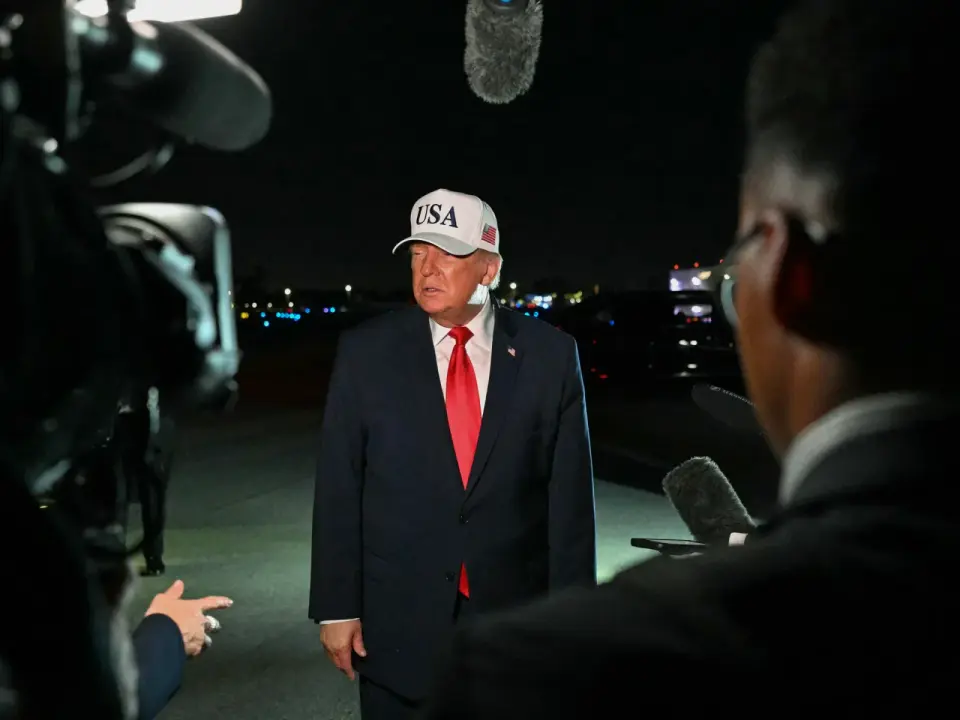
US President Donald Trump confirmed limited military strikes on Iran's Qeshm Island on Friday, targeting an air defense system. Iranian state media reported two explosions in the Suza area, while Iran claimed to have intercepted a US drone. Despite the strikes, Trump asserted that negotiations with Tehran are progressing. The US also announced a $20 million reward for information on Iran's nuclear program. These actions follow the Republican Party's losses in the midterm elections and occur amid intense diplomatic efforts by Qatar and other Gulf states to prevent further escalation.
Key points
- Trump described the Friday strikes on Qeshm Island as 'minor,' claiming US forces destroyed an anti-aircraft device in minutes.
- Iranian state media reported two explosions in the Suza area and stated that Iranian air defenses intercepted and destroyed a US MQ-9 drone.
- US Central Command (CENTCOM) announced a reward of up to $20 million for information regarding Iran's nuclear facilities and personnel.
- Trump claimed significant progress in talks with Iran, while Qatar dismissed reports that negotiations had failed, warning that such claims benefit those seeking to prolong the war.
- The strikes are the first major US action since the Republican Party lost both chambers of Congress in the midterm elections, which were influenced by voter dissatisfaction with the war and rising fuel prices.
- Diplomatic efforts intensified, with phone calls between US and Qatari defense officials, and Iranian Foreign Minister Abbas Araghchi engaging with Iraqi and Tunisian counterparts to discuss regional tensions.
Background
The US-Iran conflict began in February 2026 with joint US-Israeli strikes. The war has entered its ninth month, with the US military expenditure reaching at least $47.1 billion as of mid-October. Previous strikes on Qeshm Island in early November were framed as defensive measures against threats to shipping in the Strait of Hormuz. The current strikes follow a period of diplomatic optimism that was disrupted by the US midterm elections, where Republicans lost control of Congress due to public discontent over the war's economic impact.
How outlets are covering it
Al Jazeera and NBC News emphasize Trump's characterization of the strikes as 'minor' and his claims of progress in negotiations, while also noting the US offer of a $20 million reward for nuclear program information. CBS News highlights the defensive nature of the strikes, linking them to Iranian actions that threatened shipping and US assets, and notes the high cost of the war to US taxpayers. The Guardian focuses on the diplomatic efforts by Qatar and other Gulf states to de-escalate tensions, contrasting Trump's threats with ongoing mediation. All sources agree that the strikes occurred in a volatile period following the US midterm elections, but differ in emphasis: Al Jazeera and NBC stress the diplomatic progress, while CBS and The Guardian highlight the military and diplomatic risks, respectively.
Why it matters
The strikes on Qeshm Island, a key location in the Strait of Hormuz, underscore the ongoing tensions in the US-Iran conflict and the potential for further escalation. The US offer of a reward for nuclear program information signals a shift in strategy, aiming to gather intelligence while maintaining pressure on Iran. The diplomatic efforts by Qatar and other Gulf states are critical in preventing a broader regional conflict, especially as the US and Iran remain at odds over nuclear issues and sanctions. The economic impact of the war, including rising fuel prices and military costs, continues to influence US domestic politics and global energy markets.
What to watch
The US and Iran are expected to continue negotiations, with Qatar playing a key mediating role. The US may resume major combat operations if diplomatic efforts fail, as suggested by unnamed Pentagon officials. Iran's response to the strikes and the US reward offer will be closely monitored, as will the impact on oil prices and global energy markets. The outcome of the midterm elections and the subsequent political dynamics in the US will also influence the trajectory of the conflict.
- Trump confirms new US strikes on Iran’s Qeshm island Al Jazeera
- U.S. military carries out new targeted strikes on Iran NBC News
- Two missiles strike Iran's Qeshm Island, Tasnim news agency says Reuters
- U.S. launches limited strikes on Iranian targets in Strait of Hormuz, officials say CBS News
- US carries out another round of ‘minor’ strikes on Iran, Trump says The Guardian
Want the full story? Read the original reporting
Read on Al Jazeera