
US Deploys 200 Advisers to Saudi Arabia for Houthi Campaign
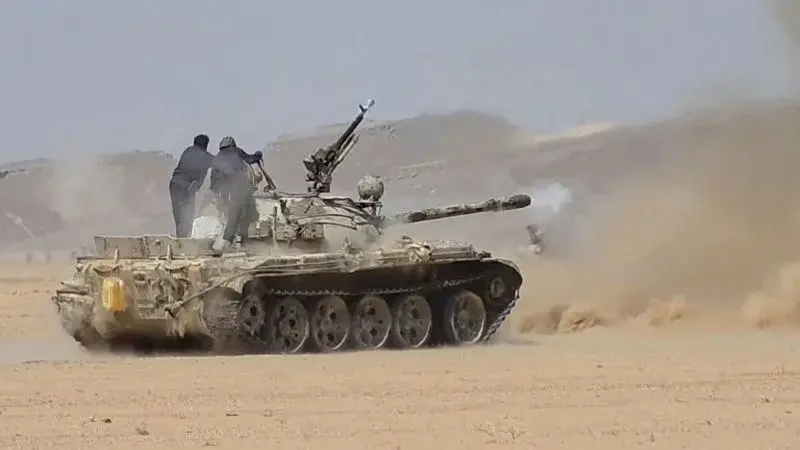
The United States has deployed approximately 200 military advisers to Saudi Arabia to provide intelligence and targeting support for Riyadh’s campaign against the Iran-backed Houthis in Yemen. This new joint forces command aims to prevent the conflict from spilling into open war and threatening the Bab-el-Mandeb strait. While the US is not directly participating in strikes or refueling aircraft, it is sharing real-time battlefield data and geospatial targeting information. The move comes amid intensified Houthi attacks, including a recent seizure of a strategic Red Sea port and missile strikes on Saudi infrastructure, which US officials link to increased Iranian Revolutionary Guard Corps presence in Yemen.
Key points
- More than 100, with some estimates reaching 200, US military advisers are on the ground in Saudi Arabia as part of a newly established joint forces command.
- The US is providing intelligence, real-time battlefield monitoring tools similar to the Pentagon’s Maven system, and geospatial targeting support, but is not directly participating in strikes or refueling Saudi warplanes.
- The deployment is a response to intensified Houthi advances, including the seizure of a strategic Red Sea port and missile/drone attacks on Saudi Arabia that killed dozens of civilians.
- US officials believe hundreds of Iranian Revolutionary Guard Corps officers are in Yemen, aiming to shut down the Bab-el-Mandeb strait, which connects the Red Sea to the Indian Ocean.
- The US military is cautious about being closely associated with Saudi strike campaigns due to past controversies over civilian casualties during previous administrations.
Background
This development follows a period of heightened tensions in the Middle East, including US strikes on Iranian oil tankers in the Strait of Hormuz in early September 2026. The US has been engaged in a months-long campaign against the Houthis in Yemen, which ended in an abrupt ceasefire agreement after Chairman of the Joint Chiefs Gen. Dan Caine pushed for its conclusion due to concerns over a lack of a clear exit strategy. The current escalation marks the sharpest fighting on the Yemeni peninsula since 2022, when a fragile truce took hold but the country remained effectively split.
How outlets are covering it
CNN reports that the US support is limited to intelligence and targeting to avoid direct involvement in strikes, citing concerns over civilian casualties and the military’s stretched resources from the ongoing war in Iran. In contrast, the Saudi-backed Yemeni government, as reported by Sabanew.net, emphasizes the need for long-term investment in Yemeni state institutions and naval capabilities to secure the Bab-el-Mandeb strait, viewing US cooperation as essential for combating Iranian-backed terrorism. Sudan Horizon offers a critical perspective, arguing that US policy exhibits double standards by aggressively targeting the Houthis while adopting a more ambiguous stance toward the Rapid Support Forces in Sudan, suggesting that US actions are driven by strategic interests rather than consistent principles of civilian protection.
Why it matters
The US deployment signals a significant escalation in support for Saudi Arabia against the Houthis, raising the risk of a broader regional conflict involving Iran. The threat to the Bab-el-Mandeb strait, a critical global shipping corridor, underscores the economic and security implications of the Yemeni conflict. The US’s cautious approach, avoiding direct strikes, reflects a desire to manage the situation without triggering a wider war or facing backlash over civilian casualties, balancing its commitments to Saudi Arabia with its ongoing operations in Iran.
What to watch
The situation is likely to remain volatile as the Houthis continue to advance and the US and Saudi Arabia monitor Iranian support. The US may adjust its level of support depending on the escalation of Houthi attacks and the risk to shipping in the Red Sea. Diplomatic efforts to address the root causes of the conflict, including Iranian involvement, may intensify, but the immediate focus remains on preventing the conflict from spilling into open war and securing key maritime routes.
- EXCLUSIVE: US expands intel, targeting support for Saudi campaign against Iranian ally CNN
- Report: US troops are in Saudi Arabia providing intel for strikes on Houthis The Times of Israel
- Double Standards: Washington between ‘Terrorism’ by the Houthis and the ‘Innocence’ of the RSF Sudan Horizon
- Foreign Minister Discusses Developments, Houthi Escalation with U.S. Chargé d’Affaires www.sabanew.net
- Houthis bring ‘nothing but suffering’ to Yemen, US says アラブニュース
Want the full story? Read the original reporting
Read on CNN