
US Intelligence Flags Iranian Dirty Bomb Plans; Trump Vows Retaliation Amid Diplomatic Stalemate
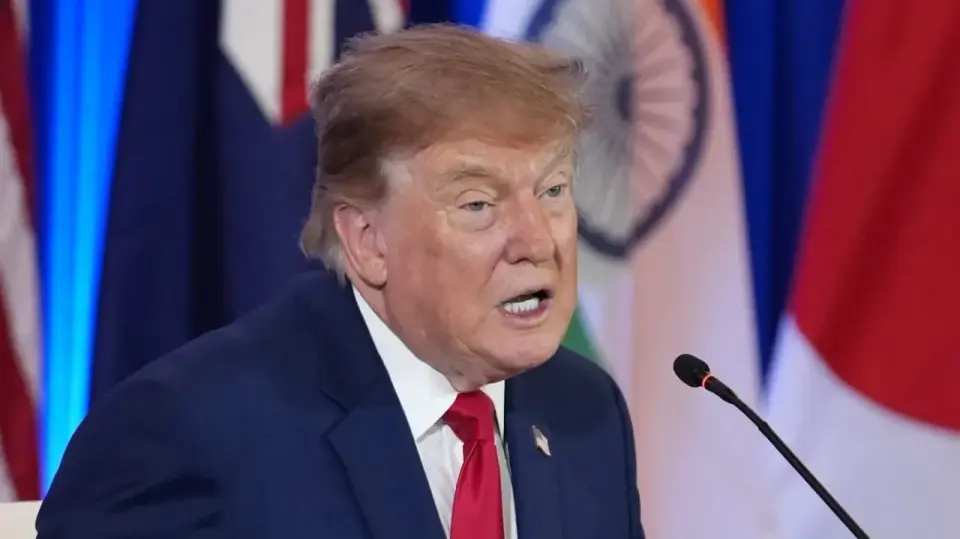
US intelligence indicates Iran is developing plans for a radiological attack on Washington, though officials debate its immediacy. President Trump called the threat serious during an Asia tour, while the White House denies any credible imminent danger. Iran rejects the claims as propaganda, and experts note such devices cause disruption rather than mass casualties.
Key points
- CNN reported that US intelligence indicates Iran is planning a 'dirty bomb' attack targeting senior administration officials in Washington, citing seven sources.
- President Trump stated he takes the threat 'very seriously' and warned of unprecedented retaliation, speaking during the ASEAN summit in Manila.
- White House spokesperson Lauren Bis stated the US is monitoring threats but there are no credible threats to the homeland at this time.
- Iran’s UN mission categorically rejected the allegations as false and fabricated, with officials dismissing them as baseless.
- Experts note that dirty bombs are 'weapons of mass disruption' rather than destruction, causing localized contamination and panic rather than mass casualties.
- The report emerges amid a stalled US-Iran conflict, with Iran offering to reopen the Strait of Hormuz only if sanctions are lifted and assets released.
Background
This development follows a series of reports in late 2026 regarding Iranian plots against US personnel. In October, a Director of National Intelligence memo warned that Iranian plots had reached 'advanced stages.' Previous archive coverage from November 17, 2026, noted that while Trump warned of severe retaliation, the White House dismissed the threats as non-imminent. The current situation occurs against the backdrop of a stalled war, where Iran has effectively shut off the Strait of Hormuz, and US public opinion polls show nearly 70% of respondents believe the war is not worth fighting.
How outlets are covering it
Outlets diverge on the threat's credibility. The Hill and CNBC report Trump’s serious tone and warnings of retaliation, while the White House maintains no credible threat exists. Al Jazeera highlights that CNN’s report lacks independent evidence and notes US officials are divided on whether Iran even has personnel in the US to execute such a plan. The Times of Israel cites Director of National Intelligence Jay Clayton, who stated threats have 'substantially increased.' Critics, including analysts cited by Al Jazeera, argue such reports risk building public support for escalation and compare the intelligence to the flawed pre-2003 Iraq WMD claims. Homeland Security Secretary Markwayne Mullin described the threat as 'aspirational' but confirmed the homeland is secure.
Why it matters
The allegations could escalate a stalled conflict, potentially justifying further military action or a ground invasion, which analysts suggest Iran would avoid to prevent regime collapse. The reports also highlight tensions in US-Iran negotiations, where Iran’s conditions for ending the conflict, including lifting sanctions, have been rejected by the administration. Public perception of the war’s value is low, making intelligence-driven escalation politically sensitive.
What to watch
The US administration will continue monitoring threats while engaging in diplomatic talks in Asia, including meetings with Chinese and Russian leaders. Iran is expected to continue rejecting the allegations. The stalled conflict may see renewed escalation if intelligence assessments confirm active plots, though experts doubt Iran would risk a dirty bomb attack due to the severe diplomatic and military consequences.
- Trump on dirty bomb report: ‘We take it very seriously’ The Hill
- What is a 'dirty bomb' and is Iran capable of this type of attack in DC? WUSA9
- Is Iran plotting a ‘dirty bomb’ attack in the US? What we know Al Jazeera
- Trump on Iran's reported DC dirty bomb plan: 'We take it very seriously' CNBC
- Iranian threats to Americans have increased substantially, US intel director warns The Times of Israel
Want the full story? Read the original reporting
Read on The Hill