
US Intelligence Flags Preliminary Iranian Dirty Bomb Plans for Washington, DC
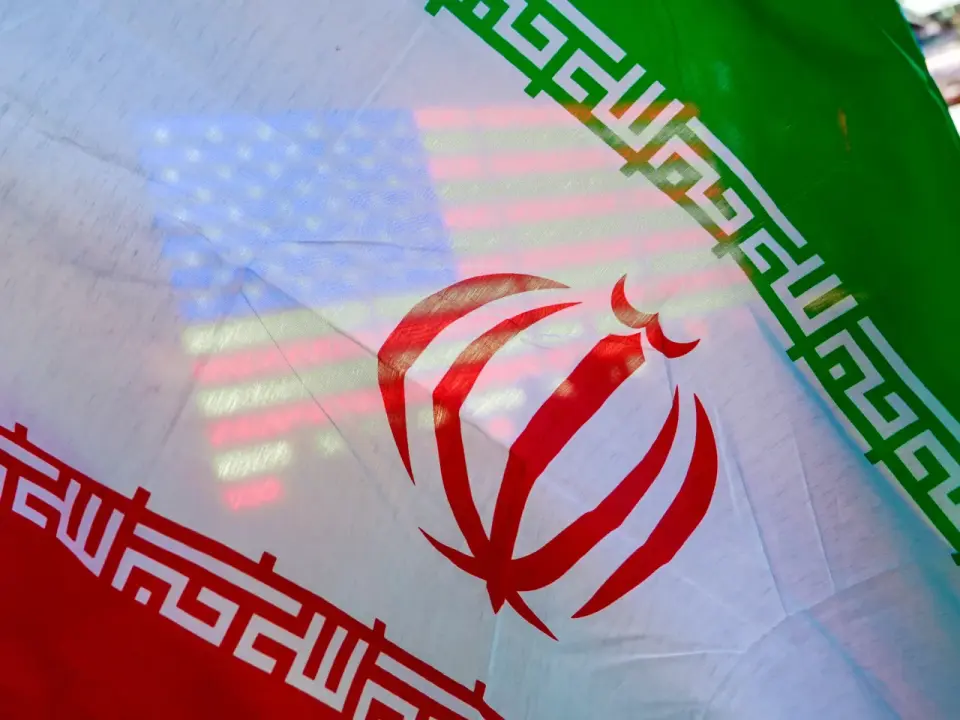
CNN reports that US intelligence indicates Iran is developing preliminary plans to target senior US officials in Washington, DC, with a 'dirty bomb' or chemical weapon. While the White House states there is no credible imminent threat, officials are engaged in contingency planning. Iran categorically rejects the allegations as fabricated propaganda. Experts note that while dirty bombs are easier to build than nuclear weapons, they are primarily tools of mass disruption rather than mass destruction, and there is no evidence Tehran has decided to execute such an attack.
Key points
- CNN cites seven unnamed US officials who say intelligence shows Iran is planning to target senior Trump administration officials in Washington, DC, with a radiological or chemical weapon.
- The White House spokesperson Lauren Bis stated that while the US is monitoring threats, there are currently no credible threats to the homeland.
- Iran’s mission to the UN and Foreign Ministry spokesperson Esmaeil Baghaei categorically rejected the claims, labeling them 'false and fabricated' and intended to justify further aggression.
- US officials are divided on the threat’s credibility; some debate whether Iran has the personnel in the US to execute such a plot, while others believe pre-positioned materials may already exist.
- Experts describe dirty bombs as 'weapons of mass disruption' that cause psychological panic and localized contamination rather than mass casualties, noting that using such a weapon would likely destroy Iran’s diplomatic standing.
Background
This report emerges amid stalled peace talks and ongoing US military strikes against Iran, including the arrival of the USS Theodore Roosevelt, bringing the total number of US carriers in the region to three. The claims follow a series of media reports on alleged Iranian plots against US personnel abroad, including a 2024 murder-for-hire plot against President Trump. Critics argue that such intelligence assessments, often based on anonymous sources, risk building public support for escalation in a war that a Chicago Council on Global Affairs survey found 70% of respondents deemed not worth fighting.
How outlets are covering it
CNN emphasizes the 'specificity' of the intelligence, including locations and targets, and highlights the US vulnerability to unconventional weapons, noting that a key surveillance law expired in June, potentially hindering the detection of such plots. Al Jazeera focuses on the technical feasibility and strategic irrationality of the threat, quoting experts who argue that a dirty bomb attack would hand-deliver the political rationale for a US ground invasion, making it an 'infinitesimally remote' likelihood. The Hill provides a factual overview of the weapon's mechanics and notes that Rep. André Carson stated lawmakers receive such reports frequently, though many do not become public. While CNN frames the situation as a signal of Iranian willingness to escalate, Al Jazeera and The Hill emphasize the lack of evidence for an imminent attack and the White House’s reassurance that no credible threat exists.
Why it matters
The report highlights the potential for a significant escalation in the US-Iran conflict, with implications for domestic security and international relations. It underscores the risks of intelligence-driven policy decisions, drawing parallels to the 2003 Iraq War, where faulty intelligence on weapons of mass destruction led to a major invasion. The debate over the credibility of the threat also reflects broader concerns about the reliability of anonymous intelligence sources in wartime and the potential for such claims to be used to justify further military action or economic pressure against Iran.
What to watch
US officials are expected to continue contingency planning and monitor intelligence for any signs of an imminent attack. The White House and Iranian authorities are likely to continue their respective public stances, with the US emphasizing vigilance and Iran denying the allegations. The outcome of stalled peace talks and the potential for further military escalation in the region will be critical in determining whether these preliminary plans translate into actionable threats. Additionally, the expiration of key surveillance laws may impact the US ability to detect and counter such plots in the future.
- Is Iran plotting a ‘dirty bomb’ attack in the US? What we know Al Jazeera
- Exclusive: US intel indicates Iran developing plans to potentially detonate a dirty bomb in Washington, sources say CNN
- What is a dirty bomb? What to know about reported Iran threat The Hill
- Trump says US taking seriously report of possible Iranian dirty bomb plot in Washington Reuters
- Trump responds to dirty bomb threat The Hill
Want the full story? Read the original reporting
Read on Al Jazeera