
US Intelligence Links Chinese Satellite Data to Deadly Iranian Strikes on US Bases
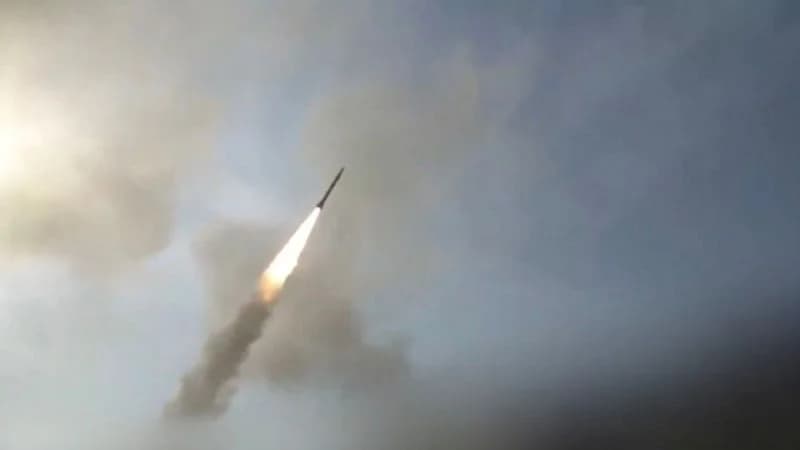
US officials assert that Chinese satellite imagery and dual-use components have significantly enhanced Iran’s ability to target US military assets, including a July strike in Jordan that killed three service members. While Beijing denies providing military support, US lawmakers are pressuring President Trump to sanction Chinese entities during Xi Jinping’s state visit. The dispute highlights a sharp divergence in how Washington and Beijing view the conflict, with Iran leveraging the aid to maintain pressure on US forces despite ongoing diplomatic efforts.
Key points
- US intelligence assessments indicate Chinese geospatial data allowed Iran to execute a precise strike on a US base in Jordan in July, killing three soldiers, a capability US officials say Iran lacked previously.
- The Wall Street Journal reports that Chinese entities sent approximately 1,300 shipments of dual-use components, including drone parts and guidance systems, to Iran’s Defense Ministry between January and June 2026.
- Iran has adapted its tactics in the Strait of Hormuz by using Chinese satellite data to time launches of heat-seeking drones against US naval escorts, increasing the likelihood of successful hits.
- US Senator Jeanne Shaheen and others have urged President Trump to sanction Chinese firms for providing satellite imagery and purchasing Iranian oil, noting that 90% of Iran’s oil exports go to China.
- During his state visit, President Xi Jinping discussed the Iran conflict with President Trump, though Beijing maintains it strictly controls dual-use exports and opposes US sanctions on Iran.
Background
This development follows a series of Iranian strikes on US bases in the Middle East, including a September 2026 incident at Jordan’s Al-Azraq base and earlier attacks on CIA facilities in Riyadh and Iraq. Previous reports in August 2026 noted that Iranian drone strikes had caused billions in damage to US intelligence networks. The current escalation occurs as the US-Iran war enters its seventh month, with Iran’s military capabilities improving due to combat experience and external technical support from both China and Russia.
How outlets are covering it
CNN emphasizes that Chinese intelligence support is a decisive factor in Iran’s improved targeting accuracy, particularly regarding the July strike in Jordan, while noting that Russia and combat experience also contribute. The Wall Street Journal focuses on the volume of physical shipments, citing customs data for 1,300 deliveries of dual-use components, and highlights a surge in flights by Mahan Air from China to Iran. OilPrice.com and RFE/RL highlight the political fallout, noting that US lawmakers are demanding sanctions against Chinese entities for both military support and purchasing Iranian oil, while Beijing denies any military assistance. The Guardian’s coverage of the Xi-Trump summit notes that while the leaders discussed the Iran war, the summit focused more on trade and symbolic diplomacy, with little substantive progress on security issues.
Why it matters
The alleged Chinese support for Iran undermines US efforts to isolate Tehran and complicates diplomatic relations between Washington and Beijing. If confirmed, the provision of satellite imagery and military components represents a significant escalation in Chinese involvement in the conflict, potentially leading to further US sanctions that could impact global trade and energy markets. The situation also highlights the vulnerability of US forces in the region to low-altitude drone attacks, forcing the US to adjust its defensive posture and potentially prolonging the conflict.
What to watch
President Trump and President Xi Jinping are expected to continue discussions on the Iran issue during their state visit, with US officials indicating that the topic is likely to be raised. US lawmakers are pushing for immediate sanctions against Chinese entities involved in supplying Iran, while Beijing is expected to maintain its stance of opposing unilateral sanctions. The outcome of these diplomatic efforts will influence the trajectory of the US-Iran conflict and the broader US-China relationship, particularly regarding trade and security cooperation.
- Intelligence from Chinese groups aiding in Iran’s increasingly effective targeting of US sites, sources say CNN
- (1) US politics live: Trump to wrap up Xi summit with a tour of US archives The Guardian
- Iran Has a Secret Weapon in Its War With America: Help From China WSJ
- WSJ: China Sent 1,300 Missile and Drone Shipments to Iran IranWire
- Beijing's Iran Oil Trade Draws Fresh Criticism From Capitol Hill Crude Oil Prices Today | OilPrice.com
Want the full story? Read the original reporting
Read on CNN