
US Officials Assess Iranian Dirty Bomb Planning as 'Aspirational' Amid Ongoing Conflict
US intelligence indicates Iran is developing specific plans to target senior administration officials in Washington with a dirty bomb or chemical weapon, though officials debate the immediacy and feasibility of such an attack. President Trump warned of severe retaliation if the threat materializes, while the White House maintains there are no credible imminent threats. Iranian authorities categorically reject the allegations as propaganda, and experts note that while such devices are easier to assemble than nuclear weapons, they primarily cause localized disruption rather than mass casualties.
Key points
- CNN reports that US intelligence has intercepted specific plans, including locations and targets, suggesting Iran is developing options for a dirty bomb or chemical attack in Washington, DC.
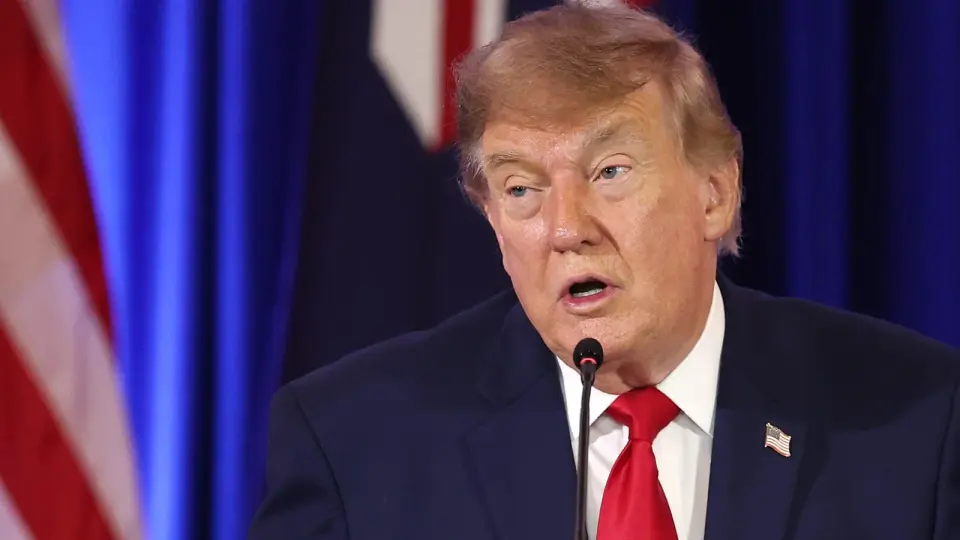
- President Trump stated during a summit in Manila that the US takes the report seriously and that Iran would face unprecedented consequences if it carries out such an attack.
- Homeland Security Secretary Markwayne Mullin described the Iranian threats as 'aspirational' and not a new threat, asserting that the homeland remains secure despite ongoing contingency planning.
- White House spokesperson Lauren Bis confirmed the US is monitoring all potential threats but stated there are currently no credible threats to the homeland.
- Iranian officials, including Foreign Ministry spokesman Esmaeil Baghaei and parliamentary speaker Mohammad Bagher Ghalibaf, dismissed the reports as baseless allegations and 'false flags' intended to justify further aggression.
- Experts note that dirty bombs, which combine conventional explosives with radioactive material, are relatively easy to assemble and may already have pre-positioned materials in the US, but they are weapons of terror rather than precision or mass destruction.
Background
This development follows a period of heightened tensions between the US and Iran, including military strikes and economic blockades that began in late February 2026. Previous intelligence had indicated Iranian plotting against US officials, primarily targeting them while traveling overseas. The current reports suggest a shift in Iranian strategy, with potential focus on attacks within US territory, although officials remain divided on whether Iran has the capability or intent to execute such a plot. The situation also coincides with concerns about the expiration of key surveillance laws, such as Section 702 of the Foreign Intelligence Surveillance Act, which could impact the US ability to detect such threats.
How outlets are covering it
CNN emphasizes the specificity of the intelligence, noting that it includes locations and targets, and highlights the debate among officials over whether Iran can or will execute the plot. CNBC focuses on the administration's response, with Trump warning of severe retaliation and Mullin dismissing the threat as 'aspirational.' CBS News provides expert analysis on the nature of dirty bombs, noting their localized impact and the ease of assembly, while also highlighting concerns about cyberattacks as a more persistent threat from Iran. BBC notes the lack of independent verification of the CNN report and the Iranian rejection of the allegations, while also discussing the broader context of the US-Iran conflict and the expiration of surveillance laws.
Why it matters
The reported Iranian planning for a dirty bomb or chemical attack in Washington, DC, underscores the ongoing and evolving nature of the US-Iran conflict, which has already involved military strikes and economic blockades. The threat highlights the vulnerability of the US to unconventional weapons and the challenges of detecting and preventing such attacks, especially with the expiration of key surveillance laws. The administration's response, including contingency planning and warnings of severe retaliation, reflects the seriousness with which the US is treating the threat, even as officials debate its immediacy and feasibility. The situation also raises broader concerns about the potential for escalation in the conflict and the impact on US national security and international relations.
What to watch
US officials are expected to continue monitoring the situation and engaging in contingency planning to address the potential threat. The administration may seek to renew key surveillance laws, such as Section 702 of the Foreign Intelligence Surveillance Act, to maintain its ability to detect and prevent such attacks. Diplomatic efforts to end the conflict and reach a deal with Iran are ongoing, but progress has been slow, and the next several weeks are expected to be critical. Iranian authorities are likely to continue rejecting the allegations and may take further actions to escalate the conflict, although they are also aware of the risks of retaliation. The situation will likely remain a focus of US national security discussions and international relations in the coming weeks.
- Trump on Iran's reported DC dirty bomb plan: 'We take it very seriously' CNBC
- Exclusive: US intel indicates Iran developing plans to potentially detonate a dirty bomb in Washington, sources say CNN
- What's a dirty bomb? What Iran's reported threat on Washington, D.C. could mean for Maryland CBS News
- Trump says US taking 'very seriously' any Iranian plot against Washington BBC
- What is a 'dirty bomb' and is Iran capable of this type of attack in DC? WUSA9
Want the full story? Read the original reporting
Read on CNBC