
US Officials Debate Credibility of Iranian Dirty Bomb Threats Amid Ongoing Conflict
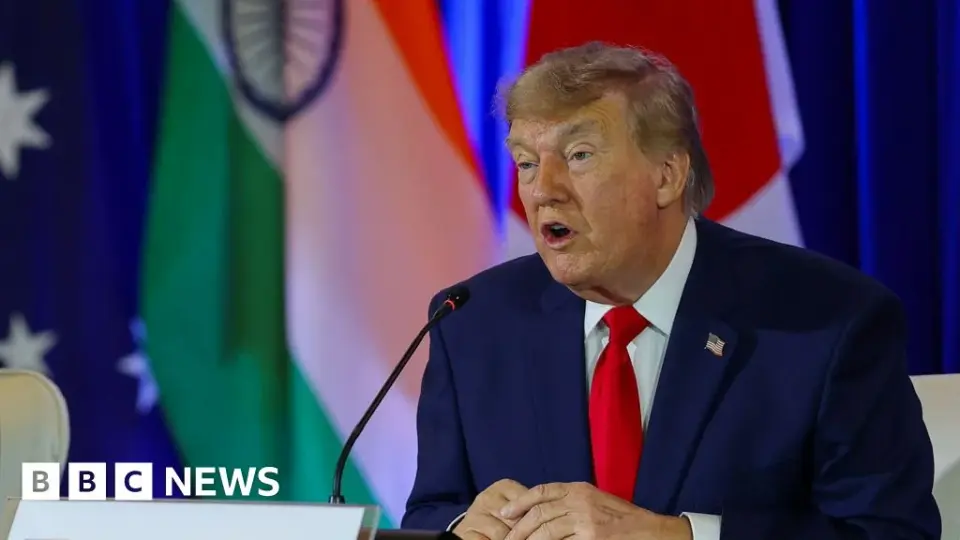
US intelligence suggests Iran is developing preliminary plans for a radiological or chemical attack on Washington, D.C., targeting senior administration officials. While President Trump acknowledged the reports during a summit in Manila, warning of severe retaliation, the White House stated there are no credible imminent threats. Iranian authorities dismissed the claims as baseless propaganda, and experts noted that while such devices are easy to assemble, they cause disruption rather than mass casualties.
Key points
- CNN reported that US intelligence intercepted specific plans, including locations and targets, for a potential Iranian dirty bomb or chemical weapon attack in Washington, D.C.
- President Trump stated the US is taking the matter 'very seriously' and warned Iran would pay a price 'the likes of which no country has ever paid before' if an attack occurs.
- White House spokesperson Lauren Bis confirmed the US is monitoring threats but stated there are currently no credible threats to the homeland.
- Iranian officials, including Foreign Ministry spokesman Esmail Baghaei and parliamentary speaker Mohammad Bagher Ghalibaf, rejected the reports as 'baseless' and 'false flags' intended to justify further aggression.
- Homeland Security Secretary Markwayne Mullin described the Iranian planning as 'aspirational' and noted that any such attack would trigger an all-out war that allies like China and Russia would not support.
- Experts noted that dirty bombs are relatively easy to assemble but primarily cause terror and localized contamination rather than mass casualties, and it remains unclear if Iran has the personnel to execute such a plot.
Background
This development follows a period of heightened tensions between the US and Iran, including ongoing military strikes and an economic blockade. In October 2026, US intelligence warned of advanced plots targeting American personnel abroad, leading to the withdrawal of diplomats from several Gulf nations. The current reports emerge as intelligence officials seek congressional renewal of Section 702 of the Foreign Intelligence Surveillance Act, which expired in June and is critical for monitoring foreign communications.
How outlets are covering it
CNN emphasized the specificity of the intelligence, citing seven officials who described the plans as including concrete locations and targets, though they noted debate over whether Iran has the capability to execute them. The BBC focused on Trump’s public response in Manila and the White House’s reassurance that no credible threat exists. CNBC highlighted Homeland Security Secretary Mullin’s characterization of the threat as 'aspirational' and the potential for an all-out war if Iran acts. Iranian officials uniformly dismissed the reports as propaganda, with the Foreign Ministry accusing the US of manufacturing legitimacy for further aggression. Experts like Mick Mulroy and Imran Bayoumi noted the ease of assembling such devices but questioned the immediacy and credibility of the threat, with Bayoumi noting it is unclear why the report is becoming public now.
Why it matters
The reports highlight the ongoing instability in US-Iran relations and the potential for escalation into direct attacks on US soil. The debate over the credibility of the intelligence and the expiration of key surveillance laws underscore the challenges in monitoring and preventing such threats. The situation also reflects the broader geopolitical tensions in the Middle East and the potential for wider conflict if Iran decides to act on these plans.
What to watch
US officials are expected to continue monitoring the situation and engaging in contingency planning. Congress is likely to debate the renewal of Section 702 of the Foreign Intelligence Surveillance Act, which is critical for intelligence gathering. Diplomatic talks between the US and Iran may continue, but the current reports suggest a lack of progress in de-escalating tensions. The next few weeks are considered critical for any potential agreement, with concerns that hardliners in Iran could act to keep the conflict going.
- Trump says US taking 'very seriously' any Iranian plot against Washington BBC
- Exclusive: US intel indicates Iran developing plans to potentially detonate a dirty bomb in Washington, sources say CNN
- What is a dirty bomb? J.J. Green explains in 7News interview WJLA
- Trump on Iran's reported DC dirty bomb plan: 'We take it very seriously' CNBC
- Trump says US taking seriously report of possible Iranian dirty bomb plot in Washington Reuters
Want the full story? Read the original reporting
Read on BBC