
US clears $24bn F-35 sale to Saudi Arabia despite intelligence warnings
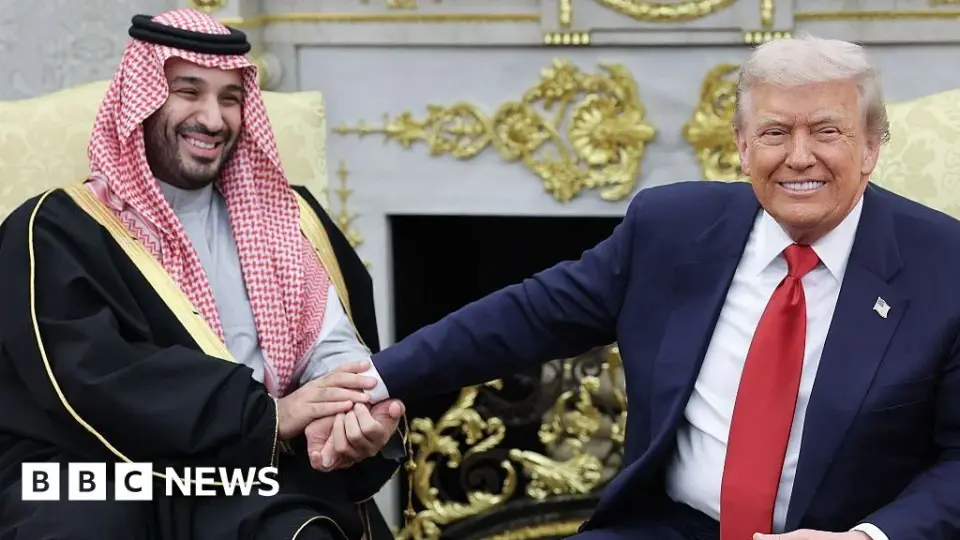
The US State Department has approved the sale of 48 F-35 fighter jets to Saudi Arabia for $24.3 billion, a move that would make Riyadh the second Middle Eastern nation to possess the aircraft. While the administration argues the deal strengthens regional stability, critics warn it risks exposing advanced stealth technology to China and upsets the military balance with Israel. Congress now has 30 days to review or block the transaction.
Key points
- The deal includes 48 F-35 jets and a spare engine, valued at $24.3 billion, with Lockheed Martin as the manufacturer.
- US intelligence agencies have warned that China could acquire or steal F-35 technology through its security partnership with Saudi Arabia.
- The sale would place Saudi Arabia on par with Israel, which currently operates 50 F-35s, though Israel plans to double its fleet to 100.
- Congress has 30 days to scrutinize or block the sale, with Democratic lawmakers opposing the move due to national security concerns.
- The approval coincides with intensified fighting between Saudi Arabia and the Houthis in Yemen, where Riyadh has sought direct US military intervention.
Background
Previous coverage noted that the US had long resisted selling F-35s to Saudi Arabia to maintain Israel's qualitative military edge. The Biden administration had previously linked the sale to Saudi normalization of relations with Israel, a diplomatic effort that ultimately faltered. Recent Houthi advances in Yemen, including the seizure of Red Sea coastal areas, have heightened Saudi security concerns and prompted requests for US military support, which Washington has so far declined to provide directly.
How outlets are covering it
The State Department emphasizes that the sale will not alter the regional military balance and supports US foreign policy objectives by strengthening a non-NATO ally. In contrast, The New York Times highlights internal intelligence warnings that China could exploit the technology transfer. Al Jazeera notes the timing relative to Houthi claims of shooting down a Saudi F-15, suggesting the sale is a response to deteriorating security conditions. Democratic lawmakers, such as Representative Raja Krishnamoorthi, oppose the deal, arguing it risks exposing 'crown jewels' of American military technology to Beijing, while the administration insists the move enhances stability in the Gulf.
Why it matters
The approval signals a significant shift in US arms policy, potentially eroding Israel's exclusive access to top-tier American technology in the Middle East. It also raises concerns about the proliferation of advanced stealth capabilities to a country with close ties to China, which could impact global security dynamics. Additionally, the deal reflects the Trump administration's prioritization of strategic partnerships with Gulf states over traditional alliances, influencing regional power balances and US influence in the Middle East.
What to watch
Congress must decide whether to block the sale within 30 days. If approved, the production and delivery of the jets will take years. The outcome may influence future US arms sales policies and relations with Israel and China. Meanwhile, the situation in Yemen remains volatile, with the Houthis continuing to challenge Saudi-backed forces, potentially affecting the urgency of the Saudi request for advanced weaponry.
- Why US plan to sell F-35 warplanes to Saudi Arabia is controversial BBC
- Trump Moves Ahead With F-35 Jet Sales to Saudi Arabia Despite Intelligence Concerns The New York Times
- US clears way for $24.3 billion fighter jet sale to Saudi Arabia Reuters
- Trump administration approves sale of F-35 jets to Saudi Arabia Al Jazeera
- State Department OKs potential $24B fighter jet sale to Saudis The Hill
Want the full story? Read the original reporting
Read on BBC