
US resumes 'heavy' strikes on Iran after days-long pause, widening regional conflict
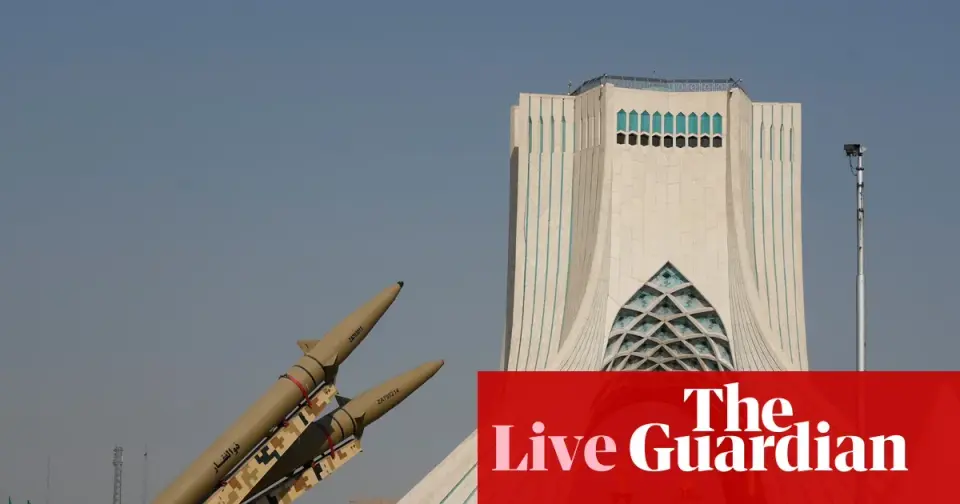
The US military completed a two-hour 'heavy wave' of strikes against Iranian targets, ending a brief pause in hostilities. The attacks followed Iranian missile launches at US forces in Jordan and joint US-Saudi strikes on militias in Iraq. The conflict has expanded to include drone attacks on Egyptian infrastructure and renewed threats to the Strait of Hormuz, causing oil prices to spike and raising concerns about a broader regional war.
Key points
- US Central Command reported striking dozens of Islamic Revolutionary Guard Corps targets, including command centers and missile facilities, in response to Iranian attacks on US forces.
- Iranian state media reported civilian casualties on Qeshm Island, including a couple and their two-year-old child, while explosions were heard in Khuzestan and other provinces.
- Jordan confirmed it intercepted five Iranian missiles aimed at its territory, marking a direct escalation involving the kingdom.
- Saudi Arabia joined the US in striking Iran-backed Popular Mobilization Forces in Iraq, killing at least 20 fighters and six Iranian advisers, a move analysts call a significant shift in the conflict.
- Brent crude oil prices jumped 7.3% to $88 a barrel following the renewed hostilities.
- Drone strikes ignited fires on two natural gas vessels at Egypt’s Damietta port, the first direct impact on Egyptian infrastructure in the war.
Background
This flare-up follows a brief pause in US-Iran strikes that began in late July, during which oil prices dipped and diplomatic efforts were underway. The conflict, which started in February 2026, has already resulted in significant casualties and economic disruption, with previous reports indicating 17 US fatalities and over 500 Iranian injuries. The current escalation marks a return to direct military engagement after a period of relative calm.
How outlets are covering it
The Guardian and AP emphasize the US military’s 'heavy wave' of strikes and the immediate response to Iranian missile attacks, highlighting the risk of a return to all-out war. Al Jazeera focuses on Iranian retaliation, including claims of destroying drone hangars at a US base in Kuwait and warnings that the US will 'pay the price' for civilian casualties. CNN highlights the widening nature of the conflict, noting the drone attack on Egypt and Iran’s warnings to European countries like Cyprus and Bulgaria against allowing US use of their bases. The Wall Street Journal, cited by the Guardian, reports that US commanders considered a 10-14 day air campaign to cripple Iran’s missile capabilities, though concerns over dwindling air-defense munitions remain. Analysts from Chatham House and RUSI describe the situation as 'senseless' and 'unpredictable,' with some arguing that further escalation is strategically pointless for both sides.
Why it matters
The resumption of strikes threatens to derail ongoing diplomatic efforts and could lead to a broader regional war involving multiple countries. The closure of the Strait of Hormuz and attacks on energy infrastructure have already caused significant spikes in oil and gas prices, with potential global economic repercussions. The involvement of Saudi Arabia and the impact on Egypt suggest the conflict is no longer contained to the US-Iran axis, raising concerns about a wider Middle East crisis.
What to watch
Diplomatic efforts by mediators, including Pakistan, are continuing to try to revive negotiations, but prospects are slim as both sides continue to attack. The US may consider a more limited strike to allow for diplomacy, while Iran has vowed to retaliate for civilian casualties. The status of the Strait of Hormuz and the potential for further drone attacks on regional infrastructure will be key indicators of whether the conflict escalates further or de-escalates.
- Middle East crisis live: US launches ‘heavy waves of strikes’ on Iran after days-long pause in attacks theguardian.com
- Iran war live: US launches ‘powerful’ strikes after IRGC attack on Jordan Al Jazeera
- Live updates: US renews strikes on Iran as widening war pulls in more countries CNN
- US launches strikes on Iranian targets a day after it foiled missile attack on American forces AP News
- Iran war live: US strikes Iran again as war widens with attack on Egypt port Reuters
Want the full story? Read the original reporting
Read on theguardian.com