
US Strikes Larak Island, Iran Retaliates with Jordan Missile Attack
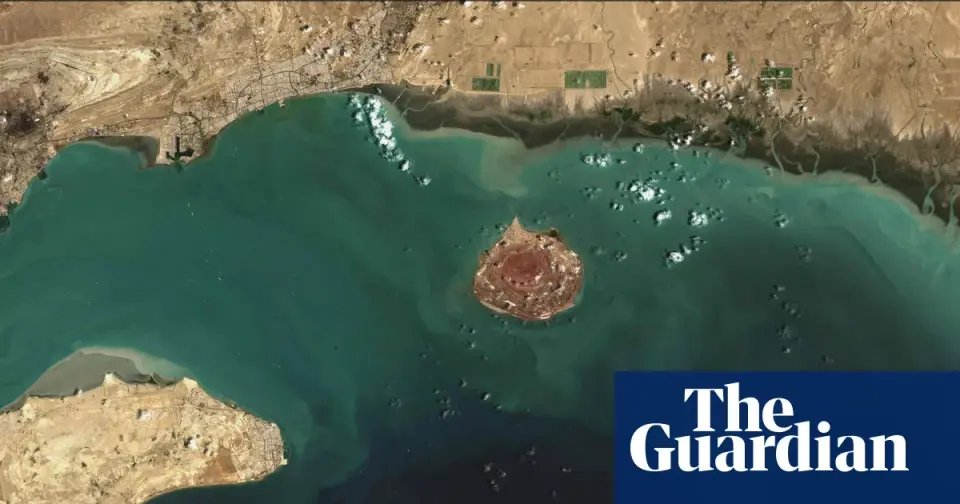
US forces struck two Iranian rocket launchers on Larak Island on August 30, 2026, marking the first direct American attack on Iranian territory since late July. The strike targeted Islamic Revolutionary Guard Corps (IRGC) forces preparing to deploy sea mines into the Strait of Hormuz. Iran retaliated by launching ballistic missiles at US bases in Jordan. President Donald Trump vowed further retaliation, while oil prices surged above $90 per barrel.
Key points
- US Central Command confirmed strikes on two launchers on Larak Island after observing IRGC preparations to launch sea mines into the Strait of Hormuz.
- Iran’s IRGC reported casualties among soldiers and civilians and launched ballistic missiles at King Hussein and Al Azraq air bases in Jordan in retaliation.
- Jordanian military confirmed intercepting eight incoming missiles, with US sources stating all incoming projectiles were neutralized without significant impact.
- President Trump posted an AI-generated video of Kharg Island on fire, threatening further strikes, though no evidence of an actual attack on the oil hub was confirmed.
- Brent crude oil prices rose 3.2% to $90.90 per barrel following the renewed military escalation.
Background
This escalation follows a six-month war between the US/Israel and Iran that began in February 2026. A memorandum of understanding pausing hostilities expired on August 17, leading to a stalemate. Recent weeks saw Washington threaten economic sanctions against countries supporting Iran, including a proposed rule targeting Egyptian bank branches in the UAE. The conflict has already killed thousands, displaced millions, and resulted in 18 US service member deaths.
How outlets are covering it
The Guardian and USA Today emphasize the strike as a protective measure for global commerce, citing US Central Command’s claim that IRGC forces were preparing to launch sea mines. CBS News highlights the broader geopolitical fallout, noting Trump’s claim that Iran’s attacks on Gulf states weakened its support, and details Treasury Secretary Scott Bessent’s push for financial isolation of Iran. CNBC focuses on the military response, quoting Trump’s vow to 'hit them very hard' and noting the Defense Department’s new contracts to increase missile interceptor production. Iranian state media, via Fars and Tasnim, framed the US action as aggression, with IRGC spokesperson Sardar Mohibi calling it a 'strategic and fatal error' and vowing economic and military consequences. A senior Iranian source told Reuters that Tehran would respond 'dozens of times greater' to any future US attacks.
Why it matters
The strikes break a month-long lull in direct US-Iran military exchanges, signaling a potential return to active conflict. The threat to the Strait of Hormuz, which handles about 20% of global oil consumption, directly impacts global energy markets and supply chains. The escalation also tests the limits of US economic pressure tactics, as Washington balances sanctions against major trading partners like China and India.
What to watch
Analysts expect continued tension in the Strait of Hormuz, with Iran warning that conditions will worsen for vessels violating its passage rules. The US is likely to maintain its naval blockade and monitor the area closely. Diplomatic efforts remain stalled, with Iran’s president Masoud Pezeshkian stating the US has not fulfilled its commitments, while Trump continues to threaten further military action against Iranian oil infrastructure.
- US strikes Iranian launchers on Larak island amid strait of Hormuz tensions The Guardian
- Live Updates: U.S. military strikes Iranian targets in first military action in a month CBS News
- US strikes Iranian island, first military action since July USA Today
- U.S. strikes Iranian rocket launchers near Strait of Hormuz CNBC
- Trump Administration Live Updates: U.S. Hits Iran With First Strikes in a Month The New York Times
Want the full story? Read the original reporting
Read on The Guardian