
US Troops Complete Withdrawal from Iraq, Leaving Kurdish Region Vulnerable and Militias Unchecked
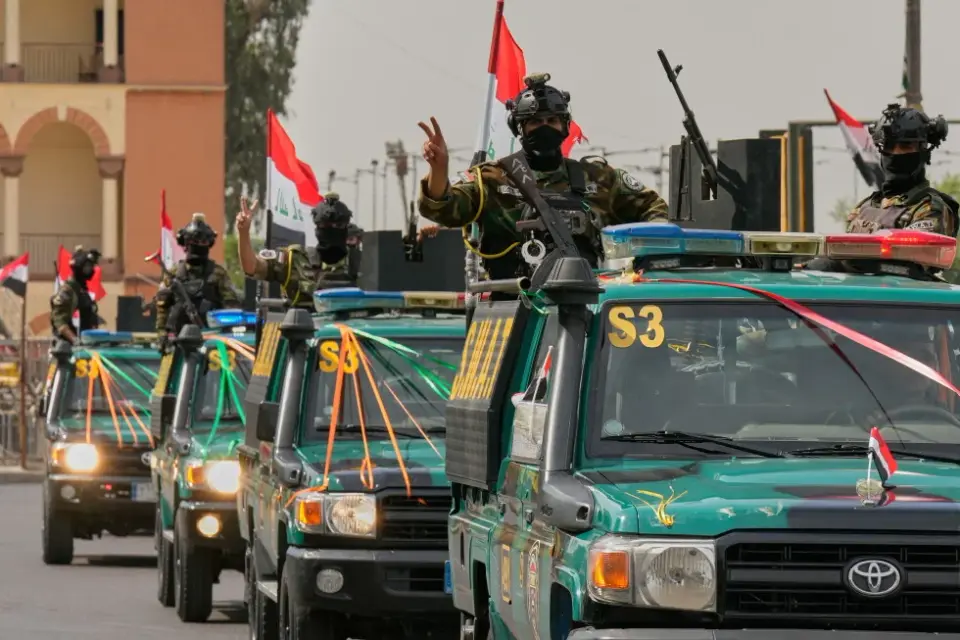
The last US troops have exited Iraq, ending a two-decade presence. While Iran-backed militias celebrate the withdrawal as a victory for sovereignty, Kurdish officials express deep anxiety over the removal of US air defense systems. The Iraqi government has pushed the deadline for militia disarmament to June 2027, leaving powerful armed groups outside state control.
Key points
- The final US military withdrawal from Iraq marks the end of a presence that began with the 2003 invasion.
- Kurdish regional officials fear security gaps, noting over 1,000 drone and missile attacks during the recent US-Iran conflict.
- Iran-backed militias, including Kataib Hezbollah, have celebrated the exit and warned against government cooperation with US plans.
- Prime Minister Ali al-Zaidi has delayed the deadline for militia disarmament to June 2027, as powerful groups reject immediate surrender.
Background
The withdrawal was agreed in 2024 following the reduction of extremist groups to sleeper cells. Previous concerns included potential 'Balkanisation' of Iraq and a security vacuum that could allow Islamic State remnants to regroup. The US had already scaled down its presence in most areas last year, maintaining only a small force in the northern Kurdish region.
Why it matters
The exit shifts regional power dynamics toward Iran, potentially emboldening proxy militias and leaving the Kurdish region without critical air defense support. It raises questions about Iraq's ability to maintain sovereignty and security without external military backing.
What to watch
The Iraqi government will attempt to negotiate with militias before the new June 2027 deadline. Kurdish authorities will likely seek alternative security arrangements or international support to fill the defense vacuum left by the US departure.
Want the full story? Read the original reporting
Read on AP News