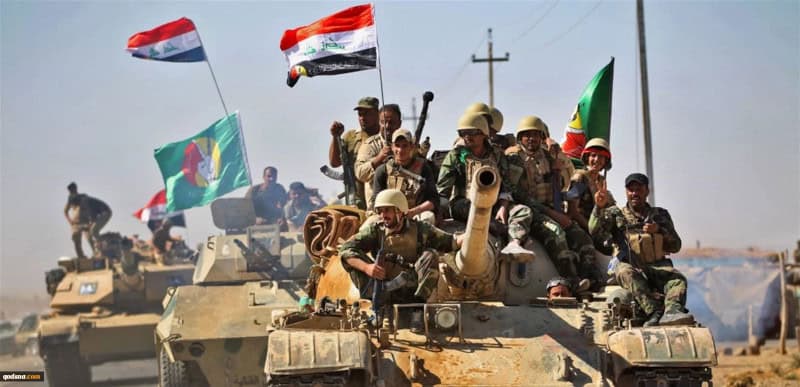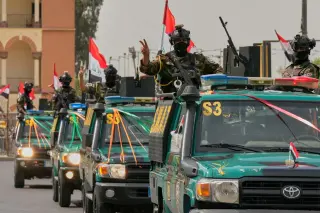
Saudi Arabia, coordinating with U.S. Central Command, carried out targeted strikes against Iran-linked militias in Iraq in response to attacks on Saudi oil facilities, marking Riyadh’s first publicly announced participation in the broader U.S.-led conflict with Iran.
U.S. and Saudi-led forces carried out airstrikes against Iran-backed militias in Iraq after Iran’s missile attack on U.S. forces, with Trump vowing a forceful response and claiming coordination with Baghdad; Iran warns of retaliation while Iraq condemns the strikes and seeks legal action. Simultaneously, Washington imposed new sanctions on Iran-related oil tankers, and global oil prices rose on renewed Middle East tensions and potential supply disruptions.
Iran says it will not negotiate with the US and will keep control of the Strait of Hormuz as a new round of US-Saudi strikes against Iran-backed Iraqi militias and missiles escalate regional tensions, fueling higher oil prices and ongoing diplomacy among Washington, Riyadh, and Baghdad.
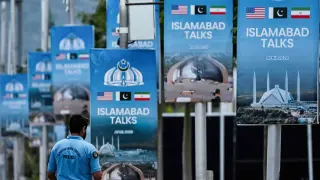
The United States extended its ceasefire with Iran while a second round of talks in Islamabad was canceled after Tehran failed to submit a unified proposal, underscoring an intra-regime struggle between IRGC figures like Esmail Vahidi and parliamentary leadership. Iran-backed Iraqi militias continue drone attacks on Gulf states, Hezbollah has clashed with Israeli forces as tensions rise across the region, and the US-Israel campaign against Iran’s drone/missile programs proceeds with sanctions and strikes on bases such as Bid Ganeh. CENTCOM also reports maritime interdictions and vessel turnbacks to enforce the blockade of Iranian ports. Some Iranian clerics publicly advocate diplomacy, but hardliners and broader regional actors appear prepared for renewed hostilities, keeping escalation risks high.
Mediators are pressing to extend the two-week US-Iran ceasefire as talks continue on major sticking points: the duration of uranium enrichment suspension, shipping arrangements through the Strait of Hormuz, the future and disarmament of allied militias (PMF/Hezbollah), and comprehensive sanctions relief including asset returns. While some progress has been reported, officials warn gaps remain and a breakdown could trigger renewed fighting, with Turkish and Pakistani mediators seeking more time before any deadline.”
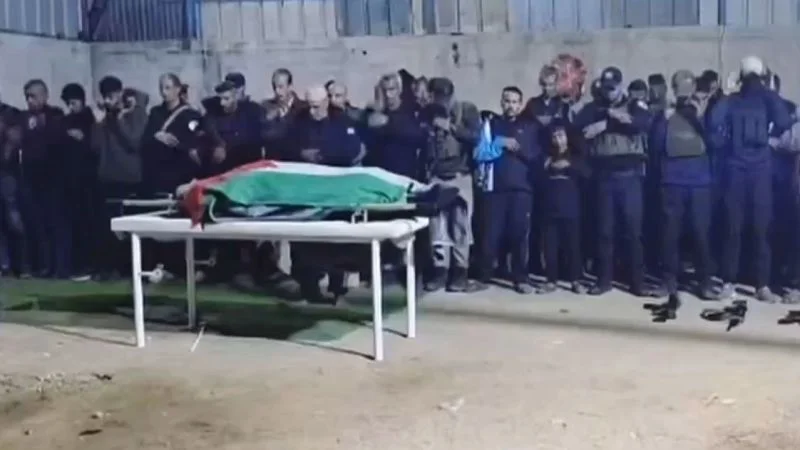
Post-war Gaza is witnessing a rise in small armed militias, some backed by Israel, vying for influence and challenging Hamas's control, leading to increased instability and potential for civil conflict in the territory.
Iraq's upcoming election is likely to maintain political stability but may result in militias retaining significant influence, as evidenced by militia posters and figures like Qais al-Khazali present near university campuses in Baghdad.
Iran-backed militias in Iraq are preparing for potential conflict with Israel, with Iranian officials warning of imminent attacks and emphasizing readiness for escalation. Despite recent limited strikes, these militias have supported Iran's stance against Israel and the US, and Iran is reportedly planning for further conflict, especially amid tensions over Iran's nuclear program and regional influence.
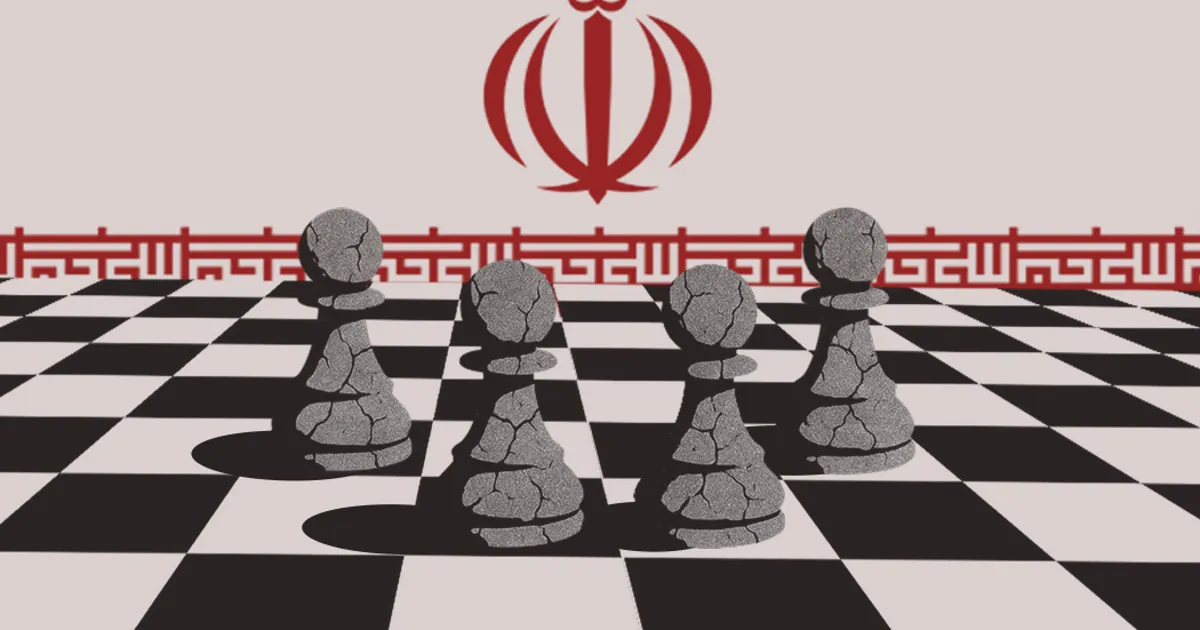
The Iranian 'Ring of Fire' around Israel, comprising militias and terror groups in Lebanon, Syria, Iraq, and Yemen, is weakening due to military setbacks and regional political changes, raising questions about its future threat level.
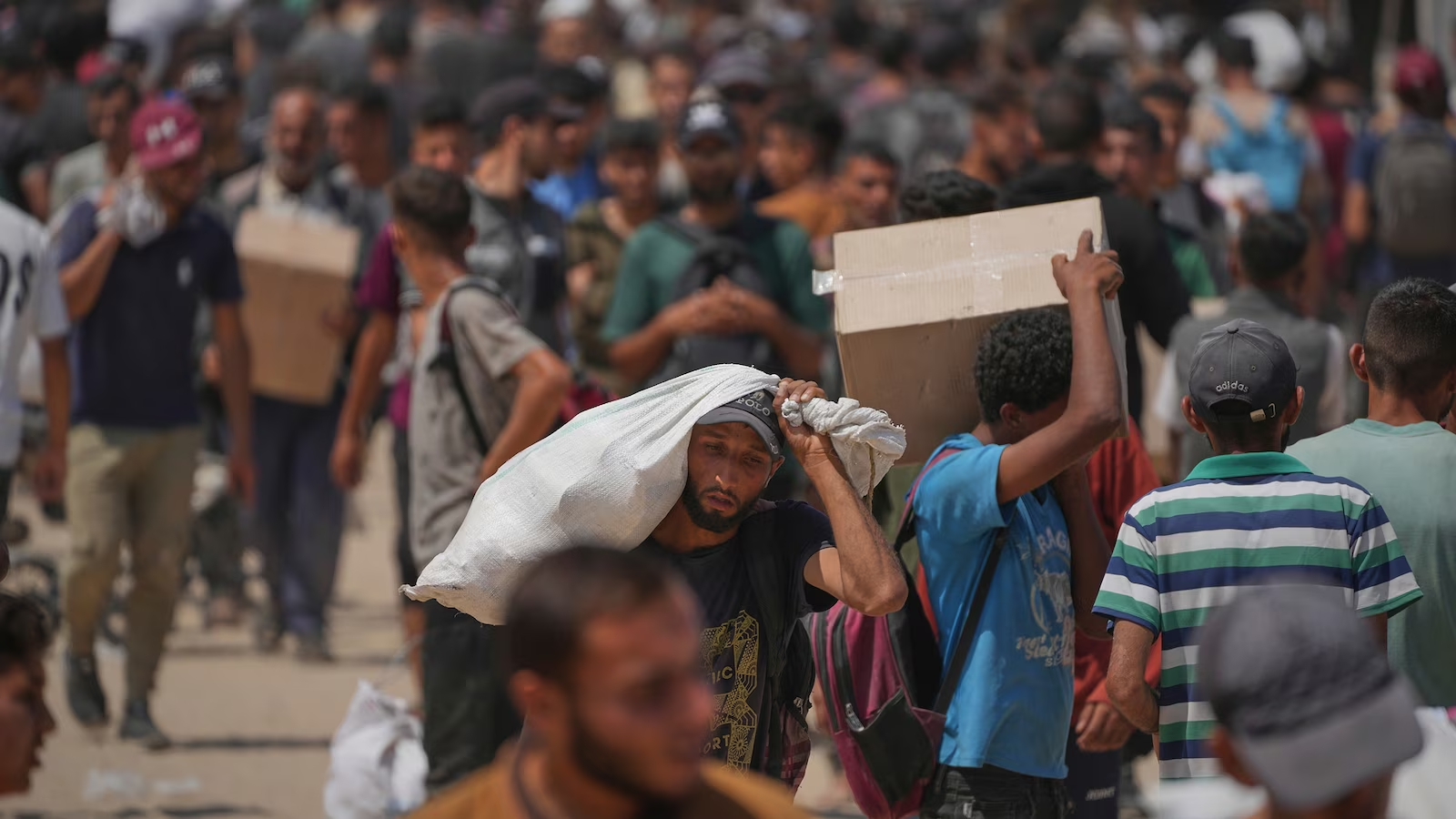
Israeli Prime Minister Benjamin Netanyahu confirmed that Israel is arming militias in southern Gaza opposed to Hamas, a move that has faced internal criticism and has impacted humanitarian aid efforts, including the suspension of aid distribution by the Gaza Humanitarian Foundation amid ongoing conflict and blockade.
Iranian-backed militias, including Iraq's Katiab Hezbollah and Fatemiyoun groups, have crossed from Iraq into Syria to support Syrian army forces in northern Syria. These reinforcements aim to bolster the Syrian army's efforts against insurgents, as reported by Syrian army sources.
Former President Donald Trump has announced plans for a large-scale roundup of immigrants, which has prompted militia groups to remain on alert but not actively engage. This development raises concerns about the potential for increased tensions and the role of non-governmental groups in immigration enforcement.
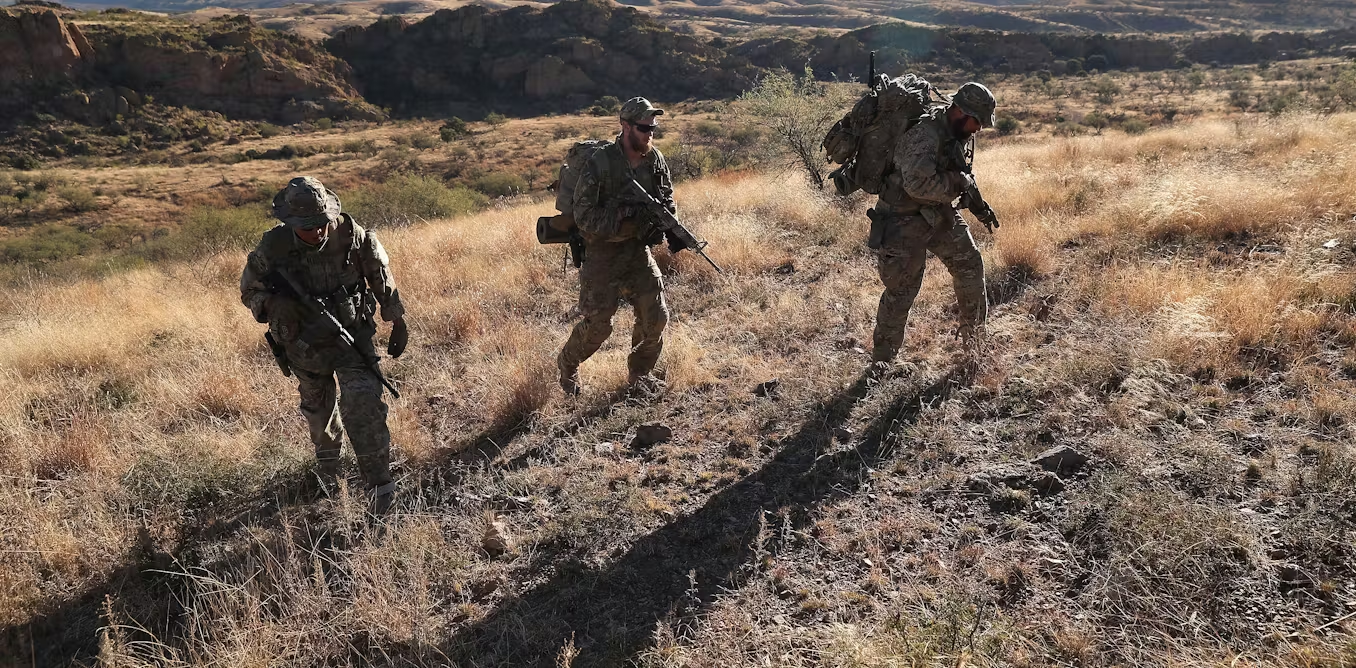
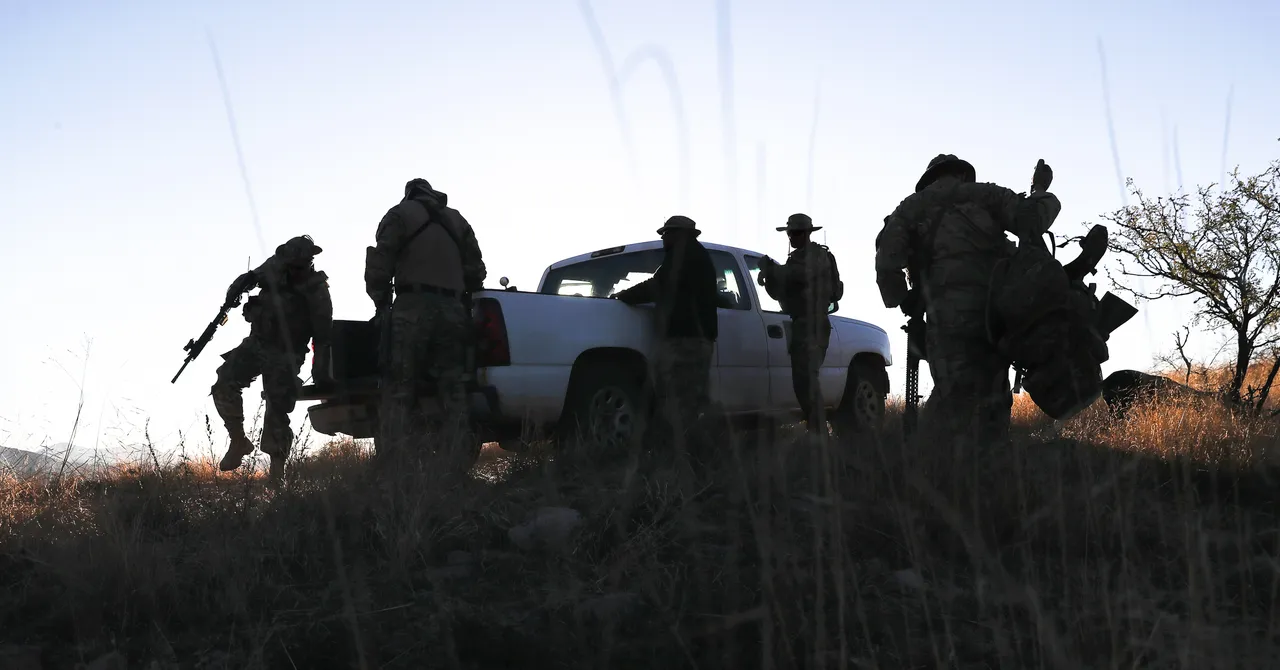
Militias along the US-Mexico border are preparing to assist with Donald Trump's proposed mass deportation plans, seeing themselves as potential allies to federal and military forces. Groups like Arizona Border Recon and Veterans on Patrol are ready to continue their vigilante activities, using high-tech surveillance and armed patrols. These groups, often operating with impunity, have a history of controversial actions and rhetoric, and some members hope to be officially deputized under Trump's administration to aid in enforcing hardline immigration policies.
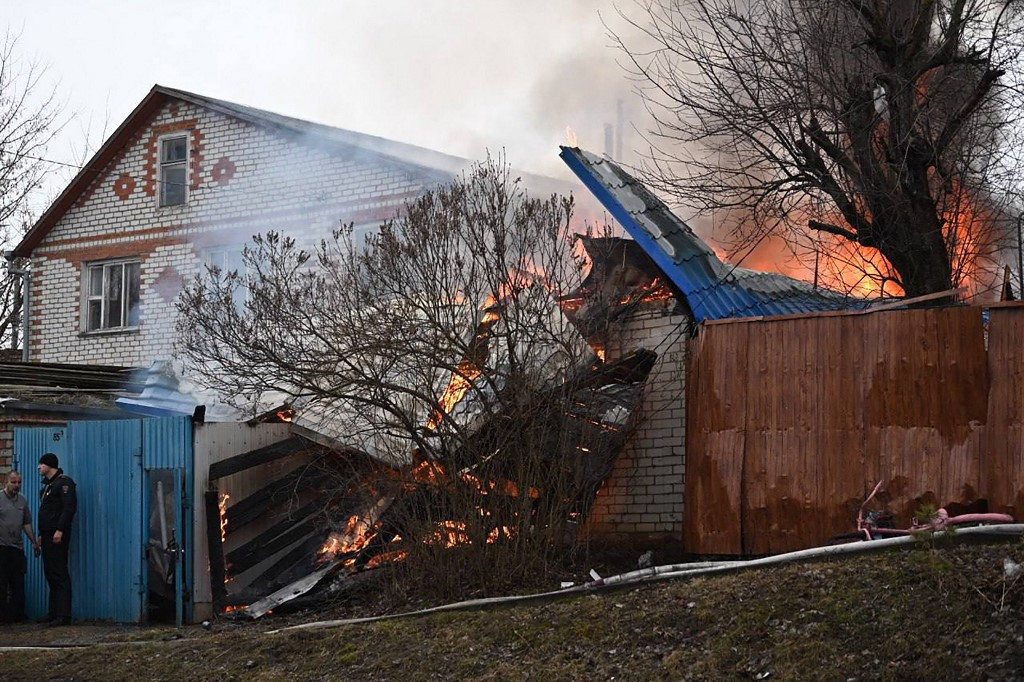
Roadblocks are being set up in Russia's Belgorod region, with restricted entry into border areas and plans for a "visiting procedure" for residential buildings due to intensified shelling. The regional authorities are distributing free food kits, waiving utility bills, and relocating 1,200 children to other regions. Intercepted conversations and social media posts indicate a significant number of residents evacuating, as the area resembles a front-line city with frequent explosions.
Five commanders of Iranian-backed militias, including a Hezbollah commander, were reportedly killed in an airstrike in Syria, with the Syrian Observatory for Human Rights reporting three explosions and the presence of unidentified aircraft in Dier-ez-Zor. Iran's militias in Syria have targeted Israeli and American forces, leading to ongoing conflict in the region, and recent reports indicate that Iran has reduced its deployment of Revolutionary Guards Corps officers in Syria due to Israeli strikes.