
US Weighs MOAB Strike on Iran Amid Midterm Pressure and Strategic Doubts
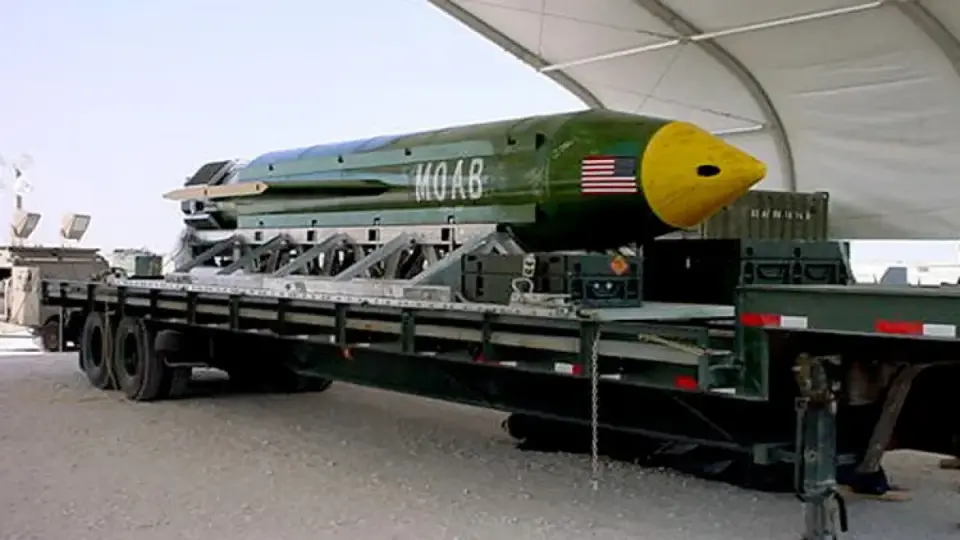
US military planners have developed options to deploy the GBU-43/B Massive Ordnance Air Blast (MOAB) against Iranian energy and nuclear sites if President Trump resumes combat operations. While the bomb offers a high-impact surface strike, experts and officials doubt its ability to destroy deeply buried targets like the Fordow complex or Pickaxe Mountain. The move is viewed by some as a political tool to signal victory before the November midterms, though it risks escalation without achieving strategic goals.
Key points
- US officials confirmed to CNN that strike plans include the MOAB, the largest non-nuclear bomb in the US arsenal, targeting Iranian infrastructure and nuclear facilities.
- The MOAB weighs 21,600 pounds and contains 8,500kg of explosives, designed for wide-area surface destruction rather than deep penetration.
- Military experts argue the bomb is ineffective against deeply buried Iranian nuclear sites, which require bunker-buster munitions like the GBU-57.
- Trump has publicly paused strikes until after the November 3 midterms but privately seeks a 'definitive' end to the war to avoid appearing defeated.
- Iranian officials warn of potential retaliation, including attacks on regional digital infrastructure and possible incursions into neighboring countries hosting US troops.
Background
This development follows months of stalled negotiations and intermittent strikes. In October, Netanyahu predicted Iranian regime collapse, while Iran warned of regional war. Earlier in 2026, Qatar described the conflict as an 'earthquake' for global stability. The US has previously used the MOAB only once, in 2017 against ISIS in Afghanistan, where it destroyed tunnels but faced questions over its necessity.
How outlets are covering it
CNN emphasizes the political motivation, noting Trump’s desire for a symbolic win before the midterms and the lack of a clear diplomatic off-ramp. Al Jazeera highlights military skepticism, with experts calling the MOAB 'political theatre' that fails to address deep underground targets. CNBC frames the situation through the lens of rising regional tensions, including Houthi attacks on Saudi Arabia and shipping disruptions in the Strait of Hormuz, while noting Tehran’s dual strategy of military defense and negotiation.
Why it matters
Deploying the MOAB could escalate the conflict without achieving strategic objectives, potentially triggering Iranian retaliation against regional allies. It also reflects the US administration’s struggle to balance military options with political pressures ahead of the midterms, where the war’s unpopularity poses a significant risk to Republican voters.
What to watch
Watch for any shift in Trump’s stance on strikes before November 3. Monitor Iranian military preparations, including fortification of nuclear sites and rhetoric regarding regional retaliation. Assess whether the US pursues a diplomatic resolution or opts for a symbolic strike to end the conflict.
- What is the ‘Mother of All Bombs’ US could use in Iran? Al Jazeera
- Exclusive: US considering using ‘mother of all bombs’ against Iran, sources say CNN
- U.S. reportedly considers use of 'mother of all bombs' as Iran vows to fight on CNBC
- US military weighs use of ‘mother of all bombs’ in potential future strikes on Iran, CNN says Reuters
- US Military Evaluates Using “Mother of All Bombs” Against Iranian Nuclear Sites IranWire
Want the full story? Read the original reporting
Read on Al Jazeera