
Vance’s Removal From Iran Talks Signals Shift to Economic Pressure Amid Strait of Hormuz Standoff
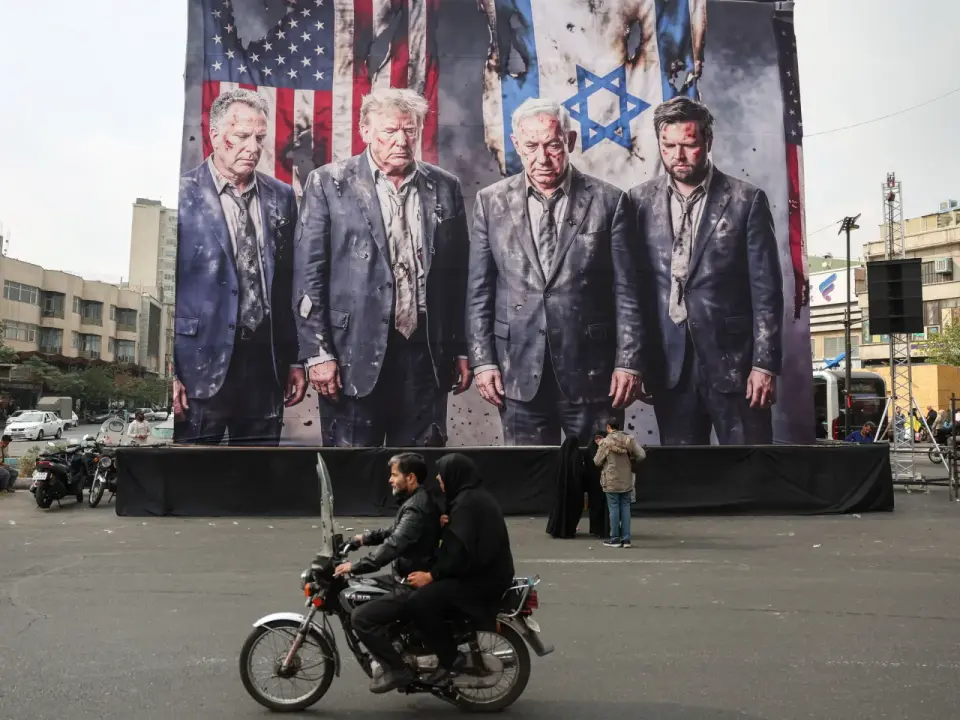
President Donald Trump has directed Vice President JD Vance to abandon negotiations with Iran, declaring that a deal is no longer a priority. This move follows Vance’s public attribution of the Republican midterm defeat to the war, shifting the administration’s focus toward domestic corruption investigations and intensified economic pressure rather than diplomatic resolution.
Key points
- Trump stated on Truth Social that Vance should focus on alleged Democratic corruption, asserting 'We don’t need a deal with Iran.'
- Vance, previously the lead negotiator for a brief June truce, blamed the war for the GOP’s sweeping midterm losses.
- Iranian officials reject the removal of enriched nuclear material, while the US maintains its blockade and sanctions.
- Maritime incidents in the Strait of Hormuz have increased, with the UK reporting 139 outbound and 169 inbound transits, down 65% from pre-conflict levels.
- Iran’s parliament speaker claims the US sought Russian mediation, a claim the White House did not directly confirm or deny.
Background
The US and Israel launched a war on Iran on February 28, 2026. A memorandum of understanding in June briefly paused hostilities and resumed shipping in the Strait of Hormuz, but the agreement collapsed. Vance had been viewed by Tehran as a pragmatic figure, but his recent public criticism of the war’s cost and his refusal to endorse Israeli Prime Minister Benjamin Netanyahu signaled a rift with the administration’s hardline stance.
How outlets are covering it
Al Jazeera and AP News emphasize that Vance’s removal reflects a strategic pivot toward economic coercion, with analysts noting that the US believes sanctions can force concessions regardless of diplomatic channels. The New York Times highlights the political ambiguity of Trump’s plan, questioning whether the administration intends to escalate military strikes or maintain the status quo. CBS News focuses on the escalating maritime violence and Iran’s refusal to compromise on nuclear material, noting that Iranian officials view the blockade as an act of war. While Al Jazeera suggests the move serves Israeli interests by removing a moderate voice, AP News notes that Vance’s potential 2028 presidential ambitions may be hindered by his public criticism of the war.
Why it matters
The sidelining of the primary US negotiator removes a key channel for de-escalation, increasing the risk of renewed military conflict. The continued blockade and maritime attacks threaten global energy supplies, while the deepening mistrust between Washington and Tehran makes a negotiated resolution unlikely in the near term.
What to watch
Analysts expect the US to maintain its economic pressure and sanctions regime. Iran may escalate attacks on shipping in the Strait of Hormuz if the blockade intensifies. The administration’s focus on domestic corruption investigations may distract from foreign policy, but Trump has indicated he is ready to resume strikes if diplomatic efforts fail.
- How does Iran view shift in US approach after JD Vance ordered away? Al Jazeera
- Trump Says He’s Pulling Vance Off Iran Talks to Focus on Fraud Campaign The New York Times
- Trump bluntly tells JD Vance to shift focus from Iran to targeting 'corruption and crime' at home AP News
- Trump says "we don't need a deal with Iran," as Tehran sticks to its demands CBS News
- Letters to the Editor: Trump is settling political scores instead of addressing actual issues Yahoo
Want the full story? Read the original reporting
Read on Al Jazeera