
Washington threatens to freeze Ukraine’s arms pipeline over refinery strikes
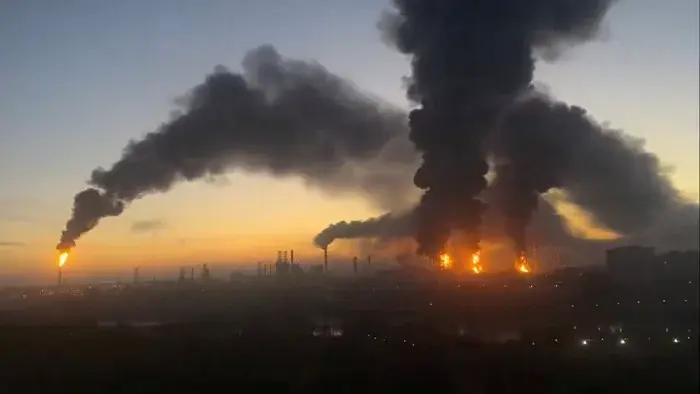
The US administration is pressuring Kyiv to halt deep strikes on Russian oil refineries by threatening to suspend the Prioritised Ukraine Requirements List (Purl) and intelligence sharing. This diplomatic push follows President Trump’s unilateral announcement of an 'energy ceasefire' on social media, a deal that Ukrainian officials deny exists. While the US seeks to stabilize global fuel prices through a new diesel agreement with Moscow, Kyiv maintains its strategy of degrading Russian refining capacity to undermine war funding.
Key points
- US officials contacted European capitals and Kyiv on Saturday and Sunday to demand an end to Ukrainian attacks on Russian energy infrastructure.
- Washington threatened to cut off intelligence sharing and block the Purl mechanism, a NATO-managed system for procuring US weapons for Ukraine.
- President Trump announced an immediate 'energy ceasefire' on Truth Social, claiming both Russia and Ukraine agreed to halt strikes on energy sites.
- The office of President Volodymyr Zelenskyy stated it was unaware of any such agreement, and it remains unclear if Moscow accepted the terms.
- The White House declined to confirm the diplomatic calls or comment on whether Trump would support Zelenskyy’s proposal for a 60-day total ceasefire to allow elections.
Background
This escalation follows a recent US-Russia deal for Moscow to release 300,000 metric tons of diesel to global markets, a move criticized by former US envoy Keith Kellogg as a concession to Moscow. Ukrainian strikes have reduced Russian refining capacity to a 20-year low, with some facilities idled by up to 50%. Kyiv has previously defied the diesel deal, prioritizing the degradation of Russian war-funding infrastructure over US diplomatic efforts to stabilize energy prices.
Why it matters
The threat to suspend Purl and intelligence sharing risks severing a critical lifeline for Ukraine’s defense capabilities. If the US enforces this pressure, it could force Kyiv to halt its most effective long-range campaign against Russian energy assets, potentially altering the strategic balance of the war and undermining European allies who fund the procurement mechanism.
What to watch
The immediate focus is on whether Kyiv will accept the US pressure to halt refinery strikes or continue its campaign despite the threat of losing Purl access. Additionally, observers will watch for any official confirmation or rejection of the 'energy ceasefire' by Moscow, as well as whether the White House will support Zelenskyy’s proposal for a 60-day total ceasefire.
Want the full story? Read the original reporting
Read on Financial Times